To avoid hypothermia while processing wet harvests, dress in layered, waterproof clothing, including hats and gloves, to stay warm and dry. Carry extra insulation like thermal blankets and recognize early signs of cold-related issues. Keep moving to generate body heat, and seek shelter if conditions worsen. Staying prepared and aware of your limits helps you work safely. If you want to know more about staying safe in cold, damp conditions, keep exploring these strategies.

Get garden gear delivered free — and shop member deals
- Fast, free delivery on millions of items
- Access to Prime Big Deal Days deals on October 6–7
- Prime Video, Amazon Music and more included
Key Takeaways
- Wear layered, moisture-wicking, waterproof clothing to stay dry and maintain body heat during wet harvest processing.
- Keep extra warm clothing or thermal blankets on hand for added insulation in cold, damp conditions.
- Recognize early signs of hypothermia, such as shivering or confusion, and take immediate action to seek shelter or warmth.
- Use hats, gloves, and insulated footwear to minimize heat loss from extremities in wet weather.
- Develop a safety plan and stay vigilant to ensure quick response and prevent hypothermia during cold, wet harvest work.
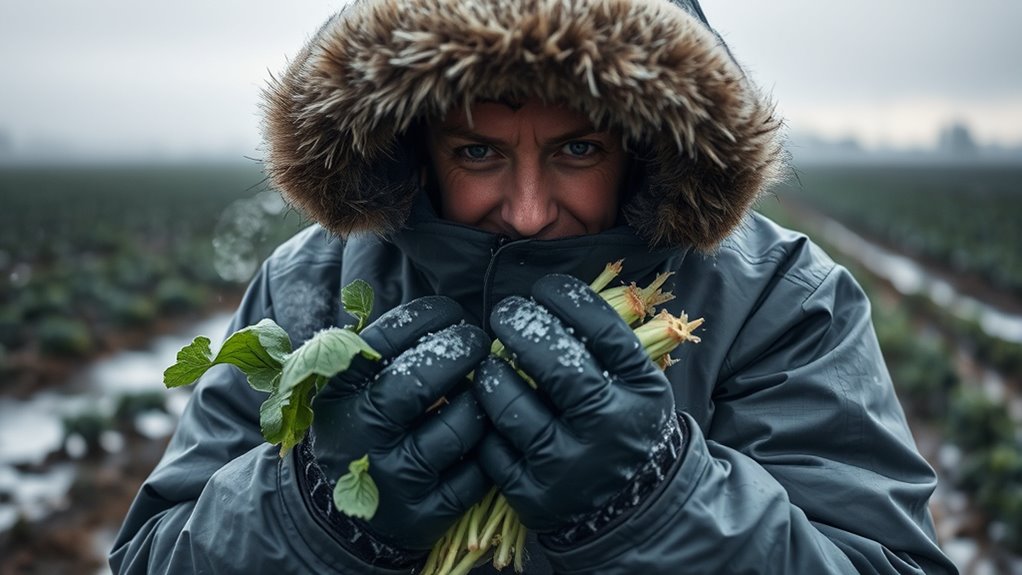
Processing wet harvests can be risky if you’re not careful, as exposure to cold and damp conditions increases the chance of hypothermia. When you’re out in the field or handling crops in wet weather, your body loses heat much faster than it can generate it, especially if you’re not dressed appropriately. The key to staying safe and maintaining your freedom is understanding how clothing insulation and emergency preparedness can make all the difference. Your clothing acts as a barrier, trapping body heat and preventing the cold from sapping your energy. Choose layers made from moisture-wicking and insulating materials, like wool or synthetic fibers, which keep sweat away from your skin and hold heat even when damp. Think of your clothing as a shield that grants you the resilience to push through adverse conditions without surrendering your comfort or safety.
Being prepared for emergencies isn’t just about packing a first-aid kit; it’s about mindset and planning. Always carry extra clothing or thermal blankets, especially when dealing with wet harvests, so you can quickly add insulation if conditions worsen. A waterproof outer layer can be your armor against wind and rain, helping to preserve your core warmth. It’s essential to recognize early signs of hypothermia—shivering, confusion, fatigue—and act swiftly to prevent escalation. Having a plan in place, like knowing the quickest way to seek shelter or summon help, empowers you to stay in control even when the weather turns against you. Additionally, understanding the importance of clothing insulation can significantly improve your ability to stay warm in such conditions.
Your ability to stay warm and dry hinges on your commitment to emergency preparedness. Think ahead about the conditions you’ll face and equip yourself accordingly. Use layered clothing that can be adjusted as needed, and don’t underestimate the power of a good hat and gloves—they’re your first line of defense. In the midst of processing wet harvests, your focus should be on maintaining your independence, not surrendering to the cold. By understanding the importance of clothing insulation and always having a safety plan, you can defy the risks and continue your work on your terms. When you’re equipped and ready, the cold becomes just another obstacle to overcome, not a barrier to your freedom.
waterproof thermal gloves for cold weather
As an affiliate, we earn on qualifying purchases.
As an affiliate, we earn on qualifying purchases.
Frequently Asked Questions
What Are Common Signs of Hypothermia During Harvest Processing?
You’ll notice hypothermia signs during harvest processing if you shiver uncontrollably or see your skin turn pale. These symptoms signal your body’s struggle to stay warm. Stay alert and detect early signs, so you can take quick action—seek warmth, dry off, and hydrate. Recognizing these cues helps you stay safe and keep moving freely, ensuring you’re not held back by cold or discomfort.
How Long Can Someone Safely Stay in Cold Wet Conditions?
Imagine slipping into icy waters; just as you’re pulled under, your time in cold, wet conditions is limited. Generally, you should not stay longer than 30-60 minutes without proper safety protocols. Your body’s defenses weaken quickly, risking hypothermia. To stay safe and free, monitor your duration carefully, wear insulated gear, and take regular warm-up breaks. Your safety depends on respecting these limits and acting swiftly when signs appear.
What Clothing Best Prevents Hypothermia in Wet Environments?
You should wear clothing with insulating layers and moisture-wicking fabrics to prevent hypothermia in wet environments. Insulating layers trap heat, keeping you warm, while moisture-wicking fabrics draw sweat away from your skin, maintaining dryness. Choose waterproof, breathable outer layers for maximum protection. With this gear, you stay active, confident, and free to tackle your task without fear of the cold’s grip, embracing the freedom to work comfortably and safely.
Are There Specific First Aid Steps for Hypothermia Prevention?
You should prioritize first aid training to recognize early signs of hypothermia and act quickly. Always have cold weather gear ready, like insulated layers and waterproof clothing, to prevent heat loss. If someone shows symptoms, move them to a warm place, remove wet clothes, and provide warm, dry blankets or hot drinks if possible. Your quick response can save lives and keep you free to work safely in harsh conditions.
How Can Harvest Timing Impact Hypothermia Risk?
Imagine working late into a chilly evening, trying to finish harvest before a sudden rainstorm. Harvest scheduling can considerably impact hypothermia risk; if you time it during warmer parts of the day and monitor environmental conditions closely, you’ll stay safer. By planning around weather patterns and adjusting your schedule accordingly, you reduce exposure to cold, wet conditions, freeing yourself from unnecessary danger and ensuring a safer, more efficient harvest.
Conclusion
Remember, staying warm isn’t just about comfort—it’s about safety. When you process wet harvests, your body’s ability to generate heat is vital. Some believe that mental resilience can override physical risks, but reality shows that proper precautions are essential. Think of hypothermia as a silent thief—if you ignore the signs, it can steal your strength without warning. Stay vigilant, dress appropriately, and trust that careful preparation keeps you safe and thriving through every harvest.
Fall yard work Picks
leaf blowers
As an affiliate, we earn on qualifying purchases.