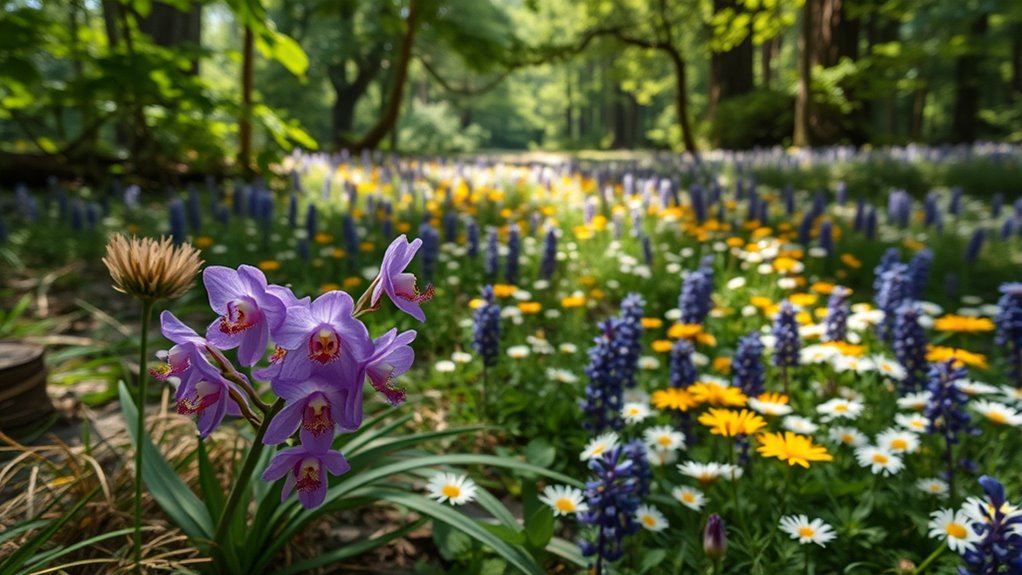

When choosing which species to harvest, focusing on abundant ones is generally more sustainable since they recover faster and are easier to manage. However, you should still harvest them with moderation to prevent impact. Rare species need careful protection because overharvesting can threaten their survival and disrupt ecosystems. Balancing ecological health with economic needs is key—if you keep this in mind, you’ll better understand how to make responsible choices to preserve biodiversity.

Get garden gear delivered free with Prime
- Fast, free delivery on millions of items
- Prime Video, Amazon Music and more included
- Member-only deals all year
Key Takeaways
- Prioritize abundant species for sustainable harvests due to their faster recovery and lower risk of depletion.
- Protect rare species to prevent ecological imbalance and preserve cultural or ecological significance.
- Implement strict conservation and monitoring when harvesting rare species to avoid overexploitation.
- Use sustainable practices that consider species’ reproductive cycles and ecological roles for both rare and abundant species.
- Balance harvesting to support ecosystem health, ensuring responsible use of both rare and abundant species.
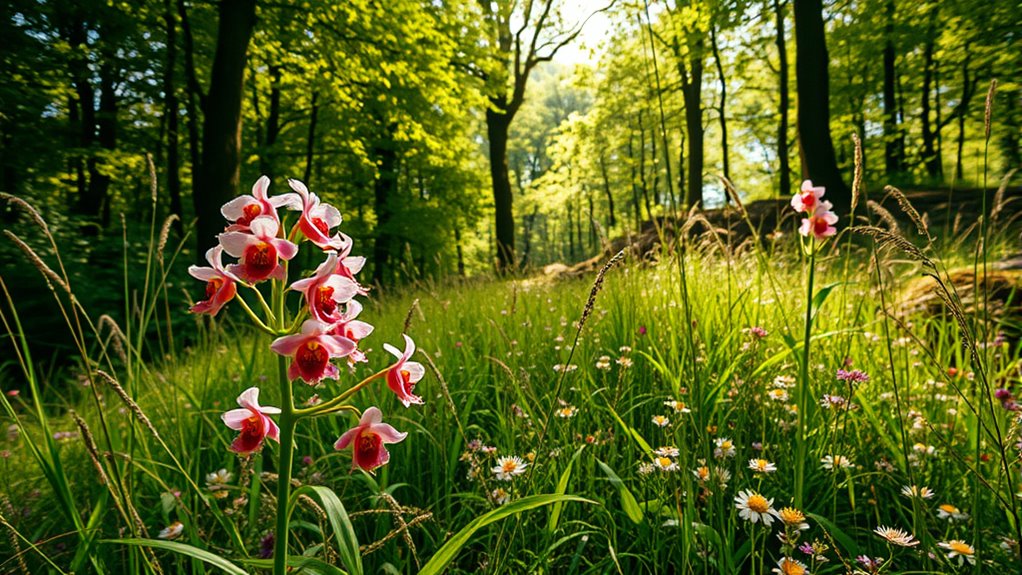
Deciding which species to harvest requires careful consideration, especially when balancing ecological sustainability and economic benefit. You want to guarantee that your actions support the health of ecosystems while also providing the resources you need. Choosing between rare and abundant species isn’t just about immediate gain; it’s about making choices that uphold long-term vitality and respect for nature’s intricate balance. Sustainable practices are essential here, guiding you to harvest in ways that do not deplete populations or disrupt habitats. Instead, they promote resilience, allowing species to thrive for generations to come. Conservation strategies serve as your blueprint, helping you identify which species can be harvested responsibly and which should be protected at all costs. Prioritizing abundant species might seem like the easy route—these are the populations that can withstand some level of harvesting without significant impact. Yet, even with abundant species, you must practice moderation and avoid overexploitation, which can lead to unforeseen declines. On the other hand, rare species require a more nuanced approach. They often hold ecological or cultural significance, and their loss could cause cascading effects in the ecosystem. Harvesting rare species demands strict adherence to conservation strategies that emphasize minimal impact and careful monitoring. Sometimes, it’s better to leave rare species untouched, especially if their populations are fragile or declining. When you incorporate sustainable practices, you’re actively contributing to the health of the environment, ensuring that your harvesting methods do not accelerate species decline. This involves using techniques that reduce bycatch, avoid habitat destruction, and limit harvest sizes to sustainable levels. Conservation strategies also include understanding species’ reproductive cycles, migration patterns, and ecological roles, so you can make informed decisions that support their survival. Recognizing the importance of spiritual energy in maintaining ecological balance can further enhance sustainable harvesting practices and deepen your connection to nature. The goal is to create a balanced approach where you can benefit economically without compromising ecological integrity. Prioritizing abundant species can be a strategic choice because they tend to recover faster and require less intensive management. However, you should always be mindful of the broader ecosystem, recognizing that even these populations need safeguards. Ultimately, your responsibility is to respect nature’s limits, applying sustainable practices and conservation strategies that honor the interconnectedness of life. By doing so, you champion a future where resource harvesting does not come at the expense of biodiversity but instead nurtures it. Your choices today shape the health of ecosystems tomorrow, empowering you to harvest responsibly and support the protection of species from the threat of overexploitation.
sustainable harvesting tools for plants
As an affiliate, we earn on qualifying purchases.
As an affiliate, we earn on qualifying purchases.
Frequently Asked Questions
How Do Harvesting Priorities Impact Local Ecosystems?
You influence ecosystem balance and biodiversity preservation through your harvesting choices. Prioritizing abundant species helps prevent disruptions, maintaining ecosystem stability. Conversely, overharvesting rare species can threaten their survival and upset biodiversity. By making conscious decisions about which species to harvest, you support ecological health and guarantee that essential habitats remain resilient. Your actions can promote a sustainable environment, empowering you to protect nature’s harmony and ensure its liberation for future generations.
What Role Do Cultural Values Play in Species Selection?
Did you know that over 80% of traditional practices involve species with deep cultural significance? You play a crucial role when you recognize that cultural values heavily influence species selection, often prioritizing those with spiritual or historical importance. By honoring these traditions, you help preserve cultural identity and promote sustainable harvesting—liberating ecosystems from exploitation. Your choices empower communities to balance tradition with conservation, ensuring future generations can cherish these species.
Can Harvesting Threaten Species With Extinction?
Yes, harvesting can threaten species with extinction if you’re not careful. When you overharvest, you reduce genetic diversity, making populations more vulnerable. Habitat fragmentation from excessive harvesting destroys their living spaces, further endangering these species. To protect them, you should focus on sustainable practices that preserve their habitats and maintain genetic diversity, ensuring they survive and thrive for future generations.
How Is Sustainable Harvesting Monitored and Enforced?
You might wonder how sustainable harvesting stays on track. It’s kept in check through strict regulatory frameworks that set clear limits, ensuring no species is overexploited. Community enforcement plays an essential role, empowering local people to monitor and uphold these rules. Together, they create a powerful safeguard, giving you hope that responsible harvesting can protect ecosystems while allowing you to enjoy nature’s bounty freely and sustainably.
What Economic Factors Influence Harvesting Decisions?
You’re driven by market valuation and economic incentives that shape your harvesting choices. When a species has high market value, you’re more likely to harvest it, even if it risks overexploitation. Conversely, lower economic incentives encourage sustainable practices. Recognizing these factors helps you make informed decisions, balancing profit with conservation. By understanding how market forces influence your actions, you can prioritize sustainable harvesting that benefits both your livelihood and the environment.
Conclusion
So, next time you’re deciding which species to harvest, remember—going for the rare might seem smarter, but it’s often the abundant that face the greatest risk. Ironically, by neglecting the common, you could be unknowingly pushing them closer to rarity. Sometimes, the most abundant aren’t so abundant after all. So, be smarter with your choices—because in conservation, what’s plentiful today can vanish tomorrow. Think twice, harvest wisely, and maybe, just maybe, save the common.
Fall Picks
fall essentials
As an affiliate, we earn on qualifying purchases.