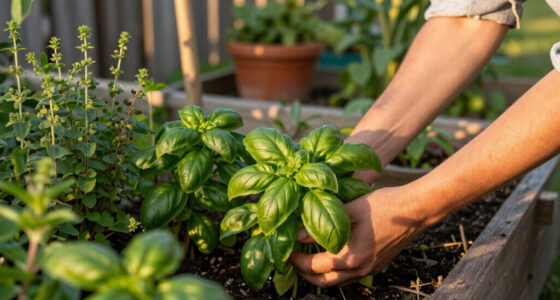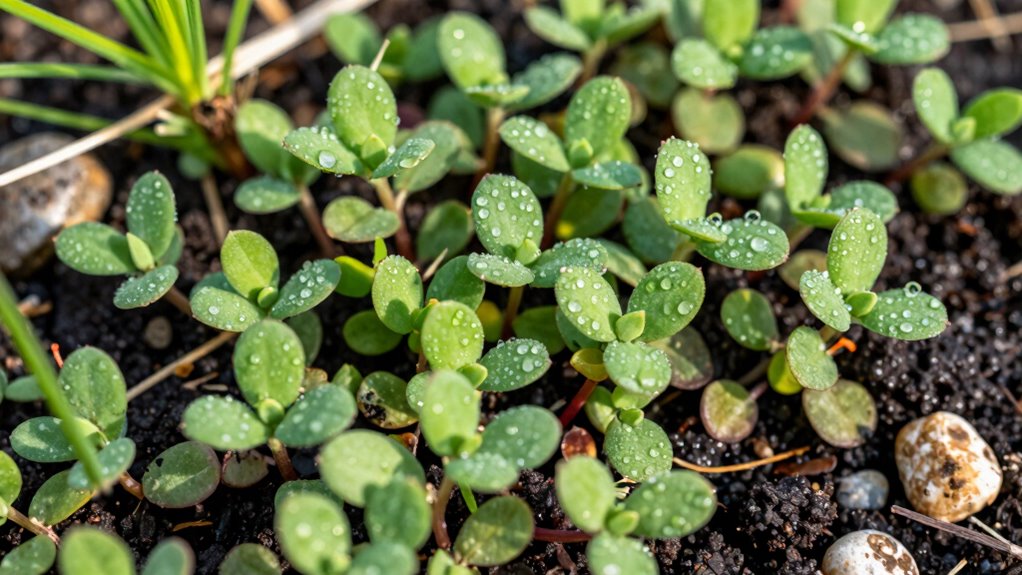

Purslane teaches you that wild foods can be incredibly nutrient-dense and easy to access. It’s rich in omega-3 fatty acids, antioxidants, and vitamins A, C, and E, making it a powerful addition to your diet. By learning to identify and harvest purslane responsibly, you discover how wild plants can boost your nutrition effortlessly. Keep exploring, and you’ll uncover even more about the health benefits and flavors of wild, nutrient-rich foods like purslane.

Get garden gear delivered free with Prime
- Fast, free delivery on millions of items
- Prime Video, Amazon Music and more included
- Member-only deals all year
Key Takeaways
- Purslane exemplifies how wild foods can be highly nutrient-dense, offering essential fatty acids, vitamins, and antioxidants.
- Identifying and harvesting purslane responsibly ensures sustainable access to potent wild superfoods.
- Its versatility in culinary applications highlights the nutritional benefits of incorporating wild plants into everyday diets.
- Foraging purslane fosters a deeper connection to nature and promotes sustainable, eco-friendly food practices.
- Learning about purslane’s health benefits reveals the value of wild foods in enhancing overall nutrition and diet diversity.
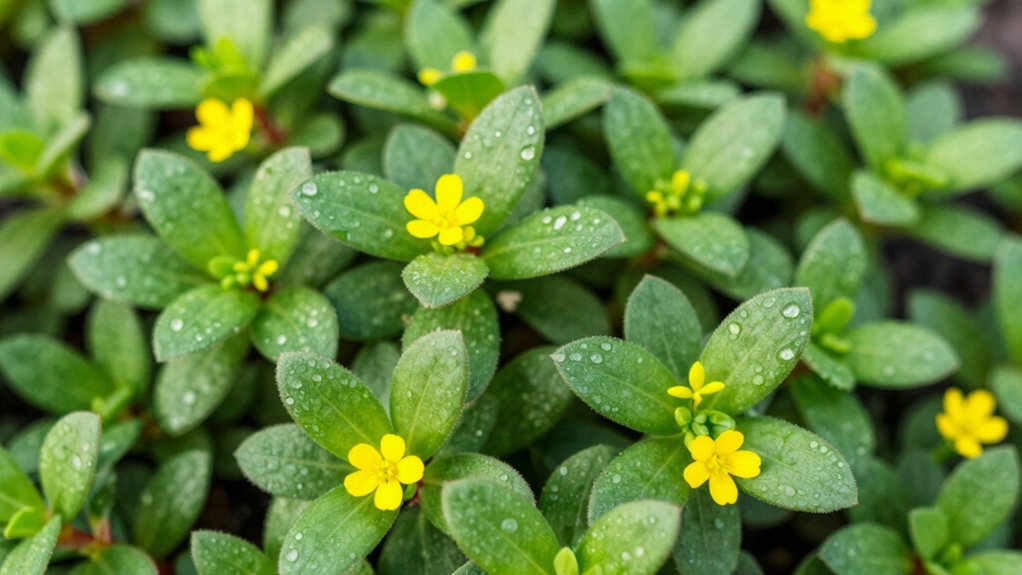
Many wild foods, like purslane, offer remarkable nutritional benefits that often go unnoticed in daily diets. When you start exploring these edible plants, you quickly realize how much nature provides beyond what’s found in grocery stores. Purslane, in particular, is a standout because of its high omega-3 fatty acids, antioxidants, and vitamins A, C, and E. It’s a resilient plant you can find growing in cracks in sidewalks or along garden beds, making it accessible for foragers willing to look closely. Learning foraging tips is essential when collecting purslane, as it helps you identify the right plants and avoid confusion with other species that might be unsafe to eat. Always double-check plant identification, and if you’re new to foraging, consider consulting field guides or experienced foragers.
Once you’ve confidently identified purslane, you can experiment with its culinary uses. Its slightly sour, peppery flavor pairs well with salads, adding a fresh, tangy dimension. You can also blend it into smoothies for a nutrient boost or sauté it lightly with garlic and olive oil as a side dish. Its crunchy texture remains appealing whether raw or cooked, making it a versatile addition to many recipes. Because purslane is so rich in nutrients, incorporating it into your meals can help improve your overall diet without much effort. It’s a perfect example of how wild foods can seamlessly fit into modern cooking.
Understanding what purslane can teach you about nutrient-dense wild foods extends beyond just one plant. It encourages you to pay attention to your environment and recognize the edible plants around you. Foraging tips emphasize sustainability—harvesting responsibly by taking only what you need and leaving enough for the plants to regenerate. This approach guarantees that wild foods remain available for future foragers and helps maintain ecological balance. As you become more comfortable with foraging, you’ll notice that many wild plants have unique flavors and health benefits that surpass some cultivated vegetables. Purslane, with its impressive nutrient profile, exemplifies how wild foods can contribute to a well-rounded, nourishing diet.
Incorporating wild foods like purslane into your routine not only diversifies your diet but also deepens your connection to nature. As you learn to identify, harvest, and cook these plants, you gain insight into their role in traditional diets and sustainable living. Purslane teaches you that nature’s pantry is abundant and accessible, waiting for those willing to look closely and forage responsibly. By doing so, you *access* a wealth of nutrients and flavors that can enrich your meals and support your health, all while fostering a respectful relationship with the environment.
As an affiliate, we earn on qualifying purchases.
Frequently Asked Questions
How Do I Identify Purslane in the Wild Safely?
To identify purslane safely, focus on edible plant identification by looking for its distinctive, smooth, reddish stems and thick, succulent leaves. It grows close to the ground in clusters, often in sunny, disturbed areas like gardens or sidewalks. Use wild foraging tips: double-check the plant’s appearance and avoid any with slimy textures or unusual colors. Always verify with multiple sources before consuming any wild plants to guarantee safety.
Can Purslane Be Cultivated at Home Easily?
Growing purslane at home is like planting a resilient weed—it’s easy! You just need well-draining soil and minimal garden maintenance. Purslane thrives in various soil types, but loosened, sandy or loamy soil with good drainage works best. Keep it in a sunny spot, water sparingly, and you’ll soon have a nutrient-dense crop. It’s low-maintenance, making it perfect for busy gardeners wanting fresh greens.
Are There Any Health Risks Associated With Eating Wild Purslane?
Eating wild purslane can pose health risks if you’re not careful. You should be aware of toxic look-alikes that resemble purslane, which can be harmful if mistaken for edible plants. Additionally, wild purslane might carry pesticide contamination from polluted areas, so always harvest from clean, safe locations. Proper identification and cautious harvesting help you enjoy its nutrient benefits without risking your health.
How Does Purslane Compare Nutritionally to Other Wild Greens?
Like a treasure chest bursting with surprises, purslane stands out among wild greens. It offers remarkable nutritional benefits, including omega-3 fatty acids, vitamins A and C, and antioxidants. Compared to other wild greens, purslane is uniquely nutrient-dense, often surpassing them in essential nutrients. Its high water and mineral content make it a hydrating, health-boosting choice, making it a valuable addition to your foraged wild green comparison.
What Are the Best Seasons to Harvest Purslane?
You should harvest purslane during its peak growing seasons, typically in spring and early summer, when it’s most abundant and tender. This timing is ideal for seasonal foraging, ensuring you get the freshest greens. Practice sustainable harvesting by picking only what you need and leaving enough behind, allowing the plant to thrive. Collect purslane in areas free of pollutants, and avoid overharvesting to protect its natural populations.
Conclusion
Next time you spot purslane in your garden or on a walk, remember it’s more than just a weed—it’s a nutrient powerhouse. As you brush past wild greens, imagine them as hidden treasures waiting to nourish you, much like purslane’s vibrant leaves that seem to whisper, “Here’s nature’s bounty.” Embrace these wild foods, and you’ll discover that sometimes, the most overlooked plants hold the key to vibrant health, just as purslane quietly teaches.
Fall Picks
fall essentials
As an affiliate, we earn on qualifying purchases.