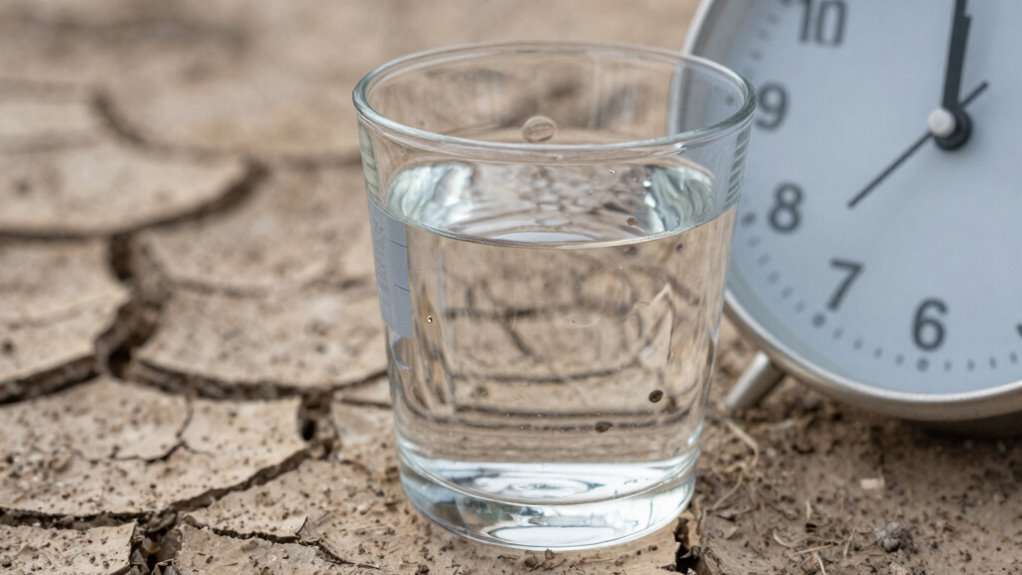

In the first 72 hours, water is more critical than food because your body needs it to stay properly hydrated and functional. Without water, dehydration can set in quickly, impairing brain function, weakening muscles, and risking heat-related illnesses. Your body can survive longer without food, but losing water affects essential organ functions immediately. Prioritizing water keeps you alert, keeps your body temperature in check, and increases your chances of survival—so stay tuned to learn how to secure safe water sources efficiently.
Key Takeaways
- The body can survive longer without food than without water, making hydration critical initially.
- Water is essential for maintaining blood circulation and organ function, vital for survival.
- Dehydration can develop within days, impairing mental and physical abilities.
- Drinking small sips prevents rapid dehydration and conserves water resources.
- Prioritizing water ensures health, mental clarity, and increases chances of rescue.
When disaster strikes or you’re stranded in an emergency situation, understanding what to prioritize during the first 72 hours can be lifesaving. Among the most critical needs are water and food, but in the initial days, water takes precedence. Your body depends heavily on hydration to function properly, especially when stress, physical exertion, and exposure to the elements increase your body’s demands. The importance of hydration during survival strategies cannot be overstated—you can survive longer without food than without water. While food provides energy, water sustains your essential organ functions, keeps your blood circulating, and helps regulate body temperature.
Dehydration begins quickly without adequate water intake, often within just a couple of days. When you’re dehydrated, your body struggles to perform essential processes; your brain function diminishes, you become weak, and your risk of heat exhaustion or heat stroke rises if you’re exposed to hot environments. This is why securing a clean, reliable water source should be your top priority during the first 72 hours. Drinking small, frequent sips of water helps your body adapt better, preventing dehydration from setting in too rapidly. If you don’t have access to clean water, knowing how to purify or find alternative sources becomes a core survival strategy. Additionally, understanding the role of water quality in maintaining health can make a significant difference in your recovery. Ensuring access to safe drinking water is crucial, as contaminated sources can cause illness and further complicate survival efforts. Recognizing water contamination risks and how to mitigate them enhances your chances of staying healthy in emergencies. Moreover, being aware of water purification methods can greatly improve your ability to access safe drinking water when supplies are scarce.
Secure a reliable water source and use small sips to prevent dehydration during emergencies.
In addition, conserving water and storage techniques can be vital in prolonging your hydration in situations where supplies are limited. Hunger pangs might be uncomfortable, but they are less immediately dangerous than dehydration. When you focus on survival strategies, you’ll find that rationing your food intake is less critical than ensuring consistent hydration. During the first 72 hours, your goal should be to consume enough water to stay hydrated, rather than worrying about meals.
Your body’s need for water outweighs the need for food in these critical initial days. Prioritizing hydration means you’re supporting your organs, preventing dehydration, and giving yourself the best chance of maintaining strength and mental clarity. This isn’t the time to worry about rationing food—your body can survive longer without it than without water. Effective survival strategies include finding, purifying, and conserving water. Keeping yourself hydrated buys you time, preserves your physical and mental capacity, and ultimately enhances your chances of rescue or overcoming the emergency situation.
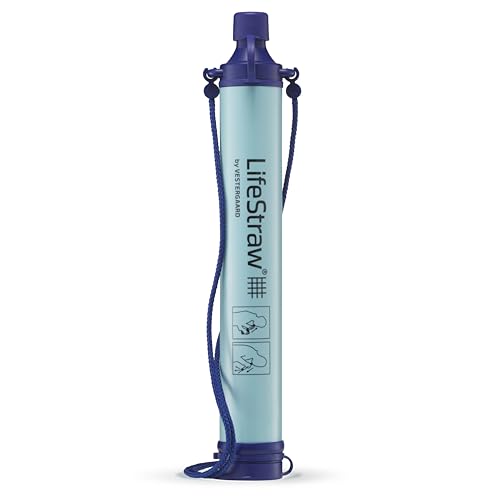
LifeStraw Personal — Water Filter for Hiking, Camping, Travel, and Emergency Preparedness, 1 Pack, Blue
- Bacteria & Parasite Removal: Eliminates 99.999999% bacteria and 99.999% parasites
- Microplastic Filtration: Filters microplastics down to 1 micron
- Turbidity Reduction: Reduces turbidity to 0.2 microns
As an affiliate, we earn on qualifying purchases.
As an affiliate, we earn on qualifying purchases.
Frequently Asked Questions
How Does Dehydration Affect Mental Clarity During Emergencies?
Dehydration considerably impacts your mental clarity during emergencies by impairing hydration psychology, which directly influences mental performance. When you’re dehydrated, your brain struggles to function ideally, leading to confusion, poor decision-making, and slower reaction times. Staying hydrated helps maintain focus, sharpens thinking, and supports calm, effective responses. In emergencies, water keeps your mind alert and your decision-making sharp, making it essential for your safety and well-being.
Can Water Intake Influence Survival Time Without Food?
Think of water as your survival engine—without it, your chances fade quickly like a flickering flame. Drinking enough can extend your time without food by preventing dehydration and keeping your organs functioning. Contrary to hydration myths, water conservation is key; sip steadily instead of gulping. Staying hydrated boosts your resilience, buying you precious hours while you seek help or find food, making water a lifeline in emergencies.
What Are Signs of Dehydration in the First 72 Hours?
In the first 72 hours without water, signs of dehydration include dry mouth, dark urine, and dizziness. You may also experience fatigue and headaches, indicating your electrolyte balance is off. To prevent worsening dehydration, apply hydration strategies like sipping small amounts of water frequently. Recognizing these early signs helps you act quickly, ensuring your body maintains essential hydration and electrolyte levels during this critical period.
How Much Water Is Recommended Daily During Emergencies?
You need about a gallon of water daily during emergencies to stay safe. Don’t rely solely on untreated sources; prioritize water purification methods like boiling or filtering. Staying hydrated is essential—use hydration strategies such as drinking small amounts frequently. Proper water intake prevents dehydration symptoms, helping you maintain strength and alertness. Remember, water’s importance surpasses food in critical moments, so make every drop count for your survival.
Does Water Quality Impact Survival Chances?
Yes, water quality substantially impacts your survival chances. Contaminant exposure from polluted water can cause illness or dehydration, weakening your body further. Using water filtration methods helps remove harmful pathogens and chemicals, making water safer to drink. By ensuring good water quality, you reduce health risks and increase your chances of staying healthy and hydrated during emergencies, which is essential in the vital first 72 hours.
Conclusion
In those essential first 72 hours, water is your lifeline, more critical than food, acting like the steady anchor in a storm. Without water, your body can’t function or heal, turning you into a fragile vessel adrift. Think of water as the silent hero, quietly supporting every cell and keeping you afloat. Prioritize hydration now, and you’ll strengthen your resilience, making it easier to navigate the rough waters ahead.