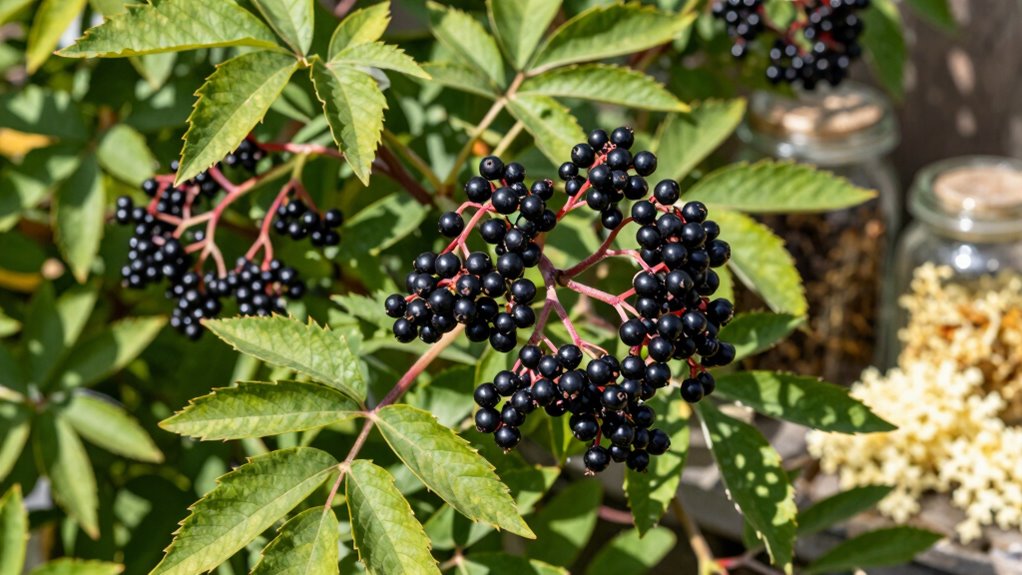

Elderberry continues to be essential in modern herbal traditions because of its rich history of natural healing, cultural significance, and proven health benefits. You’ll find it valued for supporting your immune system, especially during cold and flu season, thanks to its antioxidants. Its sacred roots and folklore add depth to its use, connecting past with present. If you want to explore how this ancient remedy still plays a crucial role today, there’s more to discover below.

Get garden gear delivered free with Prime
- Fast, free delivery on millions of items
- Prime Video, Amazon Music and more included
- Member-only deals all year
Key Takeaways
- Elderberry’s immune-boosting antioxidants remain valued in contemporary herbal remedies for cold and flu prevention.
- Its easy cultivation allows modern gardeners to integrate elderberries into sustainable, functional garden designs.
- Traditional folklore and spiritual significance continue to influence herbal practices and cultural rituals today.
- Elderberry’s historical symbolism of protection and life enhances its cultural relevance in herbal traditions.
- The plant’s versatile use in teas, syrups, and tinctures connects modern health benefits with centuries-old practices.
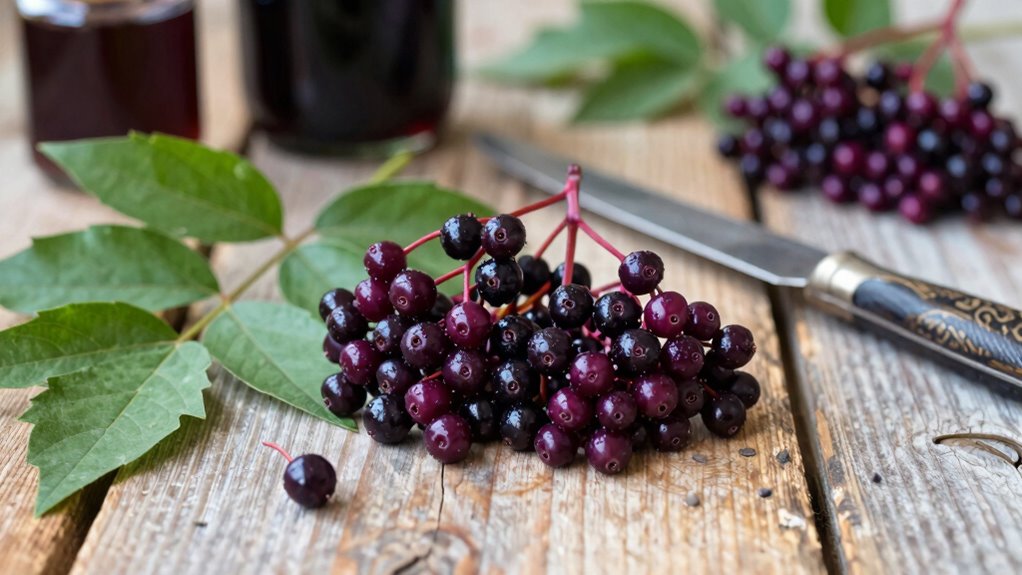
Elderberry has long held a special place in herbal traditions around the world, valued for its immune-boosting properties and versatility. You might be surprised to learn that cultivating elderberries isn’t complicated; with a bit of knowledge about elderberry cultivation, you can grow these shrubs in your garden to enjoy their benefits firsthand. Elderberries thrive in well-drained soil and full sun, making them accessible for many home gardeners. Once established, they produce abundant clusters of dark purple berries, ready for harvesting in late summer. The process is straightforward, and with proper care, you can ensure a healthy crop each year, giving you fresh ingredients for teas, syrups, or medicinal tinctures. Additionally, understanding the landscaping techniques used to incorporate elderberries into your yard can help create a beautiful and functional outdoor space.
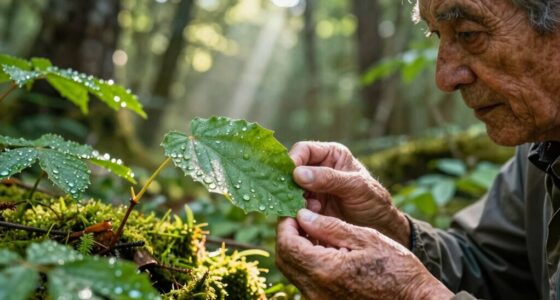
Throughout history, elderberry folklore has woven stories that highlight its significance beyond just its practical uses. In many cultures, elder trees are considered sacred, believed to be gateways between worlds or protectors against evil spirits. For example, in European traditions, the elder tree was often called the “Tree of Life,” and its branches were used in rituals meant to ward off misfortune. These stories reinforce the idea that elderberry isn’t merely a plant but a symbol of life, protection, and spiritual connection. Such folklore also often mentions the importance of respecting the elder tree, emphasizing that it should be harvested carefully and with gratitude, which still influences how herbalists and foragers approach elderberry today.
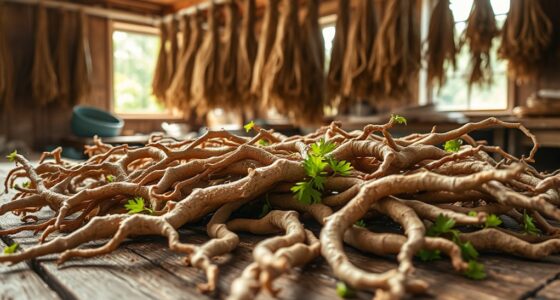
In modern herbal practices, elderberry continues to hold relevance because of its well-documented health benefits. Its berries contain antioxidants like flavonoids, which support your immune system, especially during cold and flu season. You might find elderberry syrup or teas in natural health stores, but understanding elderberry folklore can deepen your appreciation for this plant. It’s not just about the physical health benefits; it’s about connecting with centuries of tradition that see elderberry as a gift from nature, deserving respect and mindful use.
elderberry syrup for immune support
As an affiliate, we earn on qualifying purchases.
As an affiliate, we earn on qualifying purchases.
Frequently Asked Questions
Can Elderberry Be Used to Treat Chronic Illnesses?
Yes, elderberry can help support chronic illnesses by boosting your immune system and aiding in detoxification. You might notice that elderberry immune benefits help your body fight off persistent infections, while elderberry detox supports your body’s natural cleansing processes. Though it’s not a cure, incorporating elderberry into your routine can complement your treatment plan, offering natural support for long-term health challenges. Always consult your healthcare provider for personalized advice.
Are There Any Side Effects From Elderberry Consumption?
Yes, there are some side effects from elderberry consumption. You should watch out for elderberry toxicity, especially if you consume unripe berries or parts of the plant, which can cause nausea, vomiting, or diarrhea. Allergic reactions are also possible, leading to skin rashes or breathing issues. To stay safe, always use properly prepared elderberry products and consult a healthcare professional if you experience any adverse effects.
How Does Elderberry Compare to Pharmaceutical Remedies?
Elderberry acts like a natural shield, often rivaling pharmaceutical remedies in fighting colds and boosting immunity. While pharmaceuticals target symptoms, elderberry cultivation and culinary uses harness its antiviral properties naturally. Unlike synthetic medicines, elderberries provide a gentle, holistic approach, making them a versatile addition to your wellness routine. You get the benefits of herbal wisdom, combined with delicious elderberry culinary uses, for a more balanced, nature-driven health boost.
Is Elderberry Safe for Children and Pregnant Women?
Elderberry is generally safe for children and pregnant women when used properly, but you should exercise caution. For child safety, always follow appropriate dosage guidelines and consult a healthcare provider. Pregnancy considerations are important; avoid raw elderberries and untested extracts, as they may cause adverse effects. It’s best to use elderberry supplements that are specifically formulated for pregnancy and children, and always check with a healthcare professional before use.
What Are the Best Methods to Harvest Elderberries Sustainably?
To harvest elderberries sustainably, you should focus on wild harvesting with care, ensuring you don’t overpick from a single patch. Use proper cultivation practices by planting elderberries in your garden, avoiding wild areas to protect natural populations. Always harvest ripe berries with pruning shears or gloved hands, leaving enough berries for wildlife and future growth. This approach maintains healthy elderberry plants and preserves the ecological balance.
Conclusion
As you hold the elderberry close, remember it’s more than just a berry—it’s a guardian of your well-being, a silent sentinel rooted in centuries of herbal wisdom. Its dark, bountiful clusters symbolize resilience, standing strong against modern ailments. Embrace elderberry’s timeless power, letting it be your guiding star through seasonal storms. In its shade, you find tradition’s whisper—a reminder that ancient remedies still bloom in today’s world, offering hope and healing with every harvest.
Halloween Picks
halloween
As an affiliate, we earn on qualifying purchases.