TL;DR

Get garden gear delivered free with Prime
- Fast, free delivery on millions of items
- Prime Video, Amazon Music and more included
- Member-only deals all year
A Homes and Gardens report outlines three October tasks for Japanese maples, drawing on advice from ISA-certified arborist Fred Breglia: remove dead or damaged branches, mulch around the roots and protect trunks from winter sunscald and animal browsing. The advice is seasonal guidance; the source does not provide a location-specific schedule or detailed instructions for every tree.
Homes and Gardens has published an October care checklist for Japanese maples, recommending that gardeners remove dead or broken branches, refresh mulch around the root zone and protect trunks from winter sunscald and animal damage. The report attributes the advice to Fred Breglia, an ISA-certified arborist and executive director of New York’s Landis Arboretum, as homeowners prepare trees for colder weather.
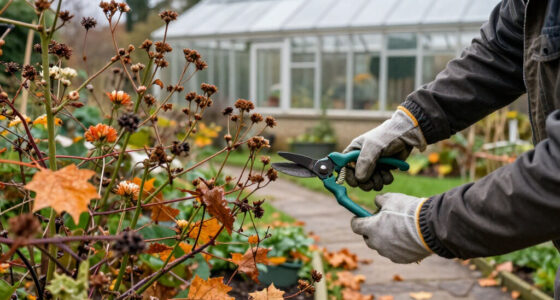
Breglia advises limiting pruning in October to dead, diseased or broken branches, rather than undertaking major shaping. He says removing damaged wood can reduce the chance that problems spread into healthy parts of the tree. The report recommends using sharp bypass pruners or loppers on smaller branches and a pruning saw for larger limbs. It does not give a detailed guide to identifying disease or making cuts on large limbs, which may call for professional help.
For the root zone, Breglia recommends adding or replenishing two to four inches of organic mulch, such as shredded bark or wood chips. The mulch should not touch the trunk, he says, because keeping it piled against the bark can contribute to decay and pest problems. The report says the layer can help insulate shallow roots against early freezes and retain moisture during cold, dry weather. For container-grown maples, it suggests insulating the pot with burlap or moving it to a sheltered location, since roots in pots are more exposed to cold.
The third task is protecting the trunk. Breglia says a ventilated wrap or breathable protective material may reduce winter sunscald risk, especially on young trees with smooth, thin bark. The material should allow airflow and not trap moisture. The report also recommends a mesh guard to limit browsing by deer, rabbits and rodents. It advises adjusting watering as leaves fall and avoiding waterlogged soil, but provides no specific watering timetable.
Preparing Roots and Trunks for Winter
The checklist focuses on common sources of cold-season stress: root exposure, trunk injury and damaged branches. Japanese maples are often established as ornamental trees, and young specimens or maples grown in containers may be more exposed to winter conditions than mature trees in the ground. Mulch, suitable trunk protection and selective removal of damaged wood are practical steps gardeners can consider before freezes arrive.
The recommendations also emphasize restraint. The arborist’s advice is not to conduct a full autumn pruning, but to remove compromised branches and avoid cuts that could prompt tender growth before winter. Because local weather, tree age, planting conditions and the extent of damage vary, the checklist is best treated as general seasonal guidance rather than a tailored care plan.
bypass pruning shears for Japanese maple branches
As an affiliate, we earn on qualifying purchases.
As an affiliate, we earn on qualifying purchases.
Why October Care Is Recommended
The Homes and Gardens report says established Japanese maples generally need relatively little maintenance, but identifies autumn as a time to prepare them for winter. It draws a distinction between limited cleanup pruning and major pruning: the latter is discouraged in late summer and early fall because new growth could be vulnerable to winter injury. The article notes that late fall to midwinter is often considered a suitable pruning period, while presenting October as a time for essential tidy-up cuts.
The report explains that winter sunscald can occur when warmth from the sun affects dormant cells in a trunk that are then damaged as temperatures fall. It says injury can appear as sunken, dry, cracked or dead tissue, often on the southwest side. Young trees with thin, smooth bark are identified as more susceptible. The article also describes winter browsing as a concern when other food is scarce, making guards relevant where deer, rabbits or rodents are present.
“Remove dead, diseased, or broken branches so problems are less likely to spread into healthy parts of the tree.”
— Fred Breglia, ISA-certified arborist, as quoted by Homes and Gardens
Limits of the Seasonal Advice
The source does not specify the report’s publication date, the climate zone or weather conditions for which its October timing is intended, or how gardeners should adjust the recommendations by region. It also does not give detailed instructions for pruning large or hazardous limbs, treating existing disease, choosing a wrap for a particular tree, or watering based on soil type. Breglia’s recommendations are presented as general advice, not as an assessment of any individual tree.
The report does not cite research or quantify how much mulch or trunk protection reduces winter injury. The extent of sunscald and animal-browsing risk will depend on the tree and its site. Gardeners facing substantial damage or uncertainty about pruning can seek advice from a qualified local arborist.
Tasks Before Colder Weather
The immediate steps in the report are to inspect the tree for dead, diseased or broken branches; add or refresh mulch while keeping it clear of the trunk; and assess whether a young tree needs breathable trunk protection or a mesh guard. Container-grown maples may need a sheltered position or insulation around the pot. As temperatures drop and leaves fall, the report advises reducing watering while avoiding waterlogged soil.
No follow-up announcement or additional milestone is specified in the source. Gardeners should adapt the timing to local conditions and seek individual advice if branches are large, damage is extensive or the tree’s health is uncertain.
Key Questions
What three October tasks does the arborist recommend for Japanese maples?
Remove dead, diseased or broken branches, replenish mulch around the roots and protect the trunk from winter sunscald or animal browsing where needed.
How much mulch does the report recommend?
Fred Breglia recommends a two-to-four-inch layer of organic mulch, such as shredded bark or wood chips. Keep it away from the trunk to reduce the risk of decay and pest problems.
Should Japanese maples be heavily pruned in October?
The report does not recommend major October pruning. Breglia advises removing essentially damaged branches and says late-summer and early-fall pruning can encourage tender growth vulnerable to winter injury.
How can gardeners protect a Japanese maple trunk in winter?
The report suggests a ventilated wrap or breathable protective material to reduce sunscald risk, particularly for young trees with thin, smooth bark. It should allow airflow and avoid trapping moisture. A mesh guard may help prevent animal damage.
Does the advice apply to every climate and Japanese maple?
The source presents general seasonal guidance and does not specify climate zones or tailor advice to individual trees. Local weather, the tree’s age and whether it is in a pot can affect what protection is appropriate.
Source: rss
Halloween Picks
halloween
As an affiliate, we earn on qualifying purchases.