
TL;DR

Get garden gear delivered free — and shop member deals
- Fast, free delivery on millions of items
- Access to Prime Big Deal Days deals on October 6–7
- Prime Video, Amazon Music and more included
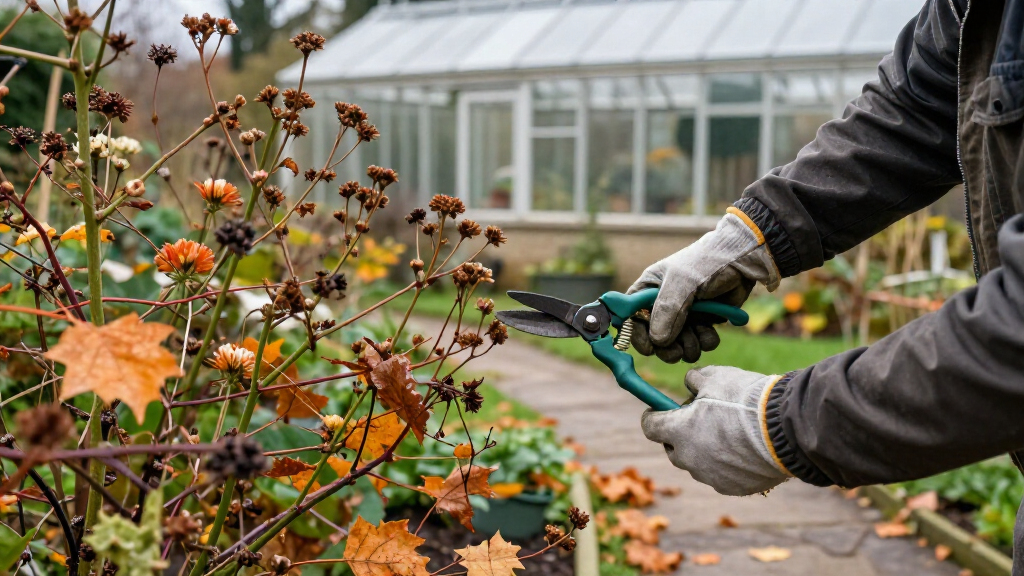
Gardening Know How advises against routine October pruning of lilac, forsythia, pink muhly grass, azalea and ‘Emerald Green’ arborvitae. The timing can remove next spring’s flower buds, cut short a winter display or expose plants to cold and wet-season damage.
Gardening Know How advises gardeners to avoid routine October pruning of five popular plants, saying cuts at this point in the season can remove next spring’s flower buds, diminish winter interest or expose fresh growth to cold. The list includes lilac, forsythia, pink muhly grass, azalea and ‘Emerald Green’ arborvitae.
The report says lilacs and forsythias set flower buds on older growth. Lilacs form next year’s buds soon after flowering, while forsythias also produce buds for the following spring after their current blooms fade. The recommended pruning window for both is shortly after flowering, not October. Cutting later can reduce the spring display, according to the article.
Azaleas also should generally be pruned after spring bloom, the report says. By October, buds for the next flowering season have formed, so trimming can remove them. The article adds that pruning in fall may prompt tender new growth that could be damaged by the first frost.
For pink muhly grass, October is when its pink seed heads and foliage provide seasonal color and texture. Leaving the growth standing can also offer wildlife food and cover, and the report says the top growth helps protect the plant’s crown from cold and excess moisture. The article describes ‘Emerald Green’ arborvitae as a plant that needs little pruning; shaping, if needed, is better done in late spring or early summer.
Protecting Flowers and Winter Interest
The advice concerns both next year’s blooms and this winter’s garden. For lilac, forsythia and azalea, a late-season trim can remove buds already formed for spring. For pink muhly grass, cutting it back in October would remove the plumes that give the plant its autumn and winter presence.
Timing also affects how plants handle cold and wet conditions. Gardening Know How says pruning can encourage fresh growth that may not harden before frost, while autumn cuts can leave plants exposed to fungal problems in wet weather. These are the article’s general cautions; the risks will depend on local weather and plant conditions.
The distinction matters for gardeners planning fall cleanup: not every plant benefits from being cut back before winter. The report recommends leaving these five alone for routine pruning while allowing for targeted removal of broken or diseased branches.
Pruning Windows Vary by Plant
The source frames pruning as a task whose timing depends on the plant. Its central guidance is to prune spring-flowering shrubs soon after their flowers fade, because many develop the following season’s buds during the months that follow. That schedule applies to the lilac, forsythia and azalea examples in the report.
The plants on the list have different reasons to wait. Pink muhly grass is retained for its fall plumes and winter structure; arborvitae may be shaped in late spring or early summer. The report is not a general ban on all October garden work: it says broken or diseased branches can be cut back, while regular pruning of the named plants should be deferred.
““There is no one good time for pruning all the plants in your garden.””
— Gardening Know How
Local Conditions Can Change Timing
The source does not specify the article’s publication date, regional weather assumptions or how its advice may vary among cultivars and growing conditions. It also does not quantify how many flowers might be lost after October pruning or the likelihood of fungal damage. Local frost dates and plant condition can affect the practical timing, and gardeners may need region-specific advice.
The guidance addresses routine pruning of five plants, not every reason a gardener might make a cut. The report allows removal of broken or diseased wood, but does not describe detailed procedures for those cases.
Wait for the Recommended Season
For gardeners following the report, the next step is to leave routine pruning until the plant’s recommended window: shortly after spring flowering for lilac, forsythia and azalea, and late spring or early summer for shaping ‘Emerald Green’ arborvitae. Pink muhly grass can remain standing through its winter display.
Gardeners should check local growing guidance before making substantial cuts, especially where frost arrives early or plant varieties differ. The source provides seasonal advice; it does not announce a new study, rule or change in horticultural policy.
Key Questions
Which five plants does the report say to leave unpruned in October?
It names lilac, forsythia, pink muhly grass, azalea and ‘Emerald Green’ arborvitae for avoiding routine October pruning.
When should lilac and forsythia be pruned?
Gardening Know How recommends pruning them soon after their flowers fade. The article says lilacs typically finish flowering around June, though timing varies by location and conditions.
Why leave pink muhly grass standing?
Its pink seed heads and foliage provide fall and winter interest. The report also says standing growth can offer wildlife food and cover and help protect the plant’s crown.
Can damaged branches still be removed in October?
Yes. The report says broken or diseased branches can be cut back; its warning is against routine pruning of the five named plants.
Source: rss
Halloween Picks
halloween
As an affiliate, we earn on qualifying purchases.