
TL;DR

Get garden gear delivered free with Prime
- Fast, free delivery on millions of items
- Prime Video, Amazon Music and more included
- Member-only deals all year
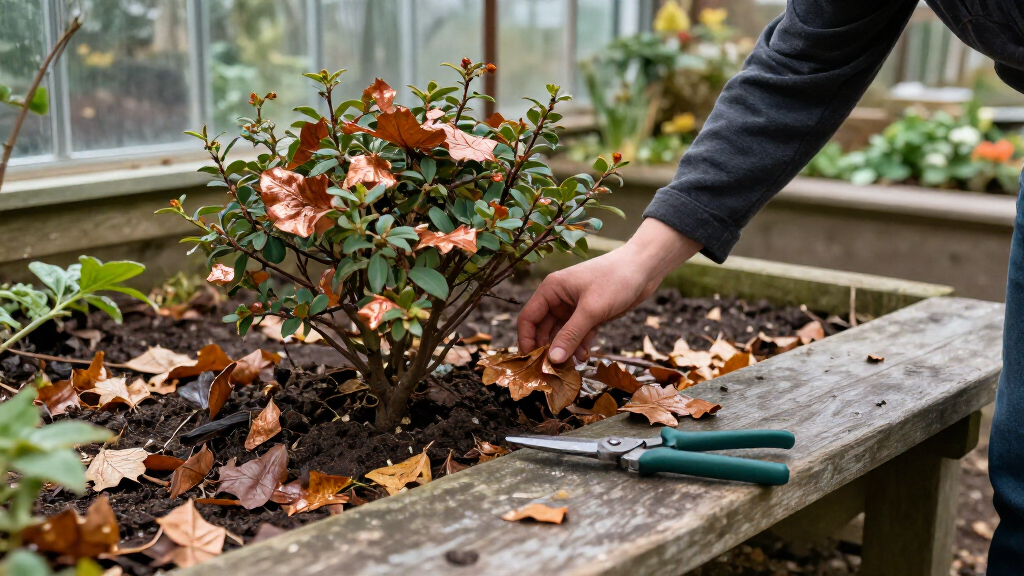
A gardening report advises against routine October pruning of six plant groups: hydrangeas, spring-flowering shrubs, lavender, deciduous ornamental grasses, some evergreen shrubs and late-flowering perennials. The advice is to remove damaged or diseased material when needed, but delay general pruning because it can remove flower buds or expose plants to winter cold.
Gardeners are being advised to leave six groups of plants unpruned in October, as cutting them back too early can remove flower buds or leave growth more exposed to winter weather, according to an Ideal Home report citing horticulturalists. The list includes hydrangeas, spring-flowering shrubs, lavender, deciduous ornamental grasses, some evergreen shrubs and late-flowering perennials.
Pim Dickson, senior horticulturalist at Fothergill’s, told Ideal Home that October can be suitable for removing diseased foliage, rotting material and damaged branches, but said healthy stems, faded blooms and seedheads may serve a purpose. The advice is not to stop all garden maintenance, but to avoid broad or hard cuts on plants that are not ready for pruning.
Mophead and lacecap hydrangeas flower on existing stems, Dickson said, so cutting those stems in autumn can remove buds for the next season. The report recommends waiting until mid-spring to remove old flowerheads and cut back to the first healthy pair of buds. Forsythia and lilac are also listed because many spring-flowering shrubs form buds on growth from the previous season; general pruning is best done after flowering in late spring or early summer.
Lavender should not receive a hard autumn cut, the report says, because exposing older stems can limit regrowth and fresh growth may be damaged by cold. Deciduous ornamental grasses can be left standing until late winter or early spring, preserving their winter structure and seedheads. Charlotte McGrattan, hardy nursery stock buyer at Hillier Nurseries, advises leaving specified evergreen shrubs, including viburnum, choisya ‘Sundance’ and escallonia, until after flowering or until spring, depending on the plant.
How October Cuts Can Affect Spring
The timing of a pruning cut can affect next year’s flowers. For plants that set buds on older stems, autumn trimming may remove the growth that would otherwise bloom in spring. The report also says hard cuts can expose vulnerable stems or plant crowns to winter conditions, while new growth encouraged by pruning may be susceptible to cold.
Leaving some plants standing has benefits beyond flowering. Dry ornamental-grass foliage and seedheads can add structure through winter and provide food or shelter for wildlife, according to Dickson. For gardeners, the practical point is to distinguish necessary clean-up from cosmetic cutting: a less bare garden in October can be consistent with protecting plants for the next growing season.
As an affiliate, we earn on qualifying purchases.
Pruning Windows Differ by Plant
October is not universally the wrong time to prune. The report acknowledges that some plants benefit from autumn pruning and recommends dealing with diseased foliage, rotting material and broken or damaged branches. Its caution concerns routine shaping or hard pruning of the particular plant groups named, rather than every cut in the garden.
The suggested timing varies. The report places hydrangea pruning in mid-spring, spring-flowering shrubs immediately after they bloom, and lavender’s main shaping cut after flowering in late summer. Deciduous grasses can wait until late winter or early spring. For the evergreen shrubs named by McGrattan, the report points to mid- to late spring for pruning after frost risk has passed, or after flowering where appropriate.
Plant type and flowering time matter. The recommendations do not establish one date that applies to every variety or local climate. The report’s advice is based on the plants and examples it names, including mophead and lacecap hydrangeas and specific evergreen shrubs.
“A tidy garden does not have to mean a completely bare one.”
— Pim Dickson, senior horticulturalist at Fothergill’s
Which Varieties Need Different Care
The source does not give advice for every species, cultivar or growing region. It also does not specify local weather conditions or define how much pruning would count as a hard cut for each plant. The late-flowering-perennials section in the supplied source text is incomplete, so it does not provide a full list of examples or detailed instructions for that group.
The guidance is attributed to horticulturalists in a gardening report; it is not presented as a plant-by-plant assessment for every garden. The source does not say that all pruning in October will harm plants. It allows for the removal of diseased or damaged material and cautions against general pruning of the named groups.
What Gardeners Can Do This Month
Check plants before cutting and remove only material that is dead, diseased, rotting or damaged where needed, following the report’s advice. For uncertain stems on spring-flowering shrubs, it suggests scraping a small area of outer bark with a thumbnail: green, moist tissue indicates a living stem, while dry, brown and brittle tissue indicates a dead one.
Gardeners can leave healthy stems and seedheads in place, then prune at the recommended time for each plant. The report advises mid-spring pruning for hydrangeas, pruning spring-flowering shrubs after flowering, and waiting until late winter or early spring to cut back deciduous grasses. Local frost conditions and the plant’s exact variety may affect when spring pruning is appropriate; the source offers no location-specific schedule.
Key Questions
Which plants does the report advise not pruning in October?
It names hydrangeas, spring-flowering shrubs, lavender, deciduous ornamental grasses, some evergreen shrubs and late-flowering perennials. The supplied text gives limited detail for the final group.
Can I remove dead or diseased growth in October?
Yes. The report distinguishes general pruning from removing diseased foliage, rotting material and damaged branches, which it says can be addressed in October.
When should hydrangeas be pruned?
For mophead and lacecap hydrangeas, the report recommends waiting until mid-spring, then removing old blooms and cutting back to the first healthy pair of buds.
Why leave ornamental grasses standing over winter?
The dry foliage and seedheads of deciduous varieties can provide winter structure and food or shelter for wildlife, while leaving the growth in place can protect the plant’s crown. The report suggests cutting it back in late winter or early spring.
Source: rss
Fall yard work Picks
leaf blowers
As an affiliate, we earn on qualifying purchases.