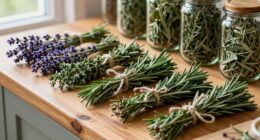
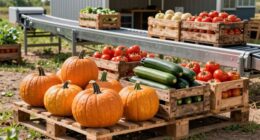
To preserve food during cold weather, you can master methods like drying herbs and fruits using air, sun, or low heat; cellaring root vegetables, cabbages, and hardy tubers in cool, dark spaces without electricity; and fermenting vegetables like sauerkraut and kimchi to boost immunity and health. These techniques help extend your harvest, support food sovereignty, and guarantee resilient, healthful foods all winter long. Exploring these methods further can empower your seasonal food resilience.
Key Takeaways
- Drying preserves herbs, fruits, and peppers naturally, extending shelf life without additives or preservatives.
- Cellaring stores root vegetables and hardy crops in cool, dark spaces, maintaining freshness without electricity.
- Fermentation creates probiotic-rich foods like sauerkraut and kimchi, boosting immunity during cold months.
- Combining drying, cellaring, and fermenting ensures a resilient, year-round food supply during winter.
- These methods reconnect you with natural seasonal rhythms and promote food sovereignty and health.

When the temperatures drop, preserving your food becomes essential to prevent spoilage and waste. But it’s also a chance to take control, to break free from reliance on store-bought goods, and to reconnect with the natural rhythms of the seasons. Cold-weather preservation methods like drying, cellaring, and fermenting aren’t just survival skills—they’re acts of liberation that put you in charge of your food, your health, and your independence.
Preserve your food naturally and reclaim independence through drying, cellaring, and fermenting this winter.
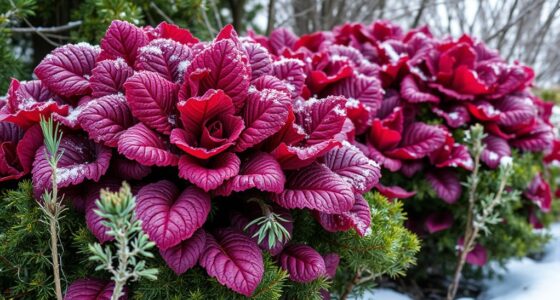
As winter approaches, focus on winter hydration—keeping yourself energized and healthy through these colder months. Preserving your harvest through frost resistant crops allows you to extend the bounty well beyond the growing season. These hardy plants can withstand the chill and provide you with fresh, nutritious options even when the ground is frozen. By growing and harvesting frost resistant crops, you’re ensuring a resilient supply that supports your goal of self-sufficiency. This way, you’re not just surviving winter; you’re thriving through it, armed with the knowledge that your food is safe and ready whenever you need it.
Drying is a straightforward method that liberates your produce from the constraints of time and space. You can dry herbs, peppers, mushrooms, or even fruits, transforming them into concentrated flavors that last for months. The process is simple—air, sun, or low heat does the work, and you’re left with natural, preservative-free foods that you control from start to finish. This isn’t just about storage; it’s about reclaiming your kitchen from commercial preservatives and additives, asserting your right to pure, unadulterated nourishment.
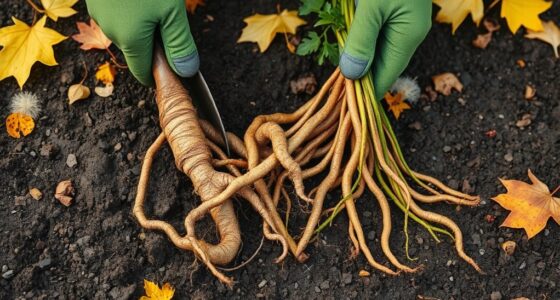
Cellaring offers another way to stay in command of your food supply. Root vegetables, cabbages, and hardy tubers can be stored in cool, dark spaces, giving you access to fresh produce when markets are scarce. Think of your cellar as a silent partner—preserving the harvest without electricity or fancy equipment. It’s a powerful reminder that you don’t need to depend on industrial systems to keep your food edible and nutritious. With proper cellaring, you’re creating a personal food sanctuary that supports your sovereignty and resilience.
Fermentation completes the trio of cold-weather preservation methods. It transforms humble ingredients into vibrant, probiotic-rich foods that boost your health and immunity during the darkest months. Sauerkraut, kimchi, and fermented vegetables are more than just preserved foods—they’re your allies in reclaiming your well-being. Fermentation is an act of liberation, turning simple ingredients into powerful, fermented treasures that you control from start to finish. It’s about harnessing natural processes, trusting your instincts, and breaking free from dependency on processed foods.

Costzon Kids Picnic Table, Hexagonal Wooden Toddler Outdoor Table and Bench Set with Removable Umbrella, Kids Outdoor Furniture for Patio Lawn Garden Backyard, Seats Up to 6 Children Age 3+ (Natural)
- Capacity for 6 Children: Seats up to 6 kids aged 3+
- Indoor and Outdoor Use: Suitable for patio, lawn, garden
- Adjustable & Removable Umbrella: Provides shade with 3 height positions
As an affiliate, we earn on qualifying purchases.
Frequently Asked Questions
What Fruits Are Best Suited for Cold-Weather Drying?
You should pick fruits like apples, pears, cranberries, and grapes for cold-weather drying. Focus on ripe, firm fruit with low moisture content to guarantee quality. Use proper drying techniques such as air drying, oven drying, or dehydrators to prevent spoilage. By choosing the right fruit selection and mastering drying techniques, you liberate your flavors and enjoy delicious, preserved treats all winter long.
How Do I Prevent Mold During Cold Cellar Storage?
To prevent mold during cold cellar storage, you need to control humidity and guarantee good air circulation. Keep humidity levels low but stable, around 60%, to discourage mold growth. Ventilate regularly and avoid overcrowding, so air flows freely around your fruits. By taking these steps, you free your produce from mold’s grip, embracing the liberation of natural preservation and enjoying your harvest unspoiled and ready whenever you desire.
What Are the Safest Fermenting Temperatures in Winter?
Think of winter as a delicate dance floor for fermentation, where temperatures must stay in harmony. Keep your fermentation temperature control between 55–75°F to guarantee safe yeast activity without chaos. Cold weather yeast activity slows, so maintain steady warmth to prevent spoilage or off-flavors. By embracing this rhythm, you free your brew from the cold’s grip, allowing your ferment to flourish safely and beautifully, even in winter’s quiet embrace.
Can I Preserve Vegetables Using Multiple Methods Simultaneously?
Yes, you can combine preservation techniques for vegetables to maximize freedom and variety. Using method combinations like fermenting and drying together lets you enjoy a broader range of flavors and textures. Just guarantee each method’s conditions don’t interfere—fermentation needs warmth, while drying requires low humidity. Experimenting with multiple preservation techniques empowers you to create a diverse, self-sufficient pantry, freeing you from reliance on store-bought options.
How Long Can Fermented Products Be Stored in Cold Conditions?
You can store fermented products in cold conditions for several months, often up to 6 months or more, depending on the type and storage environment. Keep an eye on fermentation safety—if you notice off smells, mold, or unusual bubbles, it’s best to discard. Proper cold storage hinders fermentation, preserves flavor, and ensures safe consumption, giving you the freedom to enjoy your preserved goods on your schedule without worry.
Conclusion
As the cold air settles in, your jars and cellars become quiet guardians of summer’s bounty. You feel the crispness in the air, the gentle hum of fermentation, and the crackle of drying produce. With each step, you craft a cozy rhythm—preserving flavors like frozen whispers in time. Embrace this season’s stillness, knowing your efforts will warm future days, as your pantry becomes a tapestry of winter’s quiet promise, waiting to nourish when the cold returns.