Late fall is the best time to dig burdock, chicory, and dandelion roots because they reach their peak energy and flavor now. Look for mature, thick roots that are still healthy and free from damage. Use a garden fork or spade to gently loosen soil around the roots and carefully extract them. Properly cleaning and storing your harvest guarantees you get the most from these underground treasures. Discover more about harvesting wild roots and connecting with nature’s cycles.

Get garden gear delivered free — and shop member deals
- Fast, free delivery on millions of items
- Access to Prime Big Deal Days deals on October 6–7
- Prime Video, Amazon Music and more included
Key Takeaways
- Late fall is ideal for harvesting burdock, chicory, and dandelion roots when they are energy-rich and fully matured.
- Look for thick, robust burdock roots with branching tendencies, and long, tapering chicory and dandelion roots.
- Harvest in open, sunny areas for chicory and dandelions, and disturbed soils or hedgerows for burdock.
- Use a garden fork or spade to gently loosen soil and extract entire roots without breaking.
- Post-harvest, clean roots thoroughly and store properly for roasting, sautéing, or fermentation.
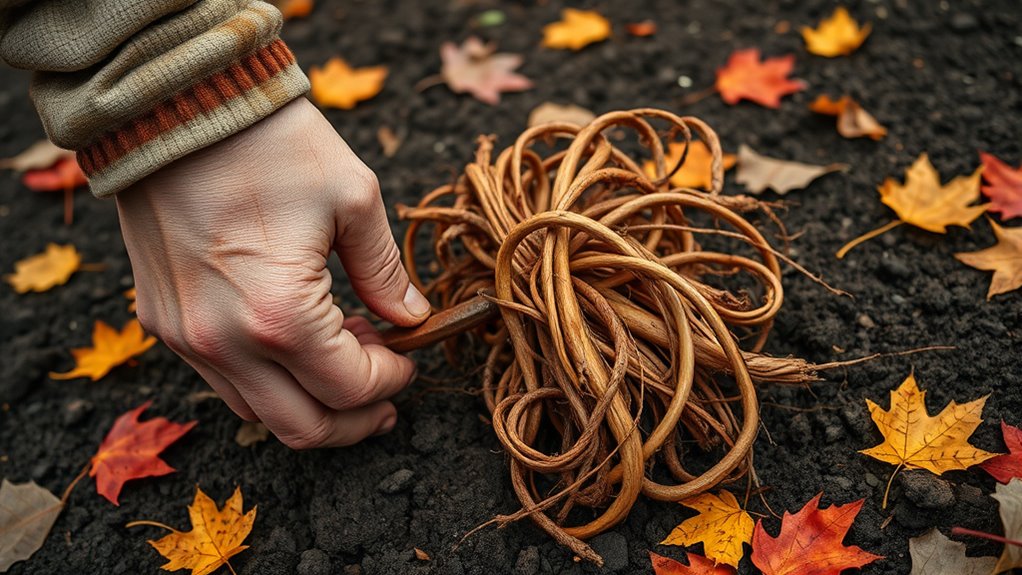
Have you ever wondered why root vegetables become so popular during the fall and winter months? It’s because these hardy plants carry the essence of seasonal harvesting, offering nourishment when the world slows down and nature’s bounty shifts beneath the soil. As you embrace the spirit of foraging tips, late fall becomes the perfect time to dig into the underground treasures of burdock, chicory, and dandelion. These roots aren’t just food; they’re a statement of your liberation from reliance on stores, a reclaiming of wild abundance that’s been quietly waiting beneath your feet.
Root vegetables in fall and winter symbolize seasonal abundance and reclaiming wild nourishment beneath our feet.
When foraging for these roots, your focus should be on understanding the rhythms of seasonal harvesting. Roots like burdock, chicory, and dandelion are at their peak now, stored with energy from the summer’s sun, ready to fuel your body through the colder months. Look for plants that are mature—typically, the ones with thicker, more developed roots. In the case of burdock, seek out plants that have large, robust roots, often found in disturbed soils or along hedgerows. Chicory and dandelions are easier to identify; their roots are often long and tapering, and they tend to grow in open, sunny areas. Remember, the key to successful foraging tips is respecting the environment—always harvest sustainably, leaving enough behind so these plants can thrive for future seasons.
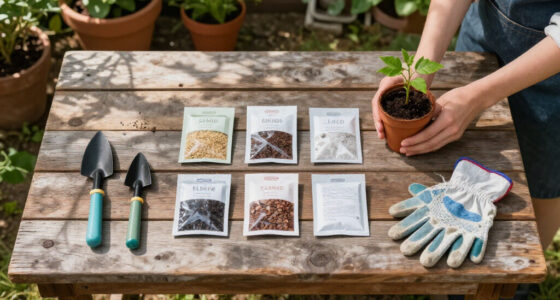
During your seasonal harvesting, use a sturdy garden fork or a spade to gently loosen the soil around the roots. Dig deep enough to extract the entire root system without breaking it, especially with burdock, which has a tendency to branch. Clean your harvest carefully, removing dirt and any damaged parts, but avoid peeling or slicing the roots until you’re ready to prepare them. This preserves their freshness and nutritional value. The act of digging roots in late fall feels empowering; you’re connecting directly with the land’s cycles, making your foraging a ritual of liberation from industrial food systems.
Incorporate these roots into your diet—roasted, sautéed, or fermented—embracing their earthy flavors and health benefits. By mastering foraging tips and understanding seasonal harvesting, you take control of your food sources, forging a deeper bond with nature. This is your time to reclaim the wild, to harvest the underground treasures that nature offers freely and abundantly. Root season isn’t just about eating; it’s about awakening your senses and asserting your independence through the simple act of digging up what the earth has been quietly storing for you.
Frequently Asked Questions
How Do I Identify Mature Burdock, Chicory, and Dandelion Roots?
To identify mature burdock, chicory, and dandelion roots, focus on plant identification and root maturity. Look for thick, fleshy roots that are at least 8-12 inches long for burdock, with a dark, rough exterior. Chicory roots should be stout and a few inches thick, with a smooth surface. Dandelion roots are typically deep, tapering, and about 6-12 inches long, with a firm texture. Harvest only when roots are fully developed and robust.
What Tools Are Best for Digging These Roots in Late Fall?
Imagine you’re a pioneer with the best foraging equipment—grab a sturdy garden fork or a sharp spade to dig deep roots. These root digging tools give you the leverage and precision needed to free burdock, chicory, and dandelion roots in late fall. Use a digging knife for stubborn roots and wear gloves for protection. Take control of your foraging journey and liberate these treasures from the earth.
Are There Any Safety Concerns When Foraging These Roots?
When foraging these roots, be aware of poisonous look-alikes and always verify plant ID to guarantee safety. You hold the power to harvest legally—check local regulations to avoid trouble. Use sharp tools carefully, and wear gloves to prevent skin irritation. Trust your intuition and knowledge to stay liberated from harm; respect the plants and the land, making your foraging a safe, empowering experience.
Can These Roots Be Harvested Sustainably Without Damaging the Plants?
Ever wondered if you can harvest these roots sustainably? You definitely can, but you need to be mindful of wildlife impact and soil health. Use gentle techniques to avoid damaging the plant’s core and leave some roots behind, ensuring the plant regrows. By respecting the environment, you’re freeing yourself to enjoy foraging without harming the ecosystem—embrace the liberation of harvesting responsibly and let nature thrive alongside you.
What Are the Best Storage Methods for Harvested Roots?
You should store your harvested roots in a cool, dark, and humid environment to guarantee proper root storage and preservation. Keep them in mesh bags or perforated containers to allow airflow, preventing rot. Avoid washing roots before storage; instead, brush off excess dirt. Proper root preservation extends freshness, so check regularly and remove any spoiled pieces. This way, you maintain the roots’ vitality, empowering your herbal journey with liberated, fresh ingredients.
Conclusion
As you finish harvesting burdock, chicory, and dandelion root this late fall, remember that these plants can boost your health year-round. For example, Sarah, a gardener, found that supplementing her diet with homemade root tinctures helped her boost digestion and energy during winter. By digging roots now, you’re not just preparing for the season ahead—you’re reconnecting with nature’s seasonal bounty. Embrace this tradition, and enjoy the nourishing benefits all year long.
Fall yard work Picks
leaf blowers
As an affiliate, we earn on qualifying purchases.