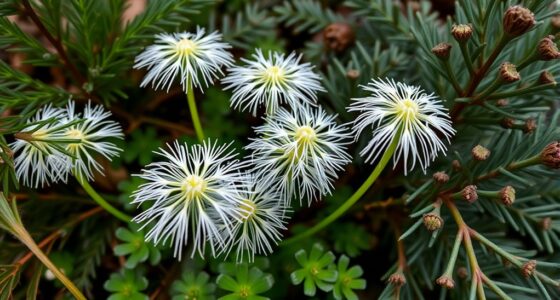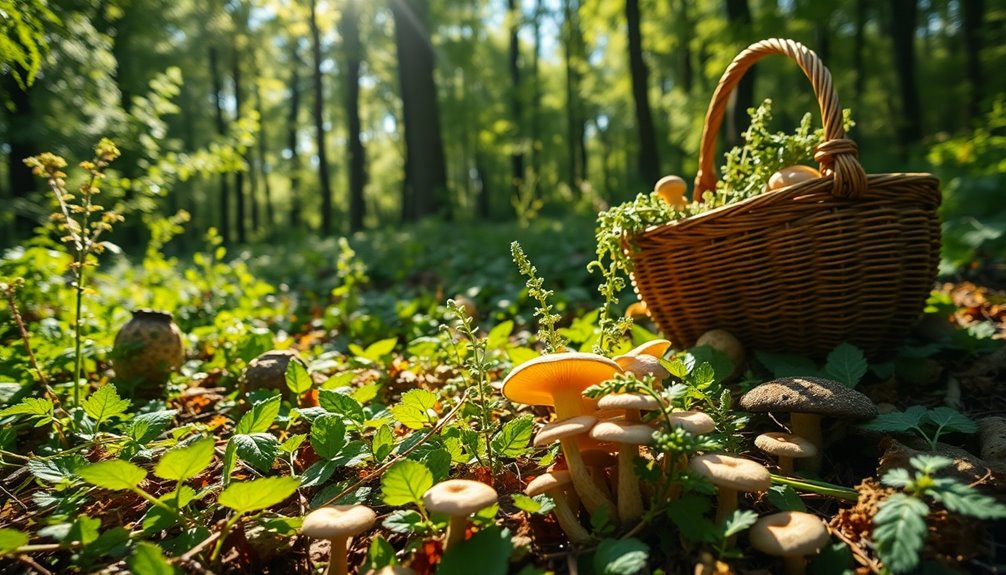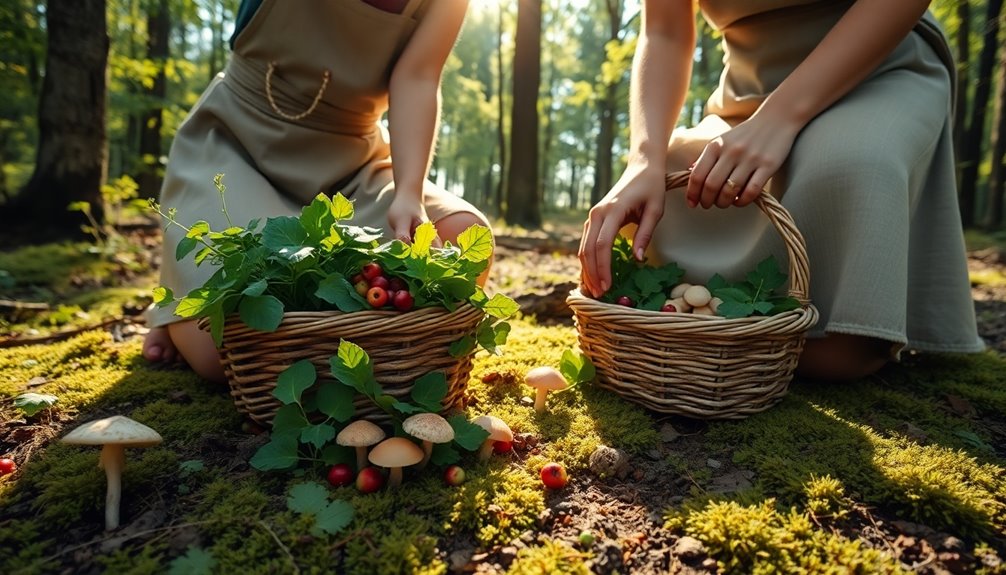
To forage ethically from day one, focus on sustainable harvesting methods that protect plant populations and ecosystems. Take only parts of plants you can replenish, like leaves, and avoid roots or endangered species. Use gentle tools and avoid overharvesting, ensuring plants can regenerate. Learn local regulations, respect protected areas, and be mindful of habitat health. Committing to responsible practices from the start helps preserve ecosystems—if you continue exploring, you’ll uncover even more ways to forage consciously.

Get garden gear delivered free — and shop member deals
- Fast, free delivery on millions of items
- Access to Prime Big Deal Days deals on October 6–7
- Prime Video, Amazon Music and more included
Key Takeaways
- Educate yourself about local laws, protected species, and sustainable harvesting guidelines before foraging.
- Harvest only what you need, focusing on renewable plant parts like leaves, not roots or whole plants.
- Use gentle, sustainable tools to make clean cuts, minimizing damage and supporting plant regeneration.
- Avoid foraging in fragile, stressed, or protected habitats to preserve ecosystem health.
- Practice ongoing learning about native flora and responsible harvesting to improve ethical foraging habits.
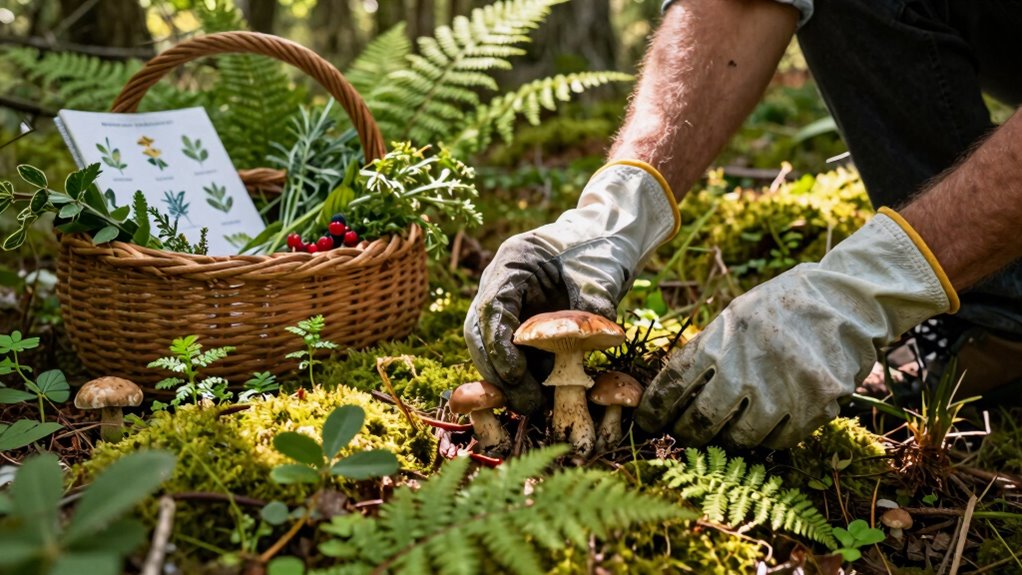
Have you ever wondered how to start foraging responsibly right from the beginning? It’s a smart question, especially if you want to enjoy nature’s bounty without causing harm. The key lies in adopting proper wildcrafting practices and fostering a strong conservation awareness. When you begin your foraging journey with these principles in mind, you contribute to the health of ecosystems while gathering what you need ethically.
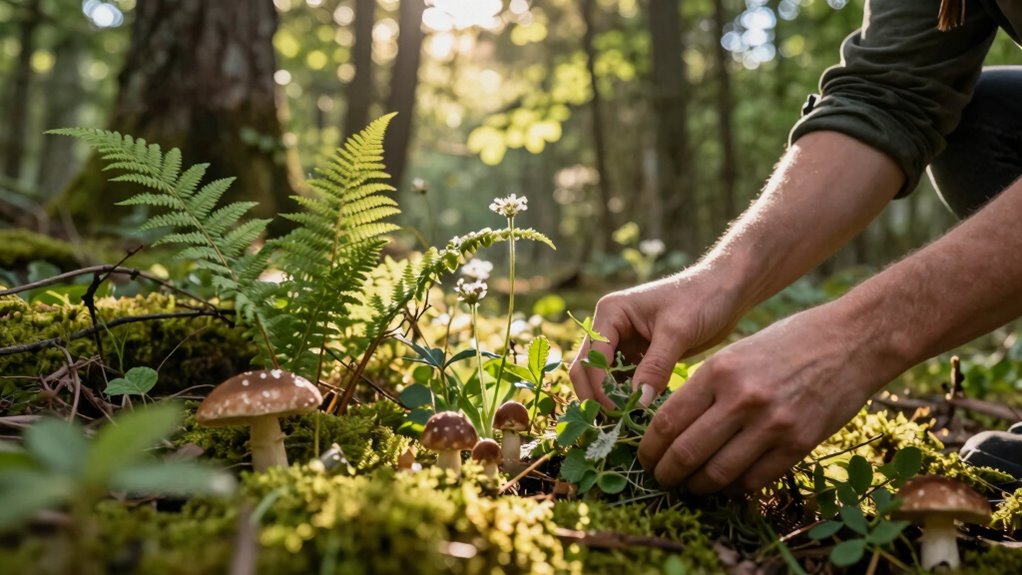
Wildcrafting practices are all about harvesting plants in a way that keeps the environment healthy and sustainable. Instead of taking everything in sight, you learn to identify which parts of the plant are best to harvest and how much you can take without damaging the population. For example, you might pick only a few leaves from a plant, leaving enough behind to allow it to regenerate. You also pay attention to the plant’s growth cycle, harvesting during times when it’s least disruptive, such as after flowering or during specific seasons. By respecting these cycles, you help ensure the same plants will be available for future foragers and wildlife alike.
Conservation awareness goes hand-in-hand with wildcrafting practices. It means understanding the importance of protecting the environment and making deliberate choices about what you gather. Before heading out, educate yourself about local regulations and protected species. Some plants are endangered or protected, and removing them can do more harm than good. Remember, just because something looks abundant doesn’t mean it’s a free-for-all. Be mindful of the plant’s natural habitat, and avoid overharvesting in areas that are already stressed or fragile. You want to leave the land better than you found it, not depleted.
Another aspect of responsible foraging involves not just what you take, but how you take it. Use sustainable tools like scissors or small knives to cut plants cleanly, avoiding unnecessary damage. Also, be cautious of invasive species; removing them can actually help restore native plant populations. When you forage with conservation in mind, you’re acting as a steward of the land. It’s about more than just gathering food or herbs—it’s about maintaining the delicate balance of ecosystems.
As an affiliate, we earn on qualifying purchases.
Frequently Asked Questions
Is It Legal to Forage in Public Parks or Private Properties?
You can’t forage freely in public parks or private properties without considering legal restrictions and property permissions. Laws vary by location, so you need to check local regulations before gathering plants. Always seek permission from landowners before foraging on private property, and respect designated park rules. Being aware of legal restrictions helps you forage ethically and avoid potential fines or conflicts, ensuring your foraging is responsible and respectful of property rights.
How Do I Identify Invasive or Protected Plant Species?
To identify invasive or protected plant species, start with plant identification guides or apps specific to your region. Look for key features like leaf shape, flower structure, and growth habits. Be mindful of conservation considerations—avoid harvesting protected species and invasive plants that harm local ecosystems. Always double-check your findings with local environmental agencies or experts. This guarantees you forage ethically, respecting native flora and helping preserve biodiversity.
What Tools Are Best for Sustainable Foraging Practices?
Start with simple, sturdy scissors or a small, sharp knife to guarantee sustainable harvesting and minimize damage to plants. Using lightweight baskets or reusable containers helps reduce waste while foraging. These tools support respectful foraging etiquette, allowing you to gather responsibly without harming the habitat. By choosing eco-friendly equipment, you prioritize preservation, practice patience, and promote sustainable harvesting for future foragers and flourishing flora.
How Can I Minimize My Environmental Impact While Foraging?
You can minimize your environmental impact during wild harvesting by sticking to sustainable practices, like only collecting what you need and avoiding rare or protected species. Respect the habitat, leave enough behind for wildlife and plant regeneration, and adhere to established trails to prevent erosion. Educate yourself about local conservation rules and work with the environment, not against it, to support ecological health and guarantee future foraging opportunities.
Are There Specific Seasons or Times Best for Ethical Foraging?
Imagine the earth’s rhythm as a gentle drumbeat guiding your foraging journey. The best times are during seasonal cycles’ peak, typically spring and early summer, when plants and fungi flourish. Ideal foraging times align with their natural growth spurts, ensuring you harvest sustainably. By tuning into these cycles, you respect nature’s balance, collecting only what’s abundant, and giving back to the land that sustains you.
Conclusion
By starting with these principles, you set the stage for a sustainable foraging journey. Imagine discovering hidden treasures beneath the canopy, knowing you’re protecting those very spots for future explorers. With each mindful harvest, you become part of a delicate balance—one that keeps nature’s secrets safe and the bounty abundant. The real question is, how will your next foraging adventure change when you realize the power you hold in every step? The forest’s answer awaits.
Fall yard work Picks
leaf blowers
As an affiliate, we earn on qualifying purchases.