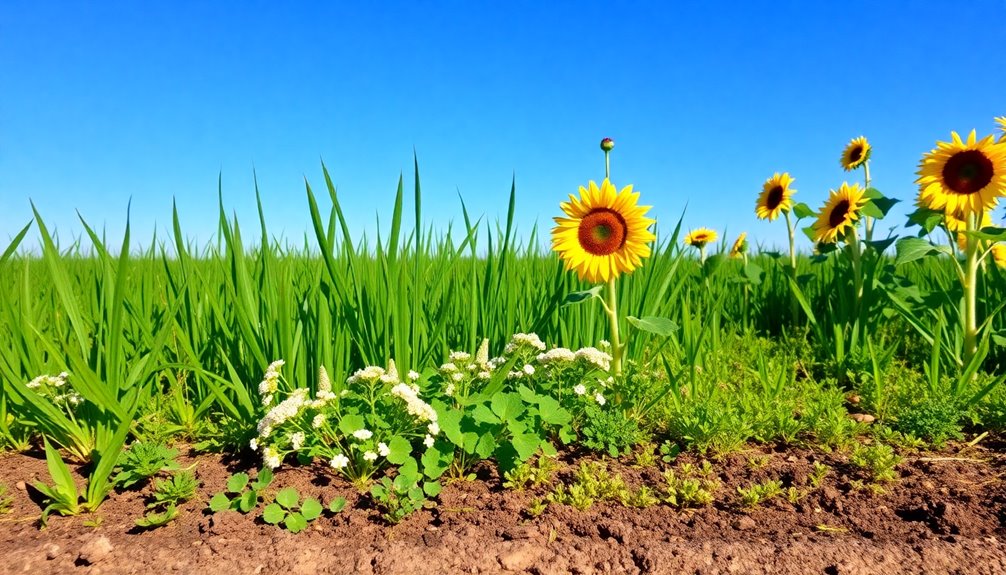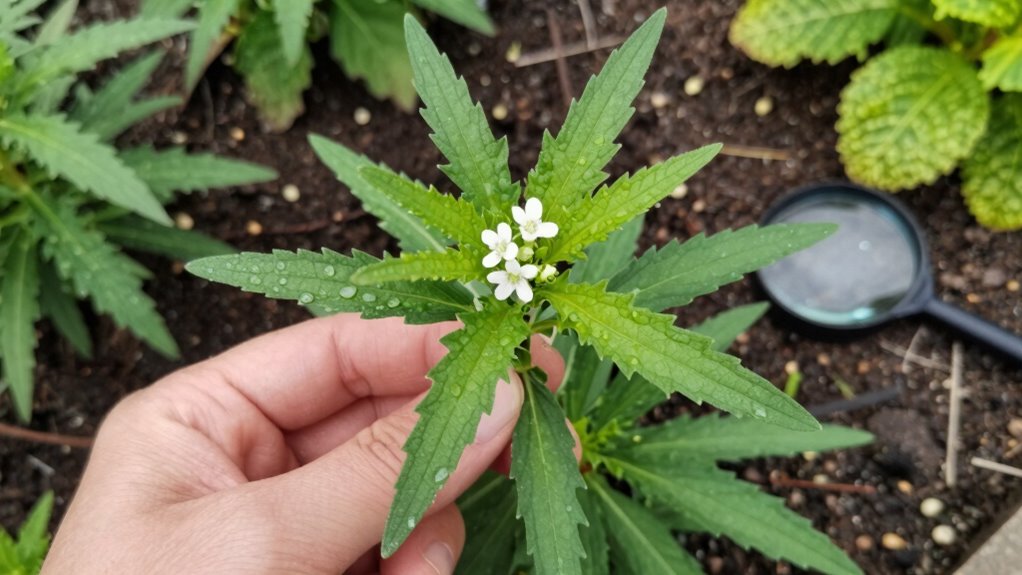
Before harvesting an unknown plant, you should first identify its species accurately using reliable guides or apps, and consult experts if needed. Check the plant’s environment for signs of contamination, pollution, or pests that could affect safety. Observe the plant’s features—like leaf shape, flower color, and maturity—timing your harvest for maximum benefits. Always test small amounts first and consider environmental factors. If you want to guarantee safe and responsible harvesting, keep exploring these essential precautions.

Get garden gear delivered free — and shop member deals
- Fast, free delivery on millions of items
- Access to Prime Big Deal Days deals on October 6–7
- Prime Video, Amazon Music and more included
Key Takeaways
- Confirm plant species accurately using reliable guides or experts to avoid toxic look-alikes.
- Observe the plant’s growth stage, harvesting at optimal times for flavor or nutrients.
- Assess environmental conditions for contamination, pollution, or nearby hazards.
- Check for signs of pests, diseases, or chemical exposure that may affect safety.
- Test small quantities first to ensure safety before larger harvesting or consumption.
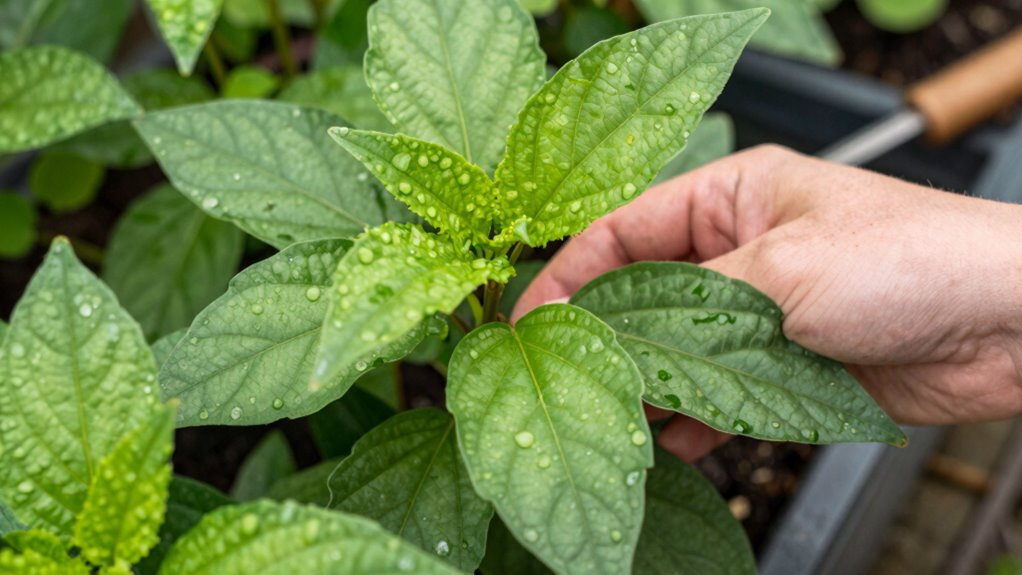
Before you harvest an unknown plant, it’s vital to identify it properly to avoid potential risks. Plant identification is your first step. You need to recognize the plant’s species accurately to determine whether it’s safe to consume or use. Pay close attention to distinctive features such as leaf shape, stem texture, flower color, and overall plant structure. Use reliable field guides or plant identification apps to match the plant’s characteristics. If you’re unsure, consult local experts or botanists before proceeding. Mistaking a toxic plant for an edible one can have serious health consequences, so thorough identification is essential.
Identify plants carefully to ensure safety and prevent health risks before harvesting.
Once you’re confident about what the plant is, contemplate the right harvest timing. Knowing the ideal time to harvest ensures you get the maximum nutritional value, potency, or flavor. For many plants, this means observing specific signs, like the color change of fruits or flowers, the maturity of seeds, or the overall size. For example, herbs are often best harvested just before they flower, when their oils and flavors are most concentrated. Fruits should be picked when fully ripe, indicated by color, softness, or aroma. Timing your harvest correctly not only enhances quality but also prevents overripe or underripe parts from being collected, which might be less beneficial or even harmful.
While plant identification and harvest timing are your primary concerns, it’s equally important to consider how and where the plant grows. Check for signs of contamination, such as chemical sprays, pollution, or nearby toxic substances. Avoid plants growing in contaminated soils or near busy roads, as they may have absorbed pollutants. Also, examine the plant’s surroundings for pests or diseases that could affect safety or quality. If the plant is growing in a cultivated or wild environment, verify that it hasn’t been exposed to harmful chemicals or pollutants, which can compromise your health. Additionally, understanding the contrast ratio of the plant’s environment can help determine how lighting conditions might influence your observation and assessment. Knowing about environmental factors can further support your decision-making process and help ensure your safety.
Finally, remember that harvesting an unknown plant should be approached with caution. Even after identification and timing, always start with small quantities to test for any adverse reactions if you decide to consume it. Proper plant identification combined with understanding the right harvest timing ensures you’re making safe, informed decisions before taking that first cut. This careful approach minimizes risks, maximizes benefits, and helps you enjoy the plant responsibly.
As an affiliate, we earn on qualifying purchases.
Frequently Asked Questions
How Can I Identify Toxic Plants Quickly?
To identify toxic plants quickly, start by examining the plant’s color; unusual or vibrant hues can be a warning sign. Look closely at the leaf shape—irregular, jagged, or unusual patterns often indicate toxicity. Use a plant identification app or guide to compare these features. Remember, if you’re unsure, it’s safest to avoid touching or consuming the plant until you confirm it’s non-toxic.
Are There Seasonal Risks When Harvesting Unknown Plants?
Yes, there are seasonal risks when harvesting unknown plants. Seasonal growth patterns and environmental factors like weather, temperature, and soil conditions can alter a plant’s appearance and toxicity levels. You might mistake a safe plant for a dangerous one during certain seasons. Always consider the time of year and environmental cues, and double-check plant identification before harvesting to avoid potential health risks.
What Tools Are Safest for Harvesting Unfamiliar Plants?
Using the safest tools is essential when harvesting unfamiliar plants because even a tiny mistake can turn into a disaster. You should rely on sharp, clean pruning shears or scissors for plant identification, ensuring precision and safety. Avoid knives or tools that might slip or cause damage. Always double-check tool safety by inspecting for rust or damage. Proper tools help you harvest carefully, reducing the risk of injury and ensuring accurate identification.
How Do I Test for Plant Edibility at Home?
To test for plant edibility at home, start with edibility confirmation by researching the plant’s characteristics thoroughly. Use safe harvesting techniques by wearing gloves and avoiding contaminated areas. Conduct a small skin test or a tiny taste to check for adverse reactions, then wait 24 hours. Remember, when in doubt, consult reputable foraging guides or experts. Never consume an unknown plant without proper identification and confirmation of edibility.
What Should I Do if I Experience a Reaction?
If you experience a reaction after handling or consuming an unknown plant, act immediately. Perform allergy testing by noting symptoms like itching, swelling, or difficulty breathing. If these occur, use first aid preparedness: take antihistamines, apply cold compresses, and seek emergency help if symptoms worsen. Always carry an epinephrine auto-injector if you’re prone to severe allergies, and consult a healthcare professional promptly for proper diagnosis and treatment.
Conclusion
Before you harvest an unknown plant, always double-check its identification, look for signs of pests or disease, and verify it’s safe to consume. Trust your senses—smell, touch, and sight—to spot anything unusual. Remember, “Better safe than sorry”—it’s better to be cautious than to risk poisoning or harming your health. Taking these simple steps keeps you safe and ensures your harvest is both enjoyable and secure.
Fall yard work Picks
leaf blowers
As an affiliate, we earn on qualifying purchases.