
TL;DR

Get garden gear delivered free — and shop member deals
- Fast, free delivery on millions of items
- Access to Prime Big Deal Days deals on October 6–7
- Prime Video, Amazon Music and more included
Gardening Know How recommends six October tasks for lemon trees: harvest ripe fruit, reduce watering, remove rootstock suckers, inspect for pests, move potted trees indoors near 40°F (4°C) at night, and prepare frost covers for trees left outside. The advice is seasonal guidance, not a report of a new horticultural study; local conditions and the tree’s growing setup affect what care is needed.
Gardening Know How has outlined six jobs for lemon-tree owners to tackle in October, including checking fruit for ripeness, cutting back watering and preparing plants for colder weather. The advice matters because lemon trees are relatively cold-sensitive, while potted trees and trees left outdoors face different risks as nights cool.
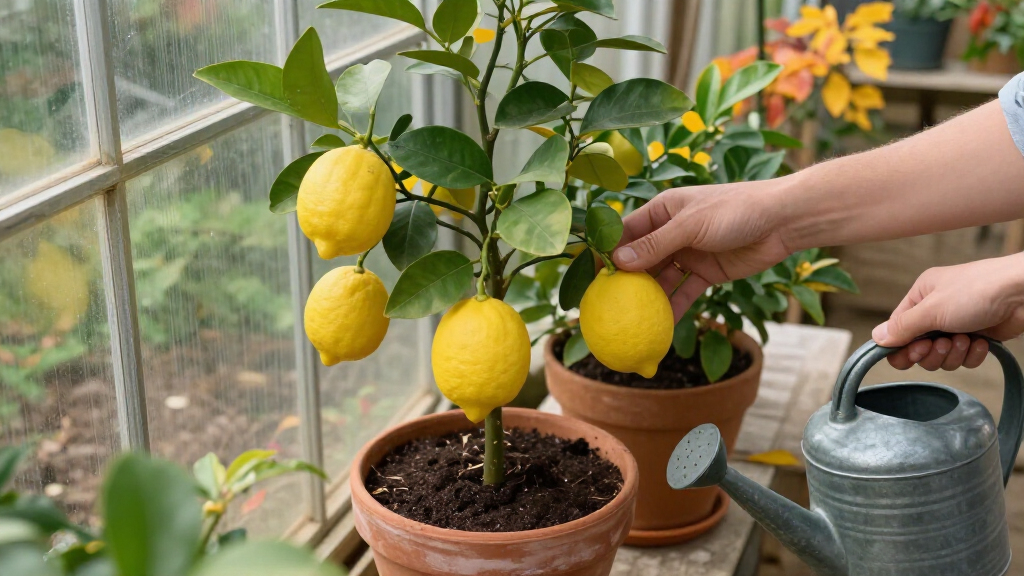
The report advises harvesting lemons that are ready while leaving immature fruit on the tree. Peel color alone is not a reliable test: the guide says ripe lemons tend to feel heavy for their size, remain firm but yield slightly to pressure, and smell fresh when the peel near the stem is lightly scratched. It recommends cutting fruit with hand pruners rather than pulling it, which can tear the skin. Picked lemons, the article says, do not continue ripening.
Watering can usually be reduced as temperatures fall because cool soil dries more slowly and the tree needs less water after its fruit has formed. The guide also advises removing suckers growing below the graft union, but not carrying out broader fall pruning, which it says can prompt tender new growth vulnerable to cold. Owners should inspect leaves and stems for signs of scale, mealybugs and spider mites, especially before bringing an outdoor tree indoors.
For potted trees, the report recommends moving them inside when nighttime temperatures approach 40°F (4°C), rather than waiting for a frost forecast. It suggests a south-facing window with at least six hours of sun daily, away from heating vents, and watering only after the top two inches (about five centimeters) of soil have dried. Owners keeping trees outdoors should have a frost cover ready before cold weather arrives.
Protecting Fruit and Trees From Cold
October care can affect both the current crop and a lemon tree’s ability to get through winter. A cold-sensitive tree may have leaves, fruit or new growth damaged by chilly nights, according to the source. Timely harvest and frost preparation help owners avoid leaving ready fruit on the tree or waiting until temperatures have already fallen to protect a potted plant.
The indoor move also changes the pest picture. The report says pests kept in check outdoors by weather and predators may spread more readily once a tree is sheltered inside. Inspecting the plant before moving it can help reduce the chance of carrying pests indoors, while less frequent watering reflects slower drying conditions in a cooler environment.
As an affiliate, we earn on qualifying purchases.
Six Tasks for October Care
The six jobs in the Gardening Know How report are to pick ripe lemons, reduce watering, remove suckers, check for pests, move potted trees indoors as nights approach 40°F (4°C), and prepare frost covers for outdoor trees. The article frames these as seasonal steps alongside the usual needs for full sun and well-drained soil, rather than as a change to the basic growing requirements of citrus.
Its pest guidance describes checking for sticky leaves, bumps on stems or leaf veins, ants on the trunk, and moving specks on paper after tapping a branch. For treatment, it discusses plant-derived neem oil and preliminary removal or rinsing steps for particular pests. These are recommendations from the gardening article, not an independent assessment of product effectiveness. Any pesticide or plant-care product should be used only as its label directs, with the protective equipment and precautions listed on the label.
“Color isn’t a good way to tell if a lemon is ripe.”
— Gardening Know How
Local Cold and Care Conditions
The article does not give a publication date or address how its timing may vary by region, forecast or the specific lemon variety. The 40°F (4°C) threshold is presented as general guidance; the source does not explain how to adjust it for different indoor setups, tree sizes or local conditions. It also does not specify a single frost-cover material or protection method for every outdoor tree.
Water needs likewise depend on conditions such as rainfall, drainage and the size of the container. The report advises reducing irrigation but does not provide a universal schedule. Its pest-control suggestions are not a substitute for checking product labels, which determine where, how and under what precautions a treatment may be used.
Monitor Forecasts and Fruit
Owners can use the report’s checklist through October: assess fruit before harvesting, check soil before watering, remove only the identified rootstock suckers, and inspect the plant for pests. Those with container-grown trees should watch overnight temperatures and plan an indoor location before readings approach the article’s suggested threshold.
For trees that will remain outside, the next step is to have suitable frost protection ready before cold weather arrives. The source does not set a date for that move or report further developments; the timing will depend on local forecasts and growing conditions.
Key Questions
How can I tell whether a lemon is ready to pick?
The report says color alone is unreliable. A ripe lemon often feels heavy for its size, stays firm but gives slightly to pressure, and has a fresh, sweet scent when the peel near the stem is lightly scratched. Cutting and tasting the fruit is the surest check described.
When should a potted lemon tree come indoors?
Gardening Know How recommends moving it inside as nighttime temperatures approach 40°F (4°C), rather than waiting for a frost warning. Local conditions may affect timing.
Should I keep watering a lemon tree as often in October?
The report recommends reducing watering because cool soil stays wet longer and the tree needs less moisture after fruit forms. Check soil conditions; it does not give one watering schedule for every tree.
Should I prune my lemon tree in fall?
The article advises against general fall pruning because it may encourage tender growth vulnerable to cold. It makes an exception for suckers below the graft union, which it says can be cut off at the trunk.
What should I check before bringing a lemon tree indoors?
Inspect stems and leaves for signs of scale, mealybugs and spider mites before moving the plant inside. If using any treatment, follow its label directions and required protective precautions.
Source: rss
Fall yard work Picks
leaf blowers
As an affiliate, we earn on qualifying purchases.