TL;DR

Get garden gear delivered free — and shop member deals
- Fast, free delivery on millions of items
- Access to Prime Big Deal Days deals on October 6–7
- Prime Video, Amazon Music and more included
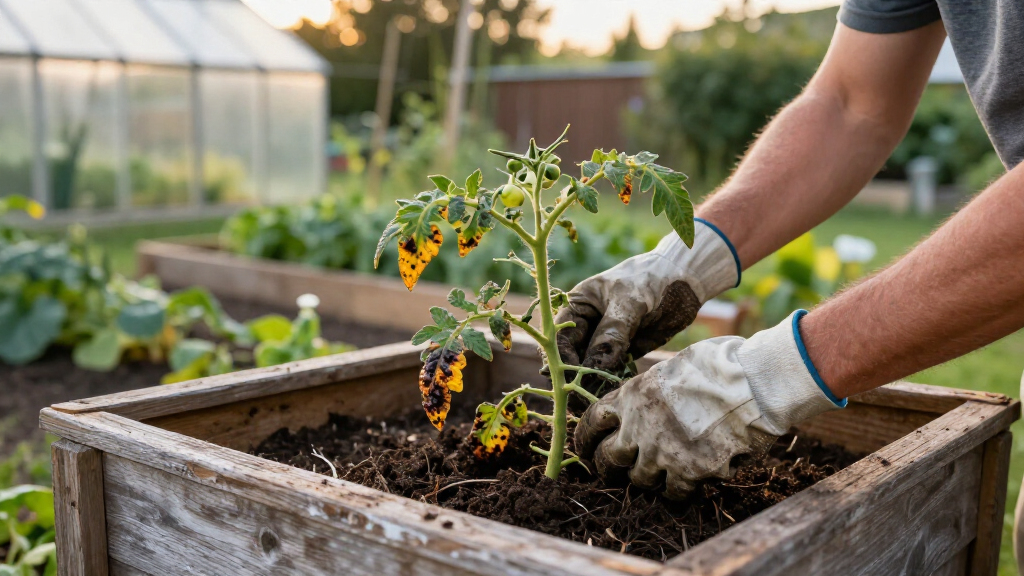
Planet Natural’s fall checklist advises gardeners to inspect the whole tomato plant before deciding how to dispose of it. Healthy, naturally declining vines can go into a managed home compost pile; plants with rapidly spreading lesions, unexplained wilt, decay or other concerning signs are better kept out of a casual backyard pile. Symptoms alone do not confirm a disease, and municipal programs have different rules.
Planet Natural’s fall tomato-plant checklist says gardeners should inspect spent vines before composting them, separating healthy, naturally declining plants from debris with signs of possible disease or heavy pest damage. The guidance matters because backyard compost piles may not heat evenly or stay hot long enough to reliably reduce pathogens, while a plant’s symptoms alone may not establish what caused them.
The report recommends examining leaves, stems, fruit, roots and the crown, then checking whether the same problem affects one plant, a section of the row or several tomatoes and peppers. Rapidly spreading lesions, dark or water-soaked stem damage, soft or sunken fruit, unexplained collapse in moist soil, and decayed roots are reasons to be cautious. The source stresses that these signs can have several causes and are not, by themselves, a diagnosis.
Vines with ordinary late-season aging or frost damage, no concerning disease pattern, no serious fruit rot and no heavy pest infestation can be added to a home pile, according to the guide. It advises removing ties and clips, chopping vines, mixing them with dry carbon-rich material such as leaves or straw, and maintaining moisture like a wrung-out sponge. Sound fruit can be composted with healthy vines; rotting dropped fruit should be picked up separately.
For plants that look broadly blighted, deteriorate quickly, or have unexplained wilt or crown and root decay, the report recommends keeping them out of a casual home pile. Bagging for trash may be the cautious choice under local rules. A municipal compost program is another possible destination only if it explicitly accepts diseased garden material; gardeners should check its current requirements first.
How Plant Disposal Affects Next Season
The decision affects both compost quality and the chance of carrying problems forward. Healthy vines can supply organic material, but adding suspicious debris to a small, cool or unevenly heated pile is not a dependable way to manage possible pathogens. The report’s practical distinction is not that every spotted leaf signals danger; it is that uncertain or severe symptoms warrant a more conservative disposal route.
Keeping notes about which plants wilted, where they grew and whether nearby crops showed similar signs can also help with next year’s planting and diagnosis. If the cause could change crop choices or treatment, the guide suggests photographing the plant and asking a local nursery rather than treating a visual guess as certain.
garden compost bin for vegetable plants
As an affiliate, we earn on qualifying purchases.
As an affiliate, we earn on qualifying purchases.
A Whole-Plant Fall Inspection
The source frames the decision as a three-way choice: home compost, an accepting municipal program, or trash. It advises inspecting on a dry day and looking beyond a single leaf. Older lower leaves may yellow as the season ends, but widespread new damage, unusual stem lesions, fruit symptoms and the condition of the crown can change the assessment.
Potential warning signs include fast-spreading dark patches, target-like leaf lesions, powdery growth, distorted new leaves and mosaic-like color. The report notes that late blight, early blight and Septoria leaf spot can produce lesions, while drought, nutrient imbalance, herbicide injury, insects and other diseases can cause overlapping symptoms. Pattern and progression provide useful clues, but they cannot confirm a pathogen without further diagnosis.
A hot, well-managed compost pile can reduce many plant pathogens, the source says, but most backyard piles do not heat evenly or remain hot long enough for gardeners to rely on as a sanitation method. That is why its guidance reserves home composting mainly for material that appears healthy rather than using heat as a remedy for uncertain debris.
Symptoms Do Not Confirm Disease
The supplied guidance does not identify a specific disease in any particular plant, and it gives no laboratory findings or confirmed diagnoses. Yellowing, wilt, spots, powdery growth and distorted foliage can arise from more than one cause. A plant that looks damaged should not automatically be labeled infected, but uncertainty is also not proof that composting is safe.
The report’s recommendations are general and do not replace local disposal rules or expert diagnosis. Municipal programs may differ in what they accept, and the source does not establish whether a particular facility can process diseased tomato debris. It also does not provide a full diagnosis guide for every possible symptom or pest.
Check Locally Before Disposal
Before moving questionable vines, gardeners should check the current rules of their municipal yard-waste program. If a diagnosis could affect what to grow or how to manage the bed next year, the report recommends photographing the plant and contacting a local nursery. For plants with severe or unexplained symptoms, keep the debris out of a casual home pile and follow local trash guidance.
For healthy vines, remove reusable ties, chop the material, mix it with dry leaves or another carbon-rich input, and turn the pile as it settles. Pick up rotting fruit and keep a simple record of affected plants and bed locations to inform next season’s decisions.
Key Questions
Can healthy tomato vines go in a home compost pile?
Yes, according to the guide, if vines show normal end-of-season decline and no concerning disease pattern, serious fruit rot or heavy pest infestation. Chop them and mix them with dry, carbon-rich material rather than leaving them as a wet mat.
Should tomato plants with leaf spots be composted?
Leaf spots alone do not establish a diagnosis. Check whether damage is spreading, whether stems or fruit are affected and whether other plants show the same pattern. If the plant appears broadly blighted or the cause remains unclear, keep it out of a casual backyard pile.
Does a hot compost pile kill tomato diseases?
The report says a properly managed hot pile can reduce many plant pathogens, but backyard piles may not heat evenly or stay hot long enough. Do not rely on an uncertain home pile to sanitize suspicious vines.
Can a municipal compost program take diseased tomato plants?
Some programs may accept diseased garden material, but rules vary. Ask the local program whether it accepts the debris before bringing or sending it.
What should I do with tomato plants that wilted suddenly?
Sudden wilt can have several causes, including dry soil, damaged roots and disease. If the soil was adequately moist or the crown and roots are decayed, the guide recommends conservative disposal and avoiding movement of soil from around the root ball into a new tomato bed.
Source: rss
Halloween Picks
halloween
As an affiliate, we earn on qualifying purchases.