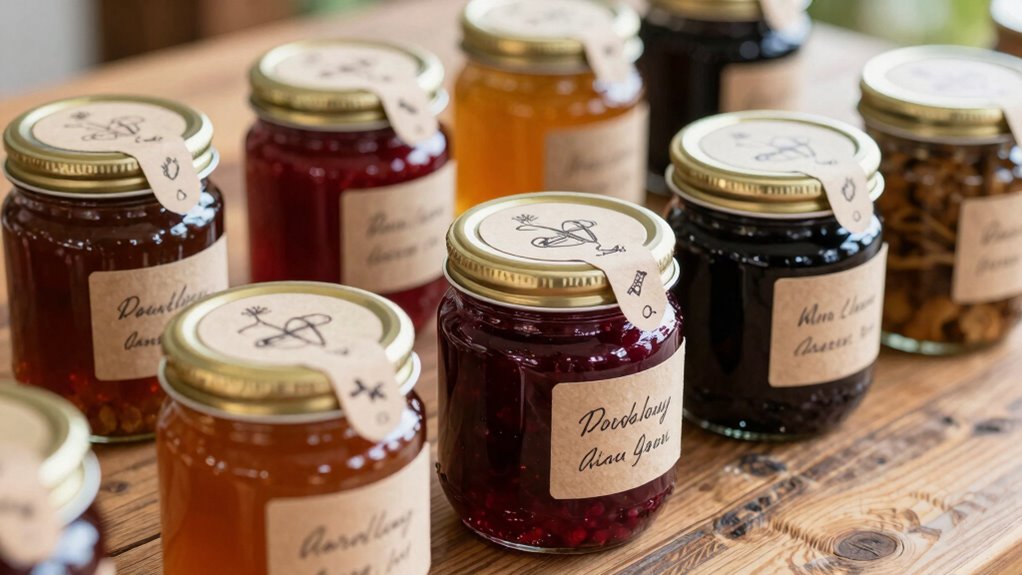

To label preserved wild foods properly, include the common name, preservation date, and ingredients clearly on waterproof labels. Specify the preservation method and any potential allergens or toxins. Use durable, legible labels and organize jars with a numbering system or master list for easy tracking. Follow local safety regulations and regional foraging laws to stay compliant. To guarantee safety and efficiency, the key steps for accurate labeling are essential—you’ll discover more tips as you go further.

Get garden gear delivered free with Prime
- Fast, free delivery on millions of items
- Prime Video, Amazon Music and more included
- Member-only deals all year
Key Takeaways
- Include common name, preservation date, and batch number for easy identification and freshness tracking.
- Clearly list ingredients, preservation method, and any potential allergens or toxins.
- Use waterproof, durable labels with legible writing for safety and longevity.
- Follow regional food safety regulations and processing instructions to ensure compliance.
- Maintain a master inventory list and consistent labeling standards for organized management.
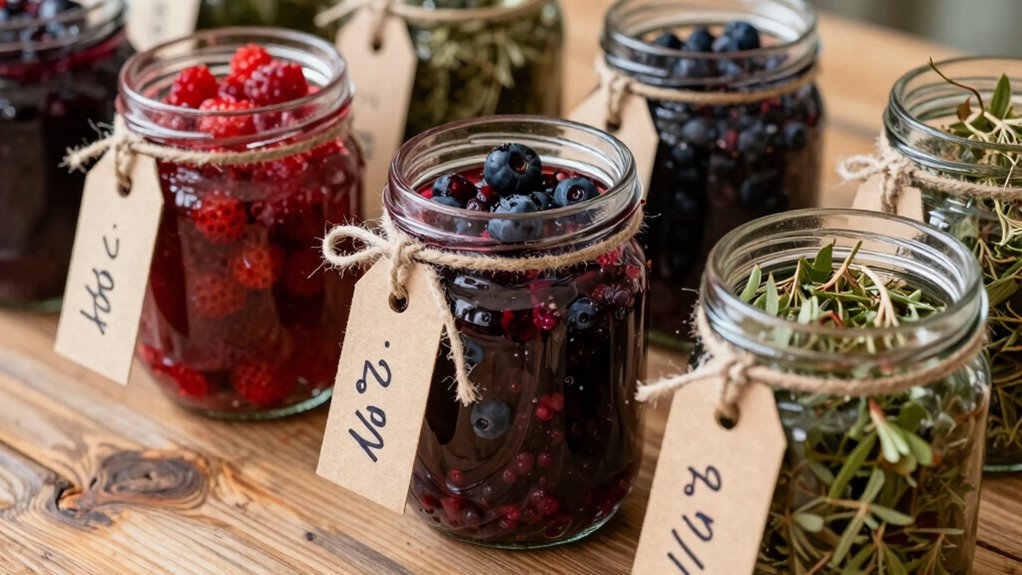
As you prepare your labels, focus on accuracy. Include the common name of the wild food, such as “Wild Blackberry Jam” or “Stinging Nettle Pesto,” along with the date when you preserved it. This helps you track freshness and plan for consumption before spoilage risks increase. If you’re following specific food safety regulations, check if there are any additional labeling requirements. These might include the method of preservation, ingredients, or even warnings about potential allergies or toxins. For example, some wild mushrooms are edible only if prepared correctly, so your labels should clearly specify how they’ve been processed. Proper labeling also minimizes the risk of accidental consumption of unsafe or misidentified foods, which is especially important if you share your preserved foods with others. Using accurate labeling practices is essential for ensuring safety and proper use over time.
In addition to safety, clarity is key. Use waterproof, durable labels that won’t smudge or fade over time. Write legibly and include all necessary information in a straightforward manner. If you’re storing multiple jars of wild foods, consider a numbering system or a master list that details each item. This way, you can quickly reference what each jar contains without opening it. *Furthermore*, maintaining consistent formatting in your labels helps you develop a systematic approach, making your preservation process more organized and efficient. This consistency also helps prevent oversights and ensures all critical information is included. Incorporating labeling standards can further enhance your organization and safety practices. Paying attention to food safety regulations and guidelines ensures your preserved wild foods remain safe and compliant with applicable standards. Additionally, understanding the regional foraging laws can help you stay compliant with local regulations when collecting wild ingredients. When you follow these practices, you’re not just complying with regulations—you’re also creating a reliable system that preserves the safety and quality of your wild foods for future use. Proper labeling ultimately safeguards your health and enhances your wild foraging experience, making sure every jar is both safe and easy to identify.
waterproof food labels for preserving jars
As an affiliate, we earn on qualifying purchases.
As an affiliate, we earn on qualifying purchases.
Frequently Asked Questions
What Materials Are Best for Eco-Friendly Labels?
You should choose eco-friendly labels made from biodegradable materials like recycled paper or plant-based plastics. Opt for biodegradable adhesives that break down naturally, reducing environmental impact. Use plant-based inks for printing, as they’re non-toxic and sustainable. These materials guarantee your labels are eco-conscious, aligning with sustainable practices. By selecting biodegradable adhesives and plant-based inks, you’re helping preserve the environment while clearly marking your preserved wild foods.
How Long Can Preserved Wild Foods Be Safely Stored?
Think of preserved wild foods as treasures, lasting longer with proper care. Generally, if you use good preservation techniques like canning or freezing, your foods can stay safe for 1 to 2 years. Proper storage durations depend on the method—vacuum-sealed jars might last longer, while fresh-freezing keeps flavors intact. Always check for signs of spoilage, like off smells or mold, before enjoying your wild harvest treasures.
Should Labels Include Nutritional Information?
Yes, your labels should include nutritional information to guarantee nutritional accuracy for consumers. This helps people make informed choices about their wild foods. Also, consider label durability; choose waterproof or weather-resistant materials to prevent smudging or peeling over time. Clear, accurate labels not only promote safety but also demonstrate your commitment to quality and transparency, making your preserved wild foods more trustworthy and appealing.
How to Prevent Labels From Peeling or Fading?
To prevent labels from peeling or fading, you should use a strong, weather-resistant label adhesive designed for outdoor or food storage conditions. Opt for labels made from durable, waterproof materials like vinyl or polyester, which enhance label durability. Before applying, guarantee the surface is clean and dry. Applying the label smoothly without air bubbles also helps, and consider sealing the label with a clear, protective coating for added longevity.
Are There Legal Requirements for Labeling Wild Foods?
Ever wondered if there are legal rules for labeling wild foods? Yes, when you’re wild foraging, you must follow legal compliance to avoid issues. Regulations often require clear labels that identify the food source, harvest date, and any potential allergens. Are you aware of local or national laws? Proper labeling not only keeps you compliant but also ensures consumers trust your products. Always check with authorities before selling or sharing wild foods.
Conclusion
Remember, labeling your preserved wild foods isn’t just about organization—it’s about honoring nature’s gifts and ensuring safety. Think of each label as a badge of respect for the wild ingredients you’ve lovingly preserved. I once found a jar of wild berries years later, still vibrant and untouched, reminding me that proper labeling keeps memories and safety intact. Treat your wild foods with care, and they’ll reward you with nourishment and stories for years to come.
Fall yard work Picks
leaf blowers
As an affiliate, we earn on qualifying purchases.