For wild foods, choosing the right container keeps your harvest fresh and safe. Use shallow, wide-mouthed baskets or breathable mesh for berries and herbs to promote airflow and prevent crushing. Ventilated containers or perforated baskets work well for mushrooms and leafy greens, while airtight containers help preserve freshness and prevent contamination. Opt for eco-friendly options like stainless steel, glass, or biodegradable plastics. Want to know how to select containers for specific wild foods? Keep exploring for more tips.
Key Takeaways
- Use shallow, wide-mouthed containers for berries and small fruits to promote airflow and prevent crushing.
- Choose breathable mesh or perforated containers for leafy greens and herbs to keep them crisp.
- Select ventilated or perforated containers for mushrooms to prevent moisture buildup and spoilage.
- Opt for airtight, non-porous containers to preserve freshness and prevent cross-contamination during storage.
- Prioritize eco-friendly materials like stainless steel, glass, or biodegradable plastics for sustainability and safety.
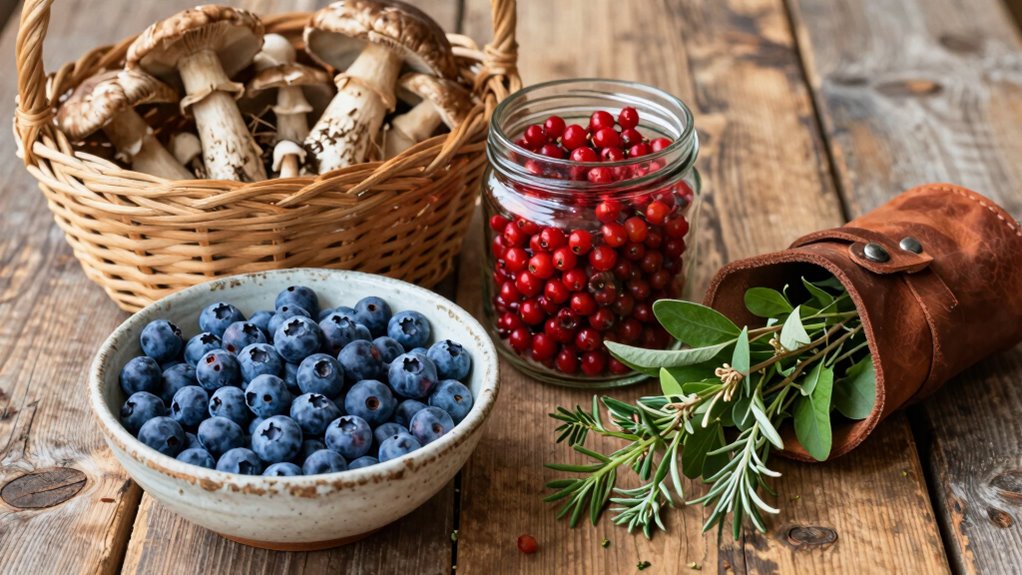
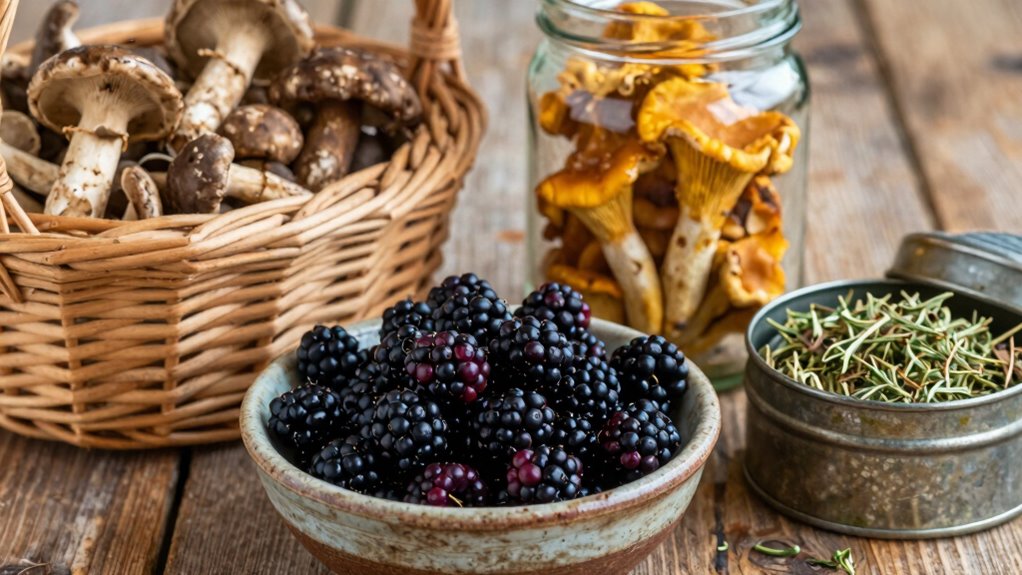
When foraging for wild food, choosing the right container is vital to keep your harvest fresh and protected. The container you select can greatly impact the quality and safety of your wild foods, so it’s worth considering how to deal with container contamination and the benefits of choosing eco-friendly materials. The importance of selecting non-porous and easy-to-clean containers cannot be overstated, as these help prevent the transfer of residues or pathogens. When dealing with container contamination, it’s imperative to thoroughly clean and disinfect your containers after each use, particularly if you’re harvesting different types of wild foods or from varied locations. This practice is essential for maintaining food safety and preventing cross-contamination. Additionally, understanding container contamination and how to prevent it is crucial for maintaining food safety and quality in foraging practices. Choosing sustainable containers made from natural or recycled materials not only benefits the environment but also guarantees you’re using safe, non-toxic containers. Many traditional containers, like single-use plastics, can leach chemicals into your food or linger in landfills for centuries. Sustainable options like stainless steel, glass, or BPA-free biodegradable plastics reduce your ecological footprint and often offer better durability. Stainless steel, in particular, is highly resistant to contamination and easy to clean, making it ideal for repeated use. Glass containers provide a completely inert surface, so they won’t impart flavors or chemicals, and they’re fully recyclable. When selecting containers, prioritize those made from natural or recycled materials to minimize your environmental impact. Additionally, lightweight and durable containers are practical for foraging expeditions, especially when you’re carrying your harvest over rough terrain. The right container also depends on the type of wild food you’re collecting. For berries or small fruits, shallow, wide-mouthed baskets or containers promote airflow and prevent crushing. For leafy greens or herbs, breathable mesh or perforated containers help keep the produce crisp and fresh. Mushrooms require containers with good ventilation to prevent moisture buildup, which can lead to spoilage. Proper storage conditions and choosing containers that facilitate proper airflow, moisture control, and easy access are key to maintaining the freshness and safety of your wild foods. To further enhance food safety, selecting containers with airtight seals can help prevent contamination from external elements and preserve the quality of your harvest. By considering the material composition of your containers and combining thoughtful selection of eco-friendly materials with diligent cleaning practices to deal with container contamination, you guarantee your wild foods stay safe, fresh, and environmentally responsible from harvest to table.
As an affiliate, we earn on qualifying purchases.
Frequently Asked Questions
How Do Container Materials Affect Wild Food Preservation?
Container materials greatly impact wild food preservation by influencing insulation and durability. You’ll want containers with good insulation to keep foods fresh longer, especially in varying temperatures. Durable materials like stainless steel or tough plastics resist damage and contamination. Avoid fragile or porous materials that can crack or harbor bacteria. By choosing containers with proper insulation and high material durability, you guarantee your wild foods stay safe, fresh, and preserved effectively during storage and transport.
Are There Eco-Friendly Container Options for Wild Food Storage?
Think of eco-conscious storage as a seed for a greener future. Yes, there are eco-friendly container options for wild food storage, like biodegradable wraps, glass jars, and reusable silicone bags. These wild food packaging choices symbolize respect for nature and sustainability. By choosing eco-conscious storage, you’re protecting wild foods and nurturing the environment, ensuring future generations can enjoy nature’s bounty just as you do today.
Can Containers Be Reused Safely After Harvesting Wild Foods?
Yes, you can reuse containers safely after harvesting wild foods if they’re durable and thoroughly cleaned to prevent food contamination. Focus on container durability to guarantee they withstand repeated use without damage. Always wash containers with hot, soapy water and sanitize them when necessary. Avoid reusing containers that show cracks or damage, as they can harbor bacteria, risking food contamination. Proper cleaning keeps your wild food storage safe and eco-friendly.
What Size Containers Are Best for Different Wild Food Quantities?
Like Goldilocks searching for the perfect fit, you should choose container sizes that match your wild food harvest. For small quantities, a lightweight, compact container preserves wild food flavor without adding bulk. For larger harvests, opt for bigger containers that prevent spoilage and make handling easier. The right size balances container weight and capacity, ensuring your wild foods stay fresh and flavorful, no matter how much you gather.
How Do Container Designs Impact Wild Food Visibility and Access?
Container design efficiency directly impacts wild food accessibility by making it easier to see and reach your harvest. Clear, shallow containers enhance visibility, so you quickly identify edible items. Well-designed lids prevent contamination while allowing quick access. You should choose containers with handles for portability and compartments for sorting different wild foods. Thoughtful design guarantees you maximize efficiency, reduce waste, and enjoy a smoother foraging experience.
Conclusion
Now that you know the ultimate containers for every wild food type, you’re practically unstoppable in the wild! With these containers, you’ll conquer every foraging adventure like a food-finding superhero, turning wild treasures into your personal feast. Forget ordinary—you’re now equipped with the best, most legendary containers that make every harvest legendary. Get out there, fill them up, and turn nature’s bounty into your epic culinary masterpiece! The wild is yours—claim it!