
TL;DR
A list of the seven longest-blooming perennials that offer continuous summer color. These plants bloom for extended periods, lasting into fall, making them ideal for vibrant gardens. Experts highlight their durability and low maintenance.
Gardening experts have highlighted the seven longest-blooming perennials that deliver nonstop summer color and continue blooming well into fall. These plants are valued for their extended flowering periods, low maintenance, and ability to keep gardens vibrant during the warmer months. The list aims to assist gardeners seeking durable, long-lasting blooms.
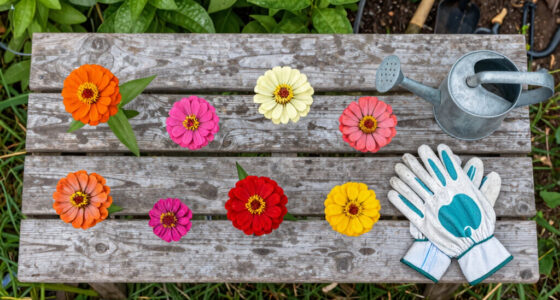
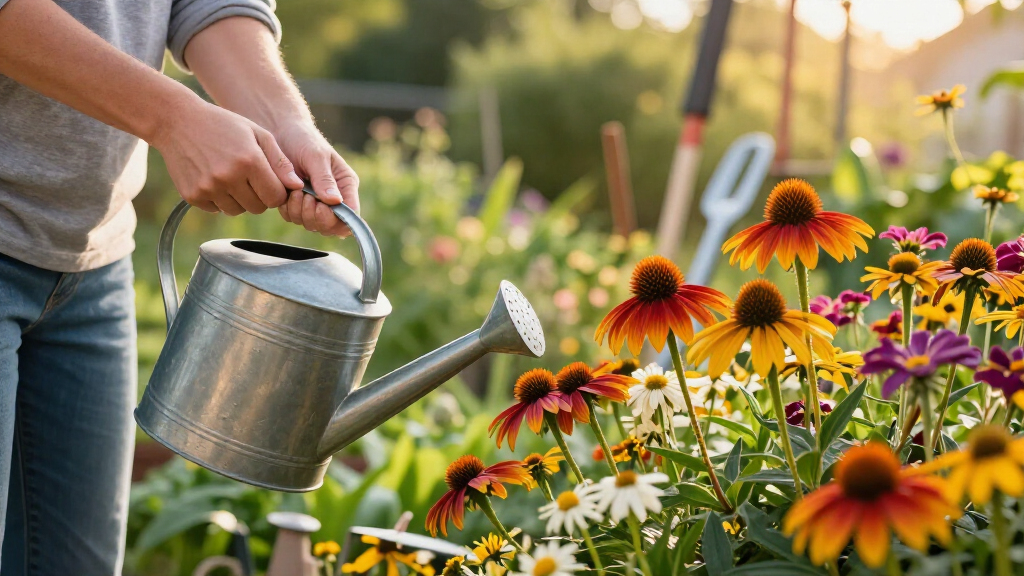
The list includes perennials such as coreopsis, coneflowers, black-eyed Susans, bee balm, garden phlox, sedum, and shasta daisies. According to horticulturists, these plants typically bloom from late spring or early summer through to late fall, with some varieties capable of blooming for up to six months. Experts emphasize that selecting these perennials can reduce the need for frequent replanting or deadheading, making them ideal for low-maintenance gardens.
According to landscape designer Emily Harper, “These perennials are perfect for gardeners looking for sustained color without constant upkeep. Their long bloom times mean less replanting and more enjoyment.” Many of these plants are also drought-tolerant and adaptable to various soil types, adding to their appeal for diverse garden settings.
Why Extended Blooming Perennials Enhance Garden Value
Choosing perennials that bloom for extended periods allows gardeners to enjoy vibrant landscapes throughout the entire summer and into fall. This reduces the need for frequent replanting, deadheading, or supplemental planting, saving time and effort. Additionally, these plants attract pollinators, supporting local ecosystems. Their durability and low maintenance make them especially valuable for gardeners seeking sustainable, year-round color with minimal effort.
As an affiliate, we earn on qualifying purchases.
Long-Lasting Blooms: Trends and Gardening Tips
In recent years, gardeners have prioritized plants that provide prolonged visual interest, especially amid changing climate conditions and increased interest in sustainable gardening. The focus on long-blooming perennials aligns with trends toward low-maintenance, eco-friendly landscapes. Historically, many traditional perennials bloom for shorter periods, but advances in plant breeding have expanded the bloom duration of popular species, making them more reliable for continuous color.
“These perennials are game-changers for gardeners who want sustained beauty without the hassle of frequent replanting.”
— Horticulturist Sarah Mitchell
Unanswered Questions About Long-Blooming Perennials
While the list highlights popular long-blooming perennials, it is not yet clear how these plants perform across all USDA hardiness zones or under extreme weather conditions. Variations in soil quality, climate, and garden care can influence bloom duration. Additionally, some varieties may require specific pruning or care techniques to maximize their flowering period, which is not detailed here.
Next Steps for Gardeners Choosing Long-Lasting Blooms
Gardeners are encouraged to select perennials suited to their local climate and soil conditions. Experts suggest consulting local nurseries or horticultural extension services for zone-specific recommendations. Future research may focus on developing even more resilient, long-blooming varieties and providing detailed care instructions to maximize their flowering periods.
Key Questions
Which perennial blooms the longest during summer?
According to gardening experts, coreopsis, coneflowers, and black-eyed Susans are among the top performers for extended summer blooms.
Are these perennials suitable for all climates?
Most of these plants are adaptable, but their performance can vary based on local climate and soil conditions. It is best to consult local gardening resources for zone-specific advice.
Do these plants require special care to bloom longer?
While generally low-maintenance, some varieties benefit from deadheading and proper pruning to prolong flowering. Specific care instructions depend on the plant species.
Can these perennials attract pollinators?
Yes, many of these long-blooming perennials attract bees, butterflies, and other pollinators, supporting local ecosystems.
Source: rss