TL;DR

Get garden gear delivered free — and shop member deals
- Fast, free delivery on millions of items
- Access to Prime Big Deal Days deals on October 6–7
- Prime Video, Amazon Music and more included
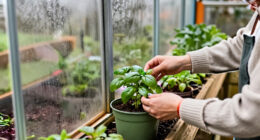
Six herbs can be planted in August that will continue to grow into the fall, providing fresh flavors beyond summer. This allows gardeners to extend their harvest without additional planting efforts.
Gardening experts advise planting six specific herbs in August that will continue to grow as summer fades, enabling gardeners to enjoy fresh, homegrown flavors into the fall without replanting.
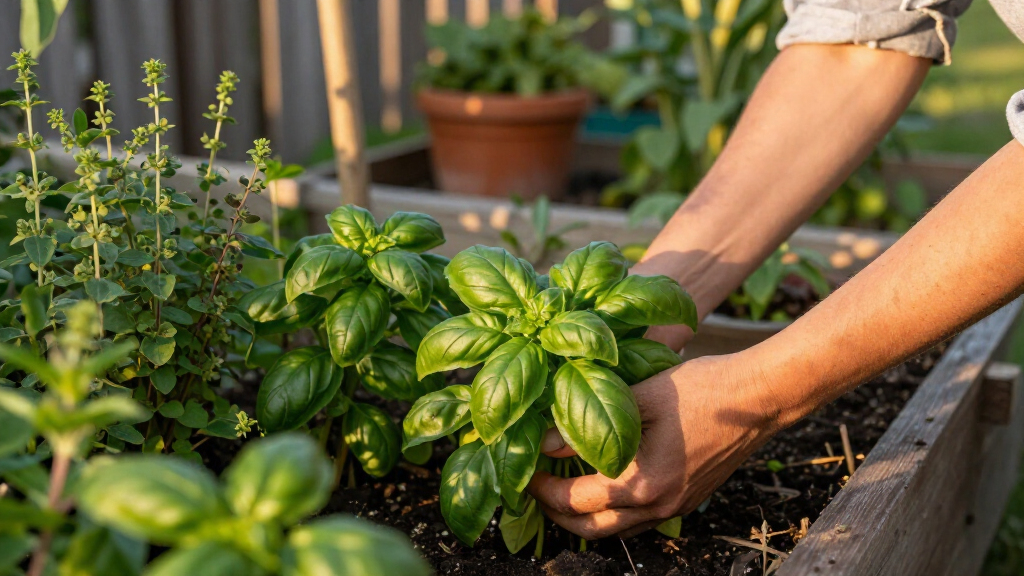
According to recent gardening guidance, six herbs—cilantro, chives, mint, parsley, thyme, and oregano—can be sown in August and will sustain growth into cooler months. These herbs are known for their resilience and ability to thrive in late-season conditions, making them ideal choices for extending the harvest.
Experts emphasize that planting these herbs now can reduce the need for replanting later in the year, providing a continuous supply of fresh herbs for cooking and garnishing. The advice is based on their hardiness and adaptability to varying temperatures, with some, like mint and chives, growing vigorously even as temperatures drop.
Gardeners are encouraged to use well-draining soil, ensure adequate sunlight, and consider mulching to protect these herbs during colder weather, maximizing their longevity into autumn and early winter.
Why Planting These Herbs in August Matters for Home Gardens
Planting these six herbs in August allows gardeners to extend their growing season, ensuring a supply of fresh herbs well into fall. This reduces reliance on store-bought herbs, which often lack flavor and freshness. Additionally, maintaining a continuous harvest can save money and enhance home-cooked meals.
Moreover, these herbs are easy to care for and suitable for both novice and experienced gardeners, making them accessible options for year-round herb gardening. The practice supports sustainable gardening by reducing waste and encouraging self-sufficiency.
As an affiliate, we earn on qualifying purchases.
Late Summer Gardening Tips for Year-Round Herb Growth
Traditionally, herb planting peaks in spring and early summer, with many gardeners unaware that some herbs can be successfully planted in late summer. Recent advice from gardening experts highlights that certain hardy herbs can be sown in August, thriving into the cooler months. This approach aligns with broader trends toward extending growing seasons and maximizing garden productivity.
Previous years have seen increased interest in fall gardening, partly driven by the desire for fresh produce and herbs during the colder months. The current guidance builds on this trend, offering practical tips for late-season planting and care.
“Plantting these herbs in August can significantly extend your harvest, giving you fresh herbs into late fall with minimal effort.”
— Sarah Johnson, horticulturist
Uncertainties About Long-Term Herb Growth in Cooler Weather
While experts agree these herbs can be planted in August and will grow into fall, it remains unclear how well they will survive prolonged cold temperatures or winter frosts in different regions. The specific duration of active growth and the need for additional protection or indoor overwintering are still being studied.
Gardening conditions such as soil quality, sunlight, and local climate variations may also influence how successfully these herbs persist beyond early autumn.
Next Steps for Gardeners and Seasonal Planning
Gardeners are advised to plant these herbs now and monitor their growth as temperatures decline. Implementing protective measures like mulching or moving herbs indoors could prolong their viability. Future updates from horticultural experts may provide more detailed guidance on overwintering strategies and regional adaptations.
Additionally, gardeners should consider planting additional herbs or vegetables suited for colder weather to maximize their garden’s productivity into winter.
Key Questions
Which herbs are best suited for planting in August?
The six recommended herbs are cilantro, chives, mint, parsley, thyme, and oregano, known for their resilience and ability to grow into fall.
Can these herbs survive winter outside?
Their survival depends on local climate conditions. Some, like mint and chives, may persist with protection, but others might need to be moved indoors or protected with mulch or covers during colder months.
Do I need special care for these herbs in late summer?
Yes, ensure they are planted in well-draining soil, receive adequate sunlight, and consider mulching to protect roots from cold temperatures and prolong growth.
When should I harvest these herbs for best flavor?
Harvest regularly once the herbs have established good growth, ideally in the morning when essential oils are most concentrated, for peak flavor.
Will planting herbs in August reduce my overall gardening effort?
Yes, planting now can extend your harvest season, reducing the need for replanting later and providing fresh herbs into the cooler months with minimal additional effort.
Source: rss
Halloween Picks
halloween
As an affiliate, we earn on qualifying purchases.