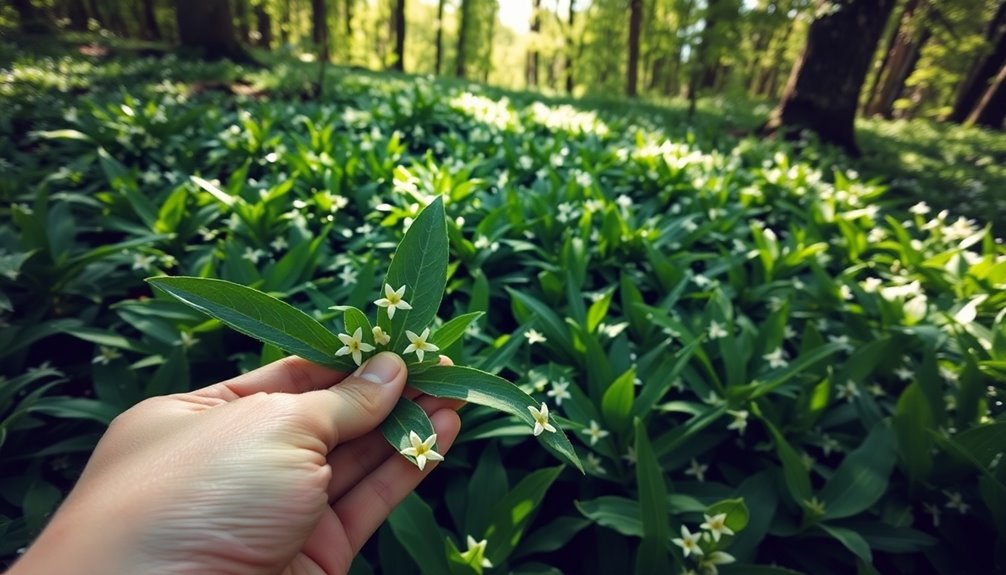
In disturbed soils, you can reliably find hardy edible plants like dandelions, plantain, and yarrow, which thrive in poor, disrupted conditions. These herbs grow quickly and often have distinctive leaves or flowers, making them easier to identify. You might also come across delicious fungi such as chanterelles and morels, which prefer decaying organic matter. If you’re enthusiastic to uncover more resilient plants suited for these conditions, you’ll discover plenty of useful information ahead.

Get garden gear delivered free with Prime
- Fast, free delivery on millions of items
- Prime Video, Amazon Music and more included
- Member-only deals all year
Key Takeaways
- Hardy plants like plantain, yarrow, and dandelion quickly colonize disturbed soils and are safe to harvest with proper identification.
- Edible fungi such as chanterelles and morels often grow in decaying organic matter and disturbed areas after rainfall.
- Focus on resilient plants with distinctive leaves and growth habits, which thrive in nutrient-poor, moist, and minimally competitive environments.
- Proper identification is crucial, as many edible plants and fungi have toxic look-alikes in disturbed soils.
- Forage in areas with decayed wood, leaf litter, and minimal pollution, ensuring safe and reliable edible plant sources.
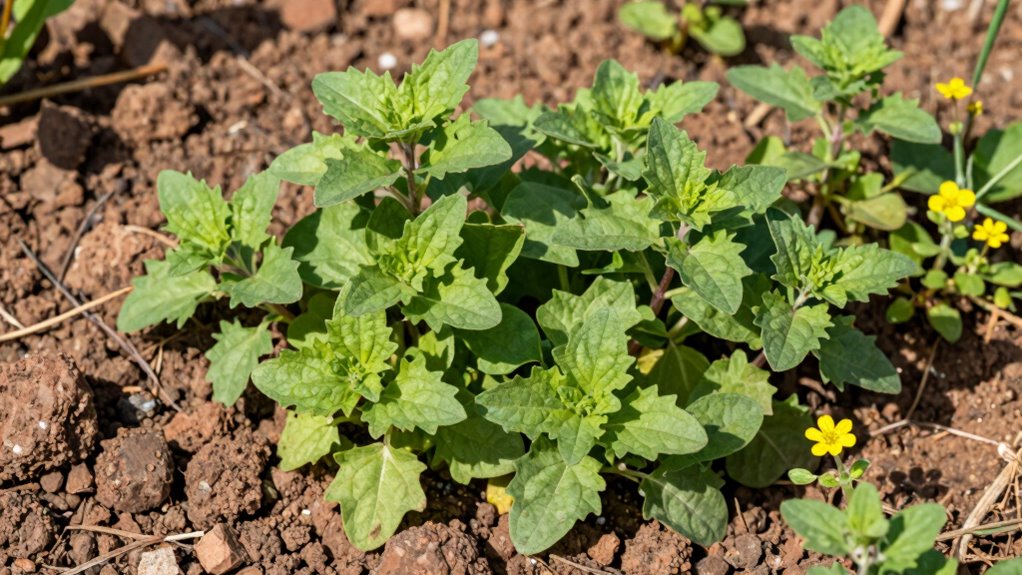
When soil is disturbed by construction, erosion, or natural events, it often appears unlikely to support edible plants. However, some plants have a remarkable ability to thrive in such altered environments, making them reliable options when you’re exploring disturbed land. Among these resilient options are wild edible fungi, which often sprout in areas with decaying organic matter and disturbed soil. You might find mushrooms like chanterelles, morels, or certain polypores emerging after rainfall or during specific seasons. These fungi can be safe to harvest if you’re confident in your medicinal herb identification skills, as many edible varieties have look-alikes that are toxic. Learning to distinguish edible wild fungi from poisonous counterparts is essential, especially in disturbed environments where growth patterns may be unpredictable.
In addition to fungi, some pioneering medicinal herbs tend to colonize disturbed soils quickly. Plants like plantain, yarrow, and dandelion are often first to appear in areas where the soil has been disrupted. These herbs are not only edible but also possess medicinal properties, making them valuable for both nutrition and herbal remedies. Their hardy nature allows them to withstand poor soil quality and variable moisture levels. When identifying these plants, focus on their distinctive leaves, growth habits, and flowering patterns. Proper identification guarantees you’re harvesting safe, beneficial herbs, especially if you’re using them for medicinal purposes.
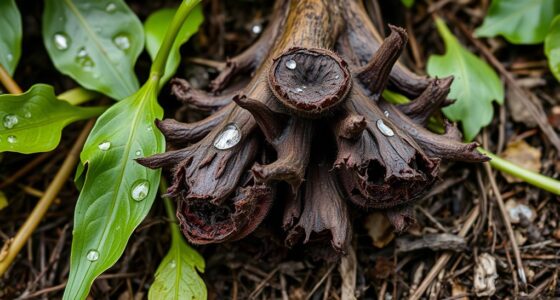
You’ll also want to pay attention to the soil’s condition. Although disturbed soil may lack nutrients, these resilient plants have adapted to survive with minimal resources. Wild edible fungi, in particular, thrive in moist, decaying organic matter, which often accumulates in disturbed areas. Similarly, medicinal herbs tend to grow in areas with minimal competition, filling ecological niches quickly. When foraging in such environments, look for mushrooms growing on decayed wood or in leaf litter, and keep in mind that many herbs prefer disturbed ground but are still sensitive to pollution or contamination.
Popular right now

Shark Navigator Robot Vacuum with Self-Empty Base, Dark Grey (RV2120AE)

Bose QuietComfort Headphones (2nd Gen), Wireless Noise-Cancelling Over-Ear Headphones, Eucalyptus Green

Breville Bambino Espresso Machine, Brushed Stainless Steel
As an affiliate, we earn on qualifying purchases.
Frequently Asked Questions
Are These Plants Safe for Children to Eat?
Yes, these edible plant varieties are generally safe for children to eat, but you should always consider pesticide safety first. Wash all plants thoroughly before offering them to kids, especially if you’re unsure about pesticide residues. It’s best to stick with trusted, organic sources whenever possible. Teaching children to recognize safe, edible plants can also help prevent accidental ingestion of non-edible or harmful varieties.
How Quickly Do These Plants Establish in Disturbed Soil?
Think of these plants as quick-footed explorers, enthusiastic to settle into new territory. Typically, their plant establishment timeline spans a few weeks to a couple of months, depending on the plant and conditions. Soil disturbance impact can either speed up or slow down this process. With proper care, you’ll see green shoots emerge faster, transforming disturbed soil into a thriving patch of edible bounty in no time.
Can These Plants Be Grown Indoors?
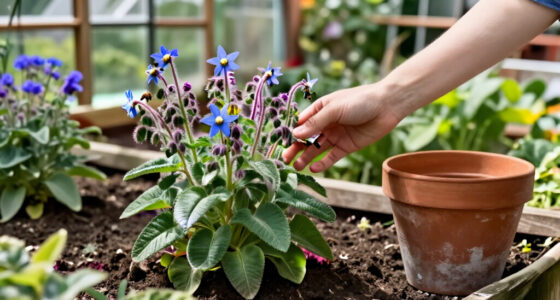
Yes, you can grow these plants indoors through container gardening and indoor cultivation. Use pots with proper drainage, and place them where they receive adequate sunlight—like a south-facing window. Keep the soil moist and guarantee good airflow. Many of these plants thrive indoors, making them a reliable food source even in limited space. With proper care, you’ll enjoy fresh, edible plants right in your own home.
Do They Require Special Soil Amendments or Fertilizers?
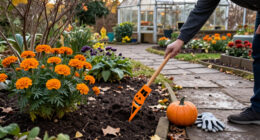
Imagine planting dandelions in a neglected yard; they thrive without special amendments. Most edible plants in disturbed soil don’t need complex soil amendments or fertilizers. However, understanding their soil nutrient requirements helps optimize growth. Typically, you’ll need to adjust fertilizer application frequency based on soil quality—more frequent for nutrient-poor soil, less for already fertile ground. Regular, moderate fertilization encourages healthy development without overdoing it.
Are Any of These Plants Invasive in Certain Regions?
Some of these edible plants can be invasive species in certain regions, so you should check regional plant adaptability before planting. Invasive species spread rapidly and can threaten local ecosystems. Always research local regulations and consult regional guides to guarantee you’re not introducing invasive plants unintentionally. By understanding the regional plant adaptability, you help protect native species and maintain ecological balance while still enjoying reliable, edible plants suited to disturbed soils.
Conclusion
When the land’s been through a rough patch, it’s worth knowing which edible plants quietly thrive in such conditions. These resilient greens might just be the gentle whispers of nature’s endurance, offering sustenance when others fade away. Keep an eye out for their subtle promise — they’re the quiet heroes of disturbed soil, ready to nourish you when you least expect it. In their humble presence, even the toughest ground can yield a bountiful secret.