TL;DR

Get garden gear delivered free with Prime
- Fast, free delivery on millions of items
- Prime Video, Amazon Music and more included
- Member-only deals all year
Hostas do not need to be cut back on a fixed fall date. Chicago Botanic Garden horticulturist Heather Sherwood advises waiting until frost has yellowed and collapsed the leaves, then removing them; clearing dead foliage is especially useful for gardeners who have had slug problems.
Wait for frost damage rather than cutting healthy hosta leaves early. Sherwood told Country Living that after a killing frost—around 30 degrees Fahrenheit or colder—the leaves can fall over and become matted. The report says larger hostas, particularly those with leaves 18 inches or more, are prone to lying down after frost.
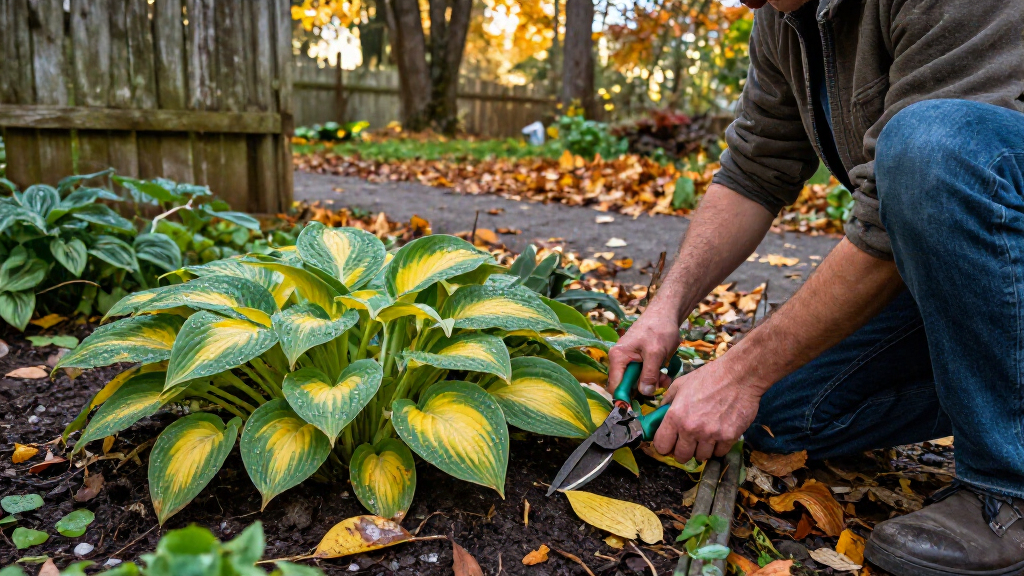
Once the foliage has yellowed and fallen over, gather it together and cut it about one inch above the ground, Sherwood advises. Hostas are difficult to damage during this process because their growing points, or eyes, sit deep within the plant. The removed leaves can be chopped and composted, according to the report.
Clearing dead leaves is especially relevant where slugs have been a problem. The report says slugs lay eggs in soil beneath hostas and that removing foliage and leaf litter can disrupt their shelter and expose eggs to drying. Sherwood also says collapsed, wet foliage can provide habitat for fungal diseases, mice and voles as it remains in the garden.
Removing Foliage Can Limit Slug Shelter
Fall cleanup is more than a matter of appearance for gardeners whose hostas have suffered slug damage. The report links the removal of dead foliage and leaf litter with reducing shelter for slugs and helping expose overwintering eggs to drying. That makes cleanup a preventive measure, not a guarantee that slugs will be absent next spring.
Leaving collapsed leaves in place can also make beds look untidy and, as Sherwood describes, produce a slimy layer as the foliage decomposes. For gardeners with many perennials to manage, knowing that hostas can wait until frost damage provides a clear timing cue: do not cut them back while the leaves are still healthy, but remove them once they have yellowed and fallen.
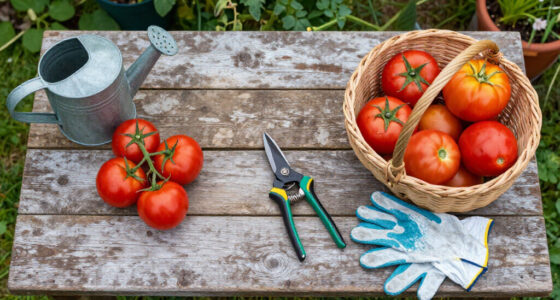
bypass pruning shears for cutting back hostas
As an affiliate, we earn on qualifying purchases.
As an affiliate, we earn on qualifying purchases.
Frost Sets the Pruning Timing
Hostas are shade-loving perennials grown for foliage in varied sizes and colors. Their leaves provide garden interest through the growing season, but that changes after cold weather. Country Living’s report describes the post-frost foliage as prone to falling over and matting down, particularly on larger plants.
The report presents fall pruning as a choice based on the condition of the leaves and garden needs, rather than a requirement to cut every hosta back on a particular calendar date. It also notes that some gardeners put off perennial cleanup until spring amid other fall chores. Sherwood’s guidance is to remove hosta foliage after it has turned yellow and collapsed; gardeners with a history of slug damage have an added reason to clear it in fall.
““Hostas do have a pretty yellow color in the fall, but once we have a killing frost—around 30 degrees or colder—they fall over and get matted down.””
— Heather Sherwood, senior horticulturist at the Chicago Botanic Garden, quoted by Country Living
No Fixed Date Fits Every Garden
The report gives no single calendar date for pruning, since the recommended timing depends on when frost damages the foliage. It also does not quantify how much fall leaf removal reduces slug numbers or fungal disease, and clearing leaves should not be treated as a guarantee against either problem. The guidance describes potential benefits and garden conditions, not a measured trial.
Gardeners should judge the plants themselves: the advice is to wait until leaves have yellowed and fallen over. The report does not specify a different pruning method for particular hosta varieties beyond noting that larger leaves tend to collapse after frost.
Check Leaves After the First Frost
After frost, inspect hostas for yellowed, collapsed foliage. If the leaves have fallen over, gather them and cut them about an inch above the soil, then compost the material if suitable for the garden’s composting practices. Gardeners who saw slug damage this year can also clear surrounding leaf litter as part of fall cleanup.
If the foliage remains upright and healthy, the report’s advice offers no reason to cut it early. The next step is to monitor conditions and prune once frost has caused the leaves to decline.
Key Questions
When should I cut back hostas in fall?
Wait until frost has turned the leaves yellow and caused them to fall over. The report cites about 30 degrees Fahrenheit or colder as an example of a killing frost, but plant condition is the practical cue.
How far above the ground should I cut hostas?
After gathering the collapsed leaves together, cut them about one inch above the ground, following the method recommended by horticulturist Heather Sherwood.
Does cutting back hostas prevent slugs?
Removing dead foliage and leaf litter may reduce shelter for slugs and expose eggs in the soil to drying, according to the report. It is a preventive step, not a guarantee that slugs will not return.
Can hosta leaves be composted?
Yes. The report says removed leaves can be chopped up and composted, where they break down quickly.
Source: rss
Halloween Picks
halloween
As an affiliate, we earn on qualifying purchases.