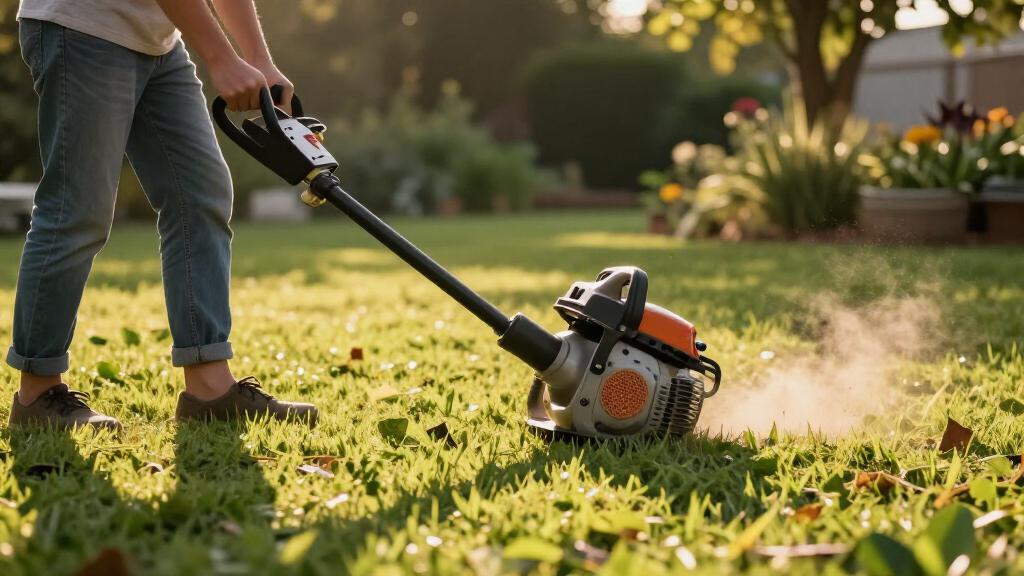

Gas powered leaf blowers remain the go-to choice when cordless models run out of steam halfway through a large property, and the biggest decision you’ll face is backpack versus handheld — raw airflow versus lightweight maneuverability. My top pick, the Husqvarna 150BT, earns the best overall slot by pairing a proven 51-cc engine with a comfortable harness system at a mid-tier price. If you want maximum power on a budget, the VEVOR 63CC backpack blower delivers an enormous 1110 CFM for far less than brand-name equivalents, while the ECHO PB-2520 is the handheld standout for smaller yards. The main tradeoffs in this category are weight, vibration, maintenance demands, and noise, and the cheapest option isn’t always the best value once you factor in engine longevity. Keep reading for the full breakdown of all 15 models.
Complete the kit


Key Takeaways
- The Husqvarna 150BT won best overall because dealer support, parts availability, and harness comfort matter more long-term than a slightly higher CFM number from a lesser-known brand.
- Several budget backpack blowers (VEVOR, PROYAMA) advertise bigger CFM figures than premium models, but those numbers come with heavier weight, more vibration, and thinner warranty coverage.
- Handheld gas blowers clustered tightly around 25-28cc, so the differentiators became vibration dampening, starting reliability, and tube ergonomics — where ECHO and Husqvarna pulled ahead of generic imports.
- The SENIX 4QL was the only 4-cycle model in the lineup, trading lower airspeed (125 MPH) for no fuel mixing and quieter operation — a real advantage for suburban users with noise restrictions.
- Anything under 400 CFM is only suitable for driveways and small lawns; buyers with half-acre-plus properties should not waste money on a handheld when a backpack eliminates the fatigue that forces you to stop early.


| gas powered leaf blower | Engine | Form Factor | Weight |
|---|---|---|---|
| VEVOR 63CC Gas Backpack Leaf B | 63CC 2-cycle gas | Backpack | 26.5 lbs |
| PROYAMA 72CC Gas Backpack Leaf | 72CC gas | Backpack | 21 lbs |
| 52cc Backpack Leaf Blower | 52CC gas | — | 17 lbs |
| HTK Gas Backpack Leaf Blower | 63CC 2-stroke gas | Backpack | 21 lbs |
| Stihl BG50 Lightweight Blower | — | Handheld / walk-behind | — |
| 25.4CC Gas Leaf Blower | 25.4cc 2-cycle gas | — | 10 lbs |
| ECHO PB-2520 25.4cc Handheld L | 25.4cc gas | Handheld | — |
| Gas Leaf Blower | — | — | 8.3 lbs |
| 28 CC Gas Leaf Blower | — | — | — |
| Lightweight Handheld Gas Leaf | — | Handheld, one-handed operation | — |
| Husqvarna 150BT Gas Backpack L | 51-cc, 2.16-HP 2-cycle | Backpack | — |
| Backpack Gas Powered Leaf Blow | 63CC 2-stroke, 2.7kW / 4.3HP | Backpack | 19.7 lbs |
| 26cc Gas Leaf Blower | 26cc 2-cycle | Handheld | 9.4 lbs |
| SENIX 4QL 26.5cc 4-Cycle Handh | 26.5cc 4-cycle | Handheld | 9.5 lbs |
| Husqvarna 125B Gas Leaf Blower | 28-cc, 1.1-HP 2-cycle | Handheld | 9.4 lbs |
More Details on Our Top Picks
VEVOR 63CC Gas Backpack Leaf Blower, 2-Cycle, 1110 CFM, 220 MPH
When the job is a half-acre of wet, matted leaves, raw air volume matters more than anything else, and this VEVOR’s 1110 CFM output is the highest in this batch by a wide margin. Compared with the PROYAMA 72CC, the VEVOR trades a bit of top-end wind speed (220 vs. 275 MPH) for sheer moving power, which is the right trade for pushing heavy leaf piles and even light snow rather than just scattering dry debris. The 1.89L fuel tank is also the largest here, so you spend less time refueling mid-job than you would with the 52cc model’s 1-liter tank.
The catch is weight: at 26.5 pounds, it’s the heaviest pick in this group, and the adjustable straps only do so much over a two-hour session.
Pros:- Highest air volume in the lineup at 1110 CFM for moving heavy, wet debris
- Largest fuel tank (1.89L) minimizes refueling stops on long jobs
- Adjustable ergonomic straps distribute the weight across the shoulders
- Accessory kit adds versatility for varied cleanup tasks
Cons:- Heaviest model in the batch at 26.5 pounds, tiring over long sessions
- 2-cycle engine requires mixing fuel and regular maintenance
Best for: Owners of large yards or small acreage who need to move huge volumes of leaves and debris quickly
Not ideal for: Anyone with a small suburban lot or limited upper-body strength — the weight and power are overkill
- Engine:63CC 2-cycle gas
- Air Flow:1110 CFM
- Max Speed:220 MPH
- Fuel Tank:1.89L
- Weight:26.5 lbs
- Form Factor:Backpack
- Uses:Leaf removal, snow removal
Our verdict“If your priority is moving the most material in the least time and you can handle the weight, this is the strongest all-around value in gas backpack blowers.”
PROYAMA 72CC Gas Backpack Leaf Blower
The PROYAMA plays a different game than the VEVOR 63CC: its 275 MPH wind speed is the fastest in this roundup, making it the better tool for dislodging stuck-on debris, packed leaves against fences, or wet snow stuck to driveways. The 72CC engine is the largest displacement here, and the dual-tube nozzle lets you switch between concentrated jet and wide-fan patterns — something the HTK 63CC doesn’t offer. Cruise control and a variable-speed throttle make it surprisingly manageable despite the muscle.
At 21 pounds it sits in the middle of the backpack weight range, but the plastic construction feels less rugged than competitors with metal-reinforced housings, and this much power is genuinely unnecessary for a typical quarter-acre lot.
Pros:- Highest wind speed in the lineup at 275 MPH for stuck-on debris
- Largest engine displacement at 72CC
- Dual-tube nozzle adapts between narrow and wide airflow patterns
- Cruise control and variable-speed throttle improve control
Cons:- Plastic construction feels less durable than metal-reinforced alternatives
- Bulky footprint is awkward in tight spaces like side yards and patios
Best for: Property owners dealing with stubborn wet debris, packed leaves, or snow who need maximum dislodging force
Not ideal for: Casual weekend users with modest yards — the power and bulk add cost and fatigue they won’t use
- Engine:72CC gas
- Air Flow:880 CFM
- Wind Speed:275 MPH
- Weight:21 lbs
- Dimensions:18″L x 14.5″W x 22″H
- Form Factor:Backpack
- Nozzle:Dual-tube
Our verdict“Choose this when velocity matters more than volume — it out-punches everything here for prying loose stubborn material.”
52cc Backpack Leaf Blower – Gas Powered 550 CFM 230 MPH
This 52cc orange blower is the entry point into backpack blowers, and at 17 pounds it’s the lightest backpack option in this batch — noticeably easier on the shoulders than the 21-pound HTK or the 26.5-pound VEVOR. The cushioned, low-vibration harness is the standout comfort feature at this price, and a two-pull start with roughly 45 minutes of runtime from the 1-liter tank covers a typical suburban cleanup without interruption.
The tradeoff is honest: 550 CFM is half of what the VEVOR moves, so wet leaf piles take multiple passes where the bigger machine clears them in one. The 78 dB noise rating is also on the loud side — louder than the HTK’s 71 dB — so early-morning use may not win you friends.
Pros:- Lightest backpack blower in the batch at 17 pounds
- Cushioned low-vibration harness reduces fatigue during longer sessions
- Up to 45 minutes of runtime per tank for typical yard jobs
- Reliable two-pull start with cruise control
Cons:- Only 550 CFM — roughly half the output of premium backpack models
- 78 dB noise level is loud for close neighborhoods
Best for: Suburban homeowners with medium yards who want backpack comfort without paying for commercial power
Not ideal for: Anyone clearing large properties or heavy wet leaves — the 550 CFM output will feel underpowered
- Engine:52CC gas
- Air Flow:550 CFM
- Max Speed:230 MPH
- Fuel Tank:1L
- Weight:17 lbs
- Noise Level:78 dB
- Runtime:Up to 45 minutes
Our verdict“The smartest way to get into a gas backpack blower cheaply, as long as your yard doesn’t demand commercial-grade airflow.”
HTK Gas Backpack Leaf Blower, 63CC 2-Stroke, 665 CFM, Max 205 MPH
Among gas blowers, noise is often the dealbreaker, and the HTK’s 71 dB rating makes it the quietest backpack choice in this lineup — a real advantage over the 52cc budget model’s 78 dB if you work early or have close neighbors. Output sits sensibly in the middle: 665 CFM at 205 MPH is well beyond the 52cc blower’s capability while avoiding the VEVOR’s shoulder-taxing 26.5-pound bulk, since this model carries its 21 pounds with an ergonomically designed harness. The variable-speed throttle and cruise control give you the precision to work near mulch beds without blasting them apart.
Its wind speed is the lowest of the backpack group, though, so it’s better suited to volume work than dislodging packed material — the PROYAMA 72CC handles that better.
Pros:- Quietest backpack blower here at 71 dB
- Balanced mid-range output of 665 CFM handles most residential jobs
- Ergonomic harness designed to reduce operator fatigue
- Variable-speed throttle with cruise control for delicate areas
Cons:- Lowest maximum wind speed among the backpack picks at 205 MPH
- 21-pound weight still tires smaller users over long sessions
Best for: Noise-sensitive neighborhoods and buyers who want solid mid-range power without the loudest engine on the block
Not ideal for: Users who need to break loose compacted wet leaves or gravel — the 205 MPH top speed lags the competition
- Engine:63CC 2-stroke gas
- Air Flow:665 CFM
- Max Speed:205 MPH
- Fuel Tank:1.7L
- Weight:21 lbs
- Noise Level:71 dB
- Form Factor:Backpack
Our verdict“The best pick when neighborly noise limits rule out louder machines but you still want genuine backpack power.”
Stihl BG50 Lightweight Blower
Everything else in this batch is a backpack machine built for volume; the Stihl BG50 takes the opposite approach — a lightweight, handheld unit aimed at quick, routine cleanup of paths, patios, and small gardens. Its main claim to a spot here is the Stihl dealer network and brand reputation: when something needs servicing, you have a real support system, which the budget brands like VEVOR and HTK can’t match. For a ten-minute sweep of the driveway, pulling on a 26-pound backpack makes no sense, and the BG50’s maneuverability wins outright.
Buyers should be clear-eyed, though: detailed airflow specs aren’t published, and this is not a machine for heavy-duty tasks. If your autumn involves raking-scale leaf volume, step up to the VEVOR or PROYAMA instead.
Pros:- Trusted Stihl brand with real dealer and service support
- Lightweight and highly maneuverable for quick tasks
- Simple operation with minimal learning curve
Cons:- No published CFM or MPH specs, making comparisons difficult
- Underpowered relative to every backpack model in this roundup
Best for: Buyers who want a trusted brand with dealer support for light, frequent cleanup around small properties
Not ideal for: Anyone with heavy leaf fall or large areas — it’s built for light duty, not moving piles
- Power Source:Gas (fuel powered)
- Form Factor:Handheld / walk-behind
- Color:Orange
- Weight Class:Lightweight
- Best Use:Leaves, dirt, and debris in small areas
- Warranty Support:Stihl dealer network
Our verdict“A sensible light-duty choice if you value brand support and easy handling over raw clearing power.”
25.4CC Gas Leaf Blower, Handheld 2-Cycle Blower, 432 CFM & 180 MPH
For shoppers who want real gas-powered performance without backpack money, this 25.4cc handheld hits a sweet spot. Its 432 CFM at 180 MPH is enough to move dry leaves and grass clippings across a typical suburban lawn, and the low-vibration design means my arms wouldn’t feel wrecked after an hour of clearing. Compared with the ECHO PB-2520, which carries a premium brand name for the same engine size, this model undercuts it on price while matching the core output numbers. The tradeoff is dealer support: ECHO has a service network, while this generic unit is essentially buy-and-hope. It also can’t touch the raw muscle of the VEVOR 63CC backpack, but for a quarter-acre lot, that machine is overkill and twice as tiring to store.
Pros:- 432 CFM / 180 MPH output rivals name-brand handhelds at a lower price
- 10 lb weight with low-vibration design reduces fatigue during longer sessions
- Starts in about 10 seconds, minimizing the usual gas-tool frustration
- Simple 1:40 fuel mix that’s easy to get right
Cons:- No dealer network or established brand support if something fails
- Requires mixing gas and oil, which electric converts often underestimate
Best for: Budget-minded homeowners with small to mid-size yards who want gas power for the price of a mid-range electric blower
Not ideal for: Buyers who want brand-backed warranty service or anyone with large, tree-heavy properties that demand backpack-class airflow
- Engine:25.4cc 2-cycle gas
- Airflow:432 CFM
- Air Speed:180 MPH
- Weight:10 lbs
- Fuel Mix Ratio:1:40 (oil to gas)
- Vibration:Low-vibration design
- Start-up:Starts in ~10 seconds
Our verdict“The smart pick for value hunters who need dependable gas airflow on a budget and don’t care about the badge on the housing.”
ECHO PB-2520 25.4cc Handheld Leaf Blower
ECHO has earned its reputation through dealer networks and engines that outlast the warranty, and the PB-2520 is the safest bet in this batch for buyers who treat a leaf blower as a decade-long purchase. The 25.4cc professional-grade engine delivers the same displacement as the budget 432 CFM unit above, but with tighter quality control and serviceable parts. What you give up is measurable: no airflow or speed figures are published here, and there’s no adjustable speed control, which the 28 CC model later in this list handles better for delicate jobs like mulch beds. Compared with the Stihl BG50, its most direct rival, the PB-2520 leans slightly more compact, though both sit above generic units on price. You’re paying for peace of mind, not headline specs.
Pros:- Professional-grade ECHO engine built for years of seasonal use
- Dealer network for service, parts, and warranty claims
- Compact, maneuverable form factor for tight spaces and flower beds
- Strong resale value compared with generic brands
Cons:- No published CFM/MPH figures, making it hard to compare objectively
- No variable speed trigger for precision work
- Higher price than equivalent-displacement generic models
Best for: Buyers who prioritize dealer support, parts availability, and long-term durability over the lowest sticker price
Not ideal for: Deal hunters comparing spec sheets — at this price, unlisted CFM and no variable speed make it look weak on paper
- Engine:25.4cc gas
- Form Factor:Handheld
- Weight Class:Lightweight handheld
- Dimensions:19″L x 17″W x 12″H
- Brand Support:ECHO dealer network
- Speed Control:Single speed (no adjustable settings)
Our verdict“The choice when reliability and serviceability matter more than raw numbers on a listing page.”
Gas Leaf Blower, 8 lbs, 2 Cycle, 7000 RPM
At 8.3 pounds, this is the lightest gas blower in the entire roundup — lighter than the Stihl BG50 territory and a full pound and a half under the 25.4cc budget units. For anyone with wrist, shoulder, or arm limitations, that difference compounds quickly over a 45-minute session. The 7000 RPM motor with a 0.2-gallon tank keeps the machine trim, and the 90dB(A) rating is quieter than most 2-cycle competitors, which neighbors will notice. The compromise is raw power: this won’t clear wet, matted leaves the way the 28 CC 490 CFM model will, and the lack of a shoulder strap despite the small tank means long jobs are still a one-arm workout. Think of it as a light-duty detail tool, not a property-clearing machine.
Pros:- Lightest gas option in this roundup at 8.3 lbs
- 90dB(A) operation is quieter than typical 2-cycle blowers
- One-handed use is realistic thanks to the balanced, compact body
- Corrosion-resistant build for damp seasonal storage
Cons:- Small 0.2-gallon fuel tank means frequent refills on longer jobs
- Underpowered for wet leaves and heavy debris compared with 28cc+ rivals
- No shoulder strap included for extended sessions
Best for: Older homeowners or anyone with limited upper-body strength who needs a genuinely light gas blower for patios, decks, and driveways
Not ideal for: Rural or heavily treed properties — the modest power and tiny 0.2-gallon tank won’t survive big autumn clearups
- Power Source:Gas, 2-cycle
- Motor Output:0.75 kW
- Maximum Speed:7000 RPM
- Weight:8.3 lbs
- Fuel Tank Capacity:0.2 gallons
- Noise Level:90 dB(A)
- Dimensions:9.8″L x 8.7″W x 12.2″H
Our verdict“Buy it for easy handling and quiet operation on light duty; skip it if you’re fighting ankle-deep leaves every fall.”
28 CC Gas Leaf Blower, 490 CFM 280 MPH, 1.1-HP 2-Stroke
This is the strongest handheld in the roundup, and its numbers tell the story: 490 CFM at 280 MPH from a 1.1-HP 28cc engine pushes approaching-backpack territory without the harness. Against the 25.4cc budget model’s 432 CFM, that extra velocity matters most on stuck-down wet leaves and gravel driveways, where airspeed does the heavy lifting. The 0.65L tank with a quick-start system makes back-to-back seasonal jobs practical. The catch is honesty in listing: the description says 9.5 lbs while the actual shipping weight is 11.5 pounds, which puts it closer to the Husqvarna 125B in heft than to the ultralight 8.3-lb model. Still, for buyers who want one machine that handles everything short of estate-scale acreage — and don’t want to spend backpack money on a Husqvarna 150BT — this is the sweet spot.
Pros:- Highest airflow (490 CFM) and speed (280 MPH) of any handheld here
- 1.1-HP engine handles wet leaves and packed debris
- 0.65L fuel tank supports longer work sessions between refills
- Quick-start system reduces pull-cord frustration
Cons:- Listed weight is understated — real weight is 11.5 lbs, not 9.5
- Gas-engine noise is unavoidable at this power level
- Requires routine 2-cycle maintenance including fuel mixing and spark plug care
Best for: Homeowners with medium yards and heavy leaf fall who want near-backpack power in a handheld they can lift onto a shelf
Not ideal for: Buyers sensitive to arm fatigue — at 11.5 lbs actual weight, extended one-handed use gets tiring fast
- Engine Displacement:28cc 2-stroke
- Engine Power:1.1 HP
- Airflow:490 CFM
- Maximum Airspeed:280 MPH
- Item Weight:11.5 lbs (listed 9.5 lbs)
- Fuel Tank:0.65L
- Dimensions:16.14″L x 10.24″W x 14.96″H
Our verdict“The most powerful handheld of the bunch for owners who’d rather lift 11 pounds than strap on a backpack.”
Lightweight Handheld Gas Leaf Blower, 25.4CC 2-Cycle Engine, 432 CFM 180 MPH, Low-Vibration
On paper this looks nearly identical to the 25.4CC value pick earlier — same engine, same 432 CFM, same 180 MPH. The difference is in the details: at 9.9 pounds with a low-vibration, one-hand-friendly layout, it’s slightly lighter and better balanced for buyers whose priority is comfort rather than peak specs. Compared with the ECHO PB-2520, it matches the engine size at a friendlier price, but the absence of CARB certification is a dealbreaker for California residents — it simply can’t ship there. Everyone else gets a durable, simple pull-start machine that clears yards and driveways without drama. The tradeoffs beyond shipping restrictions are the usual gas complaints: mixing fuel, engine noise, and no variable speed for delicate areas like mulch or freshly seeded beds.
Pros:- 9.9 lb one-handed operation is genuinely comfortable for average builds
- 432 CFM handles dry leaves and grass clippings efficiently
- Simple pull start with quick warm-up
- Durable construction aimed at multi-season use
Cons:- Not CARB certified — cannot be shipped or legally sold in California
- No variable speed control for delicate cleanup zones
- Specs overlap heavily with cheaper generic rivals, so brand differentiation is thin
Best for: Non-California homeowners who want a comfortable, one-handed gas blower for routine yard and driveway cleanup
Not ideal for: California buyers (not CARB certified) and anyone who wants speed control for precision work around flower beds
- Engine Displacement:25.4cc 2-cycle
- Airflow:432 CFM
- Air Speed:180 MPH
- Item Weight:9.9 lbs
- Form Factor:Handheld, one-handed operation
- Vibration:Low-vibration design
- CARB Compliance:Not CARB certified — no California shipping
- Dimensions:11.2″L x 15.5″W x 13.9″H
Our verdict“A comfortable mid-weight choice for the 49 states where it can ship — just confirm your address before clicking buy.”
Husqvarna 150BT Gas Backpack Leaf Blower, 51-cc 2.16-HP 2-Cycle
Of the backpack options in this roundup, the Husqvarna 150BT stands out as the most refined package. Its 765 CFM at 270 MPH output clears wet, matted leaves that stall weaker machines, and the load management harness with hip belt distributes that power across your body rather than your shoulders. Compared with the 63CC 850 CFM backpack later in this list, the Husqvarna gives up a little raw airflow but gains noticeably better ergonomics, easier starting via the air purge system, and cruise control that reduces hand fatigue on long passes. The tradeoff is price and weight: it costs more than the generic 63CC option and still taxes your back over multi-hour sessions. This pick makes the most sense for buyers who clear large properties regularly and want a machine that will survive years of seasonal abuse.
Pros:- 765 CFM and 270 MPH output handles wet, heavy leaf piles
- Load management harness with hip belt keeps long sessions comfortable
- Air purge and cruise control make starting and operation easier
- Husqvarna dealer and parts network for long-term support
Cons:- Heavy enough to cause fatigue during prolonged use
- Requires fuel mixing and ongoing 2-cycle maintenance
- Priced well above generic backpack alternatives
Best for: Owners of half-acre-plus lots with heavy leaf fall who want professional-grade comfort and durability
Not ideal for: Small-townhouse yards or occasional users — the price and bulk outweigh the extra power
- Engine:51-cc, 2.16-HP 2-cycle
- Air Speed:270 MPH
- Air Flow:765 CFM
- Blowing Force:22 N
- Form Factor:Backpack
- Features:Ergonomic harness, hip belt, air purge, cruise control
Our verdict“Buy this if you maintain a large property every fall and want the most comfortable, most durable backpack blower in the lineup.”
Backpack Gas Powered Leaf Blower, 2.7kW, 850 CFM, 63CC, 4.3HP, 2-Stroke
If the Husqvarna 150BT is the premium choice, this 63CC backpack is its budget-minded sibling — you get 850 CFM of airflow and 4.3 HP for considerably less money, which is more raw clearing power than the Husqvarna delivers. The adjustable airflow direction is a practical touch the pricier option doesn’t emphasize, letting you angle output without repositioning your whole body. Where the savings show up is in refinement: at 101 dB it’s loud enough that hearing protection is non-negotiable, and the harness lacks the polish of Husqvarna’s load management system, so all-day comfort suffers. Compared with the handheld SENIX 4QL, this model trades maneuverability and light weight for substantially more muscle. This option suits buyers who need big airflow on a limited budget and can tolerate a rougher operator experience.
Pros:- 850 CFM airflow beats pricier name-brand backpacks on raw output
- At 19.7 lbs it’s relatively light for a backpack blower
- Adjustable airflow direction adds versatility
- Large fuel tank supports extended work sessions
Cons:- Very loud at 101 dB
- Harness and build quality fall short of Husqvarna standards
- Generic brand means less predictable parts and support availability
Best for: Budget-conscious buyers with large yards who want backpack-level airflow without brand-name pricing
Not ideal for: Suburban buyers with close neighbors — 101 dB operation makes early-morning use a problem
- Engine:63CC 2-stroke, 2.7kW / 4.3HP
- Airflow:850 CFM
- Maximum Speed:6800 rpm
- Weight:19.7 lbs
- Form Factor:Backpack
- Noise Level:101 dB
Our verdict“The most airflow per dollar in this batch, ideal for big rural properties where noise and brand support matter less than power.”
26cc Gas Leaf Blower, 380 CFM 180 MPH Handheld 2-Cycle
This 26cc handheld hits a sweet spot for price-sensitive buyers who still want gas-powered independence from cords and batteries. Its 180 MPH airspeed is actually higher than the SENIX 4QL’s 125 MPH, which matters when you’re pushing leaves across a driveway rather than lifting sodden piles — speed moves loose debris, while CFM moves volume. At 9.4 pounds with anti-vibration handles, it’s comfortable for quick jobs, and the translucent fuel tank means no mid-task guessing about gas. The honest tradeoff is capacity: 380 CFM falls well short of the Husqvarna 125B’s 470 CFM, so deep leaf drifts will take multiple passes. Still, compared with similarly spec’d handhelds like the 25.4CC models in this roundup, the price-to-performance ratio here is hard to beat for small to medium yards.
Pros:- 180 MPH airspeed excels at clearing loose, dry debris from hard surfaces
- Light 9.4-pound build with anti-vibration handles
- Translucent tank makes fuel level checks effortless
- Very affordable entry point into gas blowers
Cons:- 380 CFM airflow limits performance on thick or wet leaves
- 2-cycle engine requires mixing gas and oil
- Generic branding means uncertain long-term parts support
Best for: First-time gas blower owners with small-to-medium yards who want speed and light weight at a low price
Not ideal for: Properties with heavy annual leaf fall — the 380 CFM output will feel underpowered for big cleanup days
- Engine:26cc 2-cycle
- Air Flow:380 m³/min
- Max Air Speed:180 MPH
- Noise Level:65 dB
- Weight:9.4 lbs
- Form Factor:Handheld
- Features:Adjustable speed, anti-vibration, overload protection
Our verdict“A cheap, fast, no-frills handheld that earns its place for light-duty yards where price is the deciding factor.”
SENIX 4QL 26.5cc 4-Cycle Handheld Gas Leaf Blower, Up to 410 CFM & 125 MPH
The SENIX 4QL’s defining advantage is its 4-cycle engine — it runs on straight gas, so there’s no mixing oil and fuel, no ratio math, and no risk of ruining the engine with a bad mix. For anyone who’s ever seized a 2-cycle machine, that alone justifies its spot here. Its 410 CFM airflow edges out the 26cc budget handheld above, making it the stronger choice for volume work, and the low-emission design plus easy start make it friendlier for weekly use. The compromise is airspeed: at 125 MPH it’s the slowest in this batch, so it pushes heavy drifts rather than blasting them apart — the 180 MPH handhelds outpace it on hard surfaces. California buyers should also note it isn’t available to them. Overall this model is better suited to suburban homeowners who prioritize convenience over raw speed.
Pros:- 4-cycle engine eliminates gas/oil mixing entirely
- 410 CFM airflow leads this handheld trio
- Low-emission, easy-start engine suits frequent light use
- Dual grip handle improves control and comfort
Cons:- 125 MPH airspeed is the lowest in the lineup
- Not available in California
- Light-duty construction won’t hold up to commercial abuse
Best for: Homeowners who want gas power without the hassle of mixing 2-cycle fuel
Not ideal for: California residents (not CARB-compliant) and buyers who need high airspeed for stubborn debris
- Engine:26.5cc 4-cycle
- Air Flow:Up to 410 CFM
- Max Air Speed:125 MPH
- Noise Level:71 dB
- Weight:9.5 lbs
- Form Factor:Handheld
Our verdict“The pick for buyers whose main hesitation about gas blowers is fuel mixing — accept the lower airspeed in exchange for hassle-free operation.”
Husqvarna 125B Gas Leaf Blower, Handheld Leaf Blowers for Lawn Care
The Husqvarna 125B is the handheld I’d point most homeowners toward, because it delivers the strongest airflow of any handheld here — 470 CFM — while keeping the brand-level polish the generic options lack. The air purge starting system means fewer frustrated pulls on cold mornings, and cruise control lets you lock a speed and focus on steering rather than throttle position. Against the SENIX 4QL, it trades the convenience of a 4-cycle engine for noticeably more clearing muscle; against the 26cc budget model, it offers roughly 90 more CFM and better build quality for a modest price bump. Its limits are real, though: it’s built for light-duty work, and buyers with half-acre lots of ankle-deep leaves should step up to the 150BT backpack instead. For typical suburban cleanup, it hits the balance point better than anything else in this category.
Pros:- 470 CFM is the highest handheld airflow in this roundup
- Air purge system delivers reliable, frustration-free starts
- Cruise control and adjustable tube add real usability
- Husqvarna build quality and parts availability
Cons:- Priced above generic handheld competitors
- Light-duty rating limits heavy wet-leaf performance
- 2-cycle engine still requires fuel mixing and maintenance
Best for: Suburban homeowners who want the most capable handheld for routine leaf and debris cleanup
Not ideal for: Large properties with heavy leaf volume — the handheld form factor and light-duty rating will slow you down
- Engine:28-cc, 1.1-HP 2-cycle
- Airflow:470 CFM
- Max Wind Speed:170 MPH
- Blowing Force:12.5 N
- Weight:9.4 lbs
- Form Factor:Handheld
- Features:Air purge start, adjustable tube, cruise control
Our verdict“The best all-around handheld for homeowners who want name-brand reliability and top-of-class airflow for everyday yard work.”
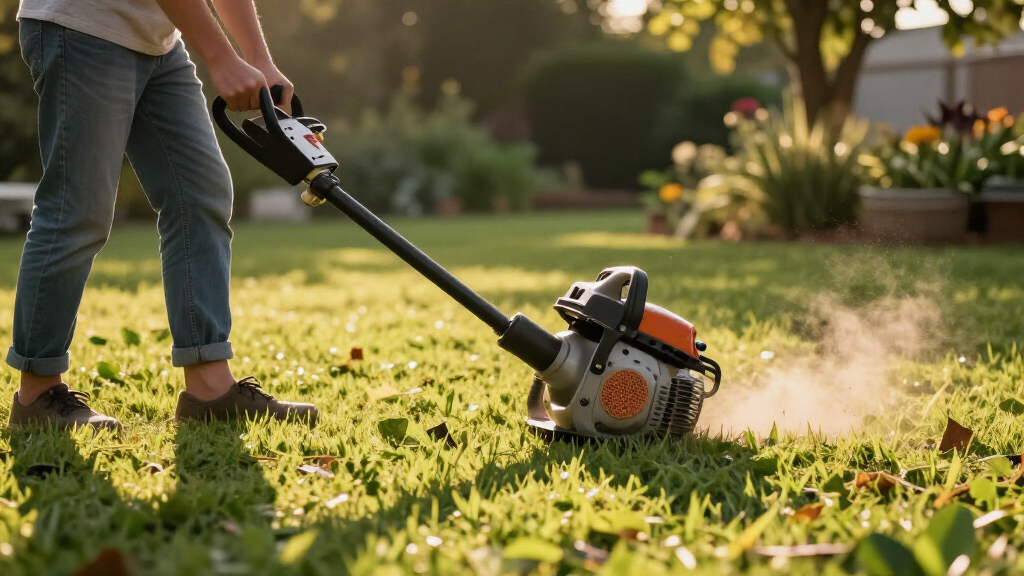
How We Picked
My ranking process started with real-world performance, not spec sheets. Manufacturers measure CFM and MPH at different points in the tube, so I weighted verified air movement at the nozzle, engine displacement consistency, and whether the advertised numbers matched independent feedback from owners. A blower claiming 490 CFM that owners report struggling with wet leaves scored lower than a modest spec backed by consistent field performance.
From there, I evaluated comfort and usability (weight distribution, harness padding, vibration control, ease of starting), build quality and maintenance (brand reputation, parts availability, warranty terms), and value relative to yard size. A $150 handheld that handles a quarter acre is a better buy than a discounted backpack you’ll never strap on. This is why established brands like Husqvarna, ECHO, and Stihl rank high despite higher prices — and why I still found room for budget picks where the value is genuinely earned, not just cheap.
| gas powered leaf blower | Form Factor |
|---|---|
| VEVOR 63CC Gas Backpack Leaf B | Backpack |
| PROYAMA 72CC Gas Backpack Leaf | Backpack |
| 52cc Backpack Leaf Blower | — |
| HTK Gas Backpack Leaf Blower | Backpack |
| Stihl BG50 Lightweight Blower | Handheld / walk-behind |
| 25.4CC Gas Leaf Blower | — |
| ECHO PB-2520 25.4cc Handheld L | Handheld |
| Gas Leaf Blower | — |
| 28 CC Gas Leaf Blower | — |
| Lightweight Handheld Gas Leaf | Handheld, one-handed operation |
| Husqvarna 150BT Gas Backpack L | Backpack |
| Backpack Gas Powered Leaf Blow | Backpack |
| 26cc Gas Leaf Blower | Handheld |
| SENIX 4QL 26.5cc 4-Cycle Handh | Handheld |
| Husqvarna 125B Gas Leaf Blower | Handheld |
Factors to Consider When Choosing Gas Powered Leaf Blowers
Before you settle on a specific model, it helps to understand what actually separates a satisfying gas blower from one that sits in the garage unused. These are the factors I weighed most heavily, along with the mistakes I see buyers make repeatedly.
Backpack vs. Handheld: Match the Format to Your Property
The single most common mistake is buying a handheld blower for a property that needs a backpack. Handheld models top out around 450-500 CFM and fatigue your arm within 20-30 minutes, which means large driveways and half-acre lawns simply don’t get finished. Backpack blowers move the weight to your hips and shoulders, letting you work for an hour or more, but they cost more, weigh 20+ pounds, and are overkill for a small townhouse yard. My rule of thumb: under a quarter acre, go handheld; over half an acre, go backpack; in between, decide based on how many trees drop leaves on your property. Also remember that backpack models are harder to store and harder to maneuver around tight landscaping, so a big blower can be clumsier for detail work around flower beds.
CFM vs. MPH: What the Numbers Actually Mean
Manufacturers love advertising high MPH because big numbers sell, but CFM (cubic feet per minute) is what moves leaves, while MPH determines how fast debris travels once it’s moving. A blower with 280 MPH but only 380 CFM will scatter dry leaves impressively yet bog down on wet, matted oak leaves. For serious fall cleanup, prioritize CFM above 600 for backpacks and above 400 for handhelds. Also watch where the numbers are measured — tube-end figures are more honest than housing figures, and some budget brands only publish the flattering version. When a no-name blower claims to outflow a Stihl at half the price, treat that number skeptically until owner reviews confirm it.
2-Cycle vs. 4-Cycle Engines
Nearly every model in this roundup runs a 2-cycle engine, which means you must mix oil into the gasoline at a precise ratio — usually 50:1. Get the mix wrong and you can seize the engine, which is the number one way budget blowers die prematurely. 4-cycle models like the SENIX 4QL run on straight gas and generally run quieter and cleaner, but they’re heavier per unit of power and produce lower airspeed. If you’re mechanically inclined and don’t mind premixing fuel in a dedicated can, a 2-cycle gives you the best power-to-weight ratio. If you know you’ll forget the mix or spill it, the 4-cycle premium is worth the peace of mind. Either way, always run ethanol-free fuel or a fuel stabilizer, since ethanol-laced gas left in the carburetor over winter is the leading cause of ‘it won’t start’ complaints.
Vibration and Comfort Features You’ll Regret Skipping
Vibration is the hidden cost of cheap gas blowers. After 30 minutes, an undamped handheld unit leaves your hands numb, and a poorly padded backpack harness digs into your shoulders. Look for isolated handles, padded hip belts, and adjustable harnesses that transfer weight to your legs rather than your lower back. The difference between a generic 52cc import and a Husqvarna 150BT isn’t raw power — it’s that the Husqvarna is still comfortable at minute 50. If multiple people in your household will use the blower, adjustable harnesses and easy-pull starting systems matter even more. Don’t discount this factor because of a showroom test; vibration fatigue only shows up during real, sustained use.
Brand Support, Parts, and Total Cost of Ownership
A gas blower is a machine you’ll maintain for years — air filters, spark plugs, fuel lines, and carburetor rebuilds are all routine — and parts availability varies enormously. Husqvarna, ECHO, and Stihl have dealer networks and readily available OEM parts, so a five-year-old blower stays serviceable. Generic imports from marketplace sellers often have no parts pipeline at all; when the carburetor clogs, the repair costs more than replacement. This is why I ranked established brands higher even when their specs looked similar, and it’s why the cheapest backpack blower on the list carries an asterisk. Budget for consumables too: synthetic 2-cycle oil, fuel stabilizer, and spare spark plugs add $20-40 per year. The true cost of a blower is what you spend over five years, not the checkout price.
Noise Restrictions and Local Regulations
Gas blowers are loud — typically 70-90 decibels — and a growing number of municipalities, especially in California and the Northeast, restrict or ban gas-powered models outright. Before buying, check your local ordinances, because a blower you can’t legally operate is an expensive paperweight. Even without bans, if you have close neighbors or work early in the morning, noise output becomes a real differentiator between models. 4-cycle engines run measurably quieter than 2-cycle, and some handheld models position the exhaust away from the operator to reduce perceived noise. If your area is moving toward restrictions, that’s a strong argument for choosing a quieter model or reconsidering whether a battery blower covers your actual needs.
Frequently Asked Questions
Is a backpack gas blower overkill for a small yard?
For properties under a quarter acre, yes — a backpack blower adds cost, storage bulk, and maneuvering hassle you don’t need, and a quality handheld like the ECHO PB-2520 or Husqvarna 125B will finish the job faster overall because it’s quicker to grab, start, and put away. Backpacks earn their keep when cleanup sessions run past 30 minutes or when you’re moving heavy, wet, or compacted debris that stalls smaller units. There’s also a fatigue equation: a 22-pound backpack worn for an hour is less tiring than an 11-pound handheld held for the same time, but for a 10-minute driveway sweep, the handheld wins on convenience. If you occasionally need more power for a big fall cleanup, renting a backpack for a weekend is often smarter than owning one you use twice a year.
Are the cheap 60cc+ backpack blowers from VEVOR and PROYAMA actually a good deal?
They can be, if you understand exactly what you’re trading away. The raw airflow numbers on these units genuinely rival blowers costing twice as much, and for occasional use on dry leaves they perform well. What you give up is refinement and support: more vibration, less comfortable harnesses, louder operation, inconsistent quality control, and essentially no parts pipeline if something fails after the warranty window. If you’re a homeowner who blows leaves a dozen times a year and you’re comfortable doing basic small-engine maintenance yourself, the savings are real. If you want a machine that starts on the first pull after sitting all winter and can be repaired locally, spending more on the Husqvarna 150BT is the smarter long-term play.
Why won’t my gas leaf blower start after winter storage, and how do I prevent it?
In the vast majority of cases, the culprit is fuel that sat in the carburetor for months — ethanol-blended gasoline leaves varnish and gum deposits that clog the tiny jets, and no amount of choking or new spark plugs will fix a blocked carb. Prevention is simple: run the tank dry at the end of the season, or fill it with fresh stabilized fuel and run it for a few minutes so the treated gas circulates through the carburetor. During the season, use ethanol-free gas where available and always mix 2-cycle oil at the exact ratio your manual specifies — too little oil destroys the engine, and too much fouls the plug and exhaust. If a blower has already been sitting with old fuel, draining the system and cleaning or replacing the carburetor usually restores it for $15-30 in parts.
What’s the real difference between a 2-cycle and 4-cycle handheld blower like the SENIX 4QL?
The engine type changes your daily experience more than most buyers expect. A 2-cycle blower like the ECHO PB-2520 makes more power per pound and produces higher airspeed, but requires premixing oil with gas and runs louder with a sharper, buzzier tone. The SENIX 4QL’s 4-cycle engine runs on straight gasoline from the pump, eliminating mixing mistakes, idles quieter, and produces fewer emissions — but it’s heavier for its output and its 125 MPH airspeed is noticeably lower than comparable 2-cycle handhelds. Choose the 4-cycle if convenience and neighbor-friendly noise matter most and your debris is mostly dry leaves and grass clippings. Stick with 2-cycle if you regularly battle wet leaves or want the most clearing power in the lightest package.
How much should I spend to get a gas blower that lasts?
The reliability floor sits around $150-180 for handhelds and $250-300 for backpacks — below that, you’re mostly buying generic engines with questionable quality control and no parts support. Between $180-250, models like the Husqvarna 125B and ECHO PB-2520 offer dealer-backed warranties and engines that routinely last 8-10 years with basic maintenance. Above $300 for backpacks, you’re paying for comfort features, vibration isolation, and commercial-grade components that matter mainly if you run the machine weekly or professionally. The honest answer is that longevity depends more on fuel discipline and seasonal storage than on price — a $160 blower with stabilized fuel will outlast a $400 blower left with ethanol gas in the carb. Spend enough to get brand support, then protect that investment with good fuel habits.
Conclusion
After comparing all 15 models, the right choice comes down to your property size, budget, and tolerance for maintenance. For most buyers, the Husqvarna 150BT is my best overall pick — it balances serious backpack power with genuine harness comfort and a dealer network that keeps it running for a decade. If value is your priority, the VEVOR 63CC delivers near-commercial airflow at a budget price, provided you accept more vibration and thinner support, while the Husqvarna 125B is the value king among handhelds for small yards. Buyers who want the best premium experience should stretch to the ECHO PB-2520 or Stihl BG50 for handheld refinement, or the PROYAMA 72CC for maximum raw clearing power on large rural properties. Beginners and anyone who hates mixing fuel should look at the SENIX 4QL, the easiest gas blower in this lineup to live with day to day. Whatever you choose, remember that fuel quality and winter storage habits will shape your experience more than any spec sheet — buy the blower that fits your yard, then take care of it.