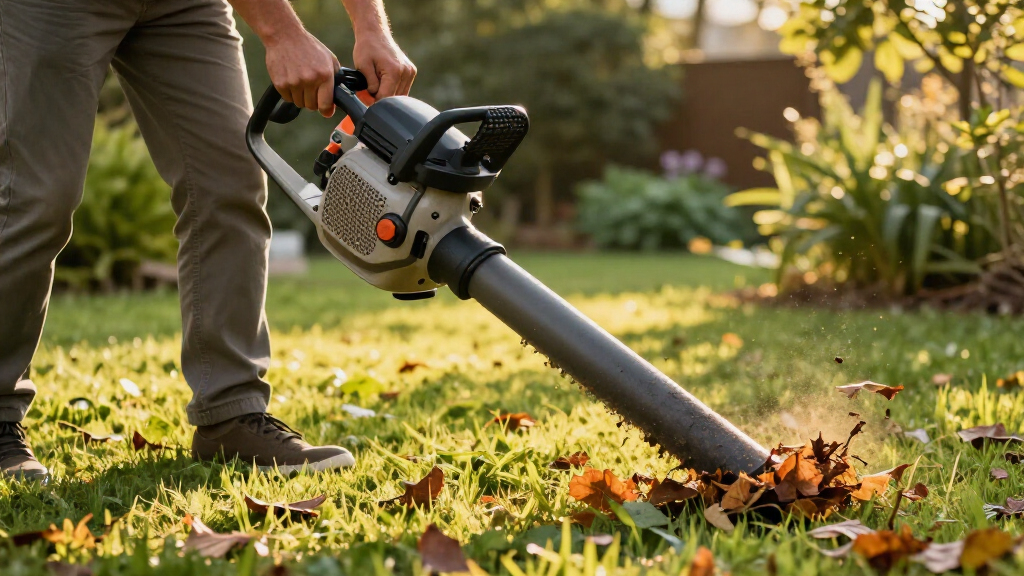

Gas powered leaf blowers remain the go-to choice when cordless models can’t keep up, and the real decision comes down to handheld convenience versus backpack muscle. For most homeowners, the ECHO PB-2520 earns the best overall spot thanks to its commercial-grade engine, comfortable balance, and strong 453 CFM output in a handheld package. If you’re clearing an acre or more, the Husqvarna 150BT is the standout backpack pick, pairing a 51cc engine with the brand’s famously durable air filtration. Budget shoppers should look at the generic 25.4CC handhelds, which deliver 432 CFM for a fraction of the name-brand price — though with rougher build quality and weaker warranties. The main tradeoffs in this category are weight versus runtime, 2-cycle fuel mixing versus 4-cycle convenience, and upfront cost versus long-term reliability. Keep reading for the full breakdown of all 15 models.
Listen free for 30 days with Audible
Thousands of audiobooks and originals — cancel anytime.
Start your free trialAs an affiliate, we earn on qualifying purchases.
Complete the kit


Key Takeaways
- Name-brand engines (ECHO, Husqvarna) separated themselves from generic models mainly through starting reliability and warranty support, not raw airflow numbers.
- The generic 25.4CC handhelds in this lineup deliver nearly identical specs to the ECHO PB-2520 on paper, but the price gap reflects real differences in vibration control and longevity.
- Backpack blowers dominated on raw power (550–1110 CFM) but only made sense for properties over half an acre; smaller yards paid a weight and storage penalty for power they didn’t need.
- 4-cycle models like the SENIX 4QL eliminate fuel mixing entirely, a meaningful convenience for buyers who hate the 2-cycle gas/oil routine, at the cost of some power-to-weight ratio.
- The VEVOR 63CC and PROYAMA 72CC are the value plays in the backpack class, but buyers trade away dealer networks and parts availability compared to Husqvarna.


| gas powered leaf blower | Engine | Airflow | Weight |
|---|---|---|---|
| Lightweight Handheld Gas Leaf | 25.4cc 2-Cycle | 432 CFM | 10 lbs |
| ECHO PB-2520 25.4cc Handheld L | — | — | — |
| Backpack Gas Powered Leaf Blow | 63CC 2-Stroke, 4.3 HP (2.7kW) | 850 CFM | 19.7 lbs (10 kg) |
| Husqvarna 150BT Gas Backpack L | 51-cc, 2.16-HP 2-cycle with X-TORQUE | 765 CFM | — |
| SENIX 4QL 26.5cc 4-Cycle Handh | 26.5cc 4-Cycle, low-emission | 410 CFM | 9.5 lbs |
| WORKIT 52CC Backpack Gas Leaf | 52CC 2-cycle | 550 CFM | — |
| VEVOR 63CC Gas Backpack Leaf B | 63CC 2-cycle | 1110 CFM | — |
| 25.4CC Gas Leaf Blower | 25.4cc 2-cycle gas | 432 CFM | 10 lbs |
| 28 CC Gas Leaf Blower | 28cc 2-stroke, 1.1 HP | 490 CFM | 9.5 lbs |
| HTK Gas Backpack Leaf Blower | 63CC 2-stroke | — | — |
| Gas Leaf Blower 26cc | 26cc 2-cycle | — | 9.4 lbs |
| PROYAMA 72CC Gas Backpack Leaf | 72CC 2-cycle | 880 CFM | — |
| Husqvarna 125B Gas Leaf Blower | 28cc, 2-cycle | 470 CFM | 9.4 pounds |
| Gas Leaf Blower | — | — | 8.3 lbs |
| 26cc Gas Leaf Blower | 26cc 2-cycle | 380 CFM | — |
More Details on Our Top Picks
Lightweight Handheld Gas Leaf Blower, 25.4CC 2-Cycle Engine, 432 CFM 180 MPH
Shoppers who just want respectable moving power at a low price will find a lot to like here. With 432 CFM and 180 MPH from a 25.4cc two-cycle engine, this blower matches or beats the pricier ECHO PB-2520 on paper, and the 10-pound frame makes one-handed sidewalk and driveway duty realistic. The claim of 3,000+ cycles of durability testing is more than I expect at this price tier, where corner-cutting is the norm. The tradeoff is geography: no CARB certification means California residents are out of luck entirely, and the pull-start on a budget two-cycle engine can be stubborn in cold weather compared to branded options. Compared with the SENIX 4QL, you give up the cleaner four-cycle engine and vacuum function but keep the raw airflow advantage.
Pros:- 432 CFM airflow rivals more expensive handhelds
- Only 10 lbs, genuinely one-handed operation
- Durability tested over 3,000 cycles
- Low price point for the power output
Cons:- Not CARB certified, blocked from California buyers
- No vacuum or mulching features
- Pull-start 2-cycle engine can be temperamental
Best for: Homeowners outside California with small to mid-sized yards who want maximum airflow per dollar
Not ideal for: California residents (it can’t ship there) and anyone who wants vacuum or mulching capability
- Engine:25.4cc 2-Cycle
- Airflow:432 CFM
- Speed:180 MPH
- Weight:10 lbs
- Start Type:Pull start
- Form Factor:Handheld
Our verdict“A smart value grab for non-California homeowners who prioritize raw airflow over features and brand polish.”
ECHO PB-2520 25.4cc Handheld Leaf Blower
The ECHO PB-2520 earns its spot on reputation and dealer support, not spec-sheet fireworks. Its 25.4cc engine delivers comparable output to the budget Lightweight 25.4CC handheld, but ECHO backs it with a professional service network and a track record of engines that start season after season — something generic import brands can’t promise. This is the pick when a stalled blower means a stalled weekend. The honest tradeoff: you pay a brand premium while getting fewer advertised features — no vacuum, no mulching, and specs that trail the Husqvarna 150BT by a wide margin on airflow. It’s also strictly a handheld, so half-acre-plus properties will outgrow it fast.
Pros:- ECHO brand reliability and dealer service network
- Same 25.4cc class as pricier competitors at moderate cost
- Lightweight handheld handling for quick jobs
Cons:- No vacuum or mulching functions
- Handheld format limits large-area use
- Priced above generic rivals with equal specs
Best for: Buyers who value long-term reliability, parts availability, and dealer support over headline specs
Not ideal for: Large-property owners or value shoppers — backpack models deliver far more power for similar money
- Engine Displacement:25.4cc
- Type:Handheld Leaf Blower
- Brand:ECHO
- Power Source:Gas (2-cycle)
- Use Case:Residential yard cleanup
Our verdict“The dependable brand-name choice for homeowners who’d rather pay once for peace of mind than gamble on an import.”
Backpack Gas Powered Leaf Blower, 2.7kW 850 CFM, 63CC 4.3HP 2-Stroke
When the job is wet leaves, gravel drives, or even light snow, this 63CC backpack unit brings 850 CFM and 4.3 HP — more raw output than the Husqvarna 150BT’s 765 CFM at what’s typically a much lower price. The large fuel tank and adjustable air outlet make long clearing sessions practical, and the harness spreads the load better than any handheld can. But the compromises are real: at 19.7 lbs it’s heavier than the Husqvarna, the 101 dB noise level will test neighborly goodwill (and hearing protection is non-negotiable), and as a generic import it lacks the proven ergonomics and dealer support of established brands. If you need occasional brute force rather than weekly refinement, this is the value play.
Pros:- 850 CFM outmuscles the Husqvarna 150BT for less money
- Large fuel tank supports long work sessions
- Adjustable air outlet widens the clearing path
- Versatile enough for leaves, debris, and light snow
Cons:- Heavy at 19.7 lbs for extended wear
- 101 dB noise level is very loud
- Generic brand means uncertain long-term parts support
Best for: Rural property owners with heavy leaf, debris, or light snow clearing who want maximum power per dollar
Not ideal for: Suburban users with close neighbors — the 101 dB noise and weight make it overkill for small lawns
- Engine:63CC 2-Stroke, 4.3 HP (2.7kW)
- Airflow:850 CFM
- Speed:210 MPH
- Weight:19.7 lbs (10 kg)
- Noise Level:101 dB
- Max Speed:6800 rpm
- Form Factor:Backpack with harness
Our verdict“The most affordable path to big-backpack power, best for open properties where noise and weight matter less than force.”
Husqvarna 150BT Gas Backpack Leaf Blower, 51-cc, 2.16-HP, 2-Cycle
This is the pick where engineering maturity shows up in daily use. The 150BT’s 765 CFM at 270 MPH gives it the highest airspeed in this batch — meaning it lifts caked, damp debris the 63CC generic backpack sometimes only shoves around — while X-TORQUE engine tech cuts fuel use and emissions. The air purge starting system solves the single biggest frustration of two-cycle equipment: the flooded, arm-aching pull start. Cruise control and a genuinely ergonomic harness make hour-long sessions survivable. The tradeoffs are weight and cost — it’s a heavy machine once loaded with fuel, and you pay a premium over generic 63CC rivals that post higher CFM numbers. But numbers on a box don’t equal a balanced, start-anytime machine, and that’s where Husqvarna wins.
Pros:- 270 MPH airspeed is the highest in this lineup, ideal for stuck-on debris
- Air purge system makes cold starts far easier than rivals
- Cruise control and ergonomic harness for long sessions
- X-TORQUE engine improves fuel efficiency and emissions
Cons:- Premium price over generic backpack rivals
- Heavy once fueled, tiring on hilly terrain
- Still requires fuel mixing and gas maintenance
Best for: Owners of half-acre-plus properties who want professional-grade ergonomics and easy starting for regular, extended use
Not ideal for: Small-yard owners and budget shoppers — the price and weight are wasted on driveway touch-ups
- Engine:51-cc, 2.16-HP 2-cycle with X-TORQUE
- Airflow:765 CFM
- Speed:270 MPH
- Start Type:Pull start with air purge
- Features:Ergonomic harness, variable speed throttle, cruise control
- Form Factor:Backpack
Our verdict“The best-balanced backpack blower here for serious, repeated yard work — worth the premium if starting reliability and comfort matter.”
SENIX 4QL 26.5cc 4-Cycle Handheld Gas Leaf Blower, Up to 410 CFM & 125 MPH
The SENIX 4QL stands apart for one reason that matters every single use: it’s a four-cycle engine, so there’s no mixing oil and gas, emissions are lower, and starting is smoother than every two-cycle handheld here, including the 25.4CC budget blower. At 9.5 lbs with a dual-grip handle, it’s the lightest pick in this batch, and the added leaf vacuum function gives it a capability no other handheld on this list offers. Its 125 MPH airspeed is the lowest here, though — it clears dry leaves and grass clippings happily but will bog down on wet, matted debris that the Husqvarna 150BT obliterates. Add a three-year warranty and included tools, and this is the low-hassle ownership choice rather than the power choice.
Pros:- 4-cycle engine means no oil-gas mixing and lower emissions
- Lightest in this batch at 9.5 lbs with dual-grip handle
- Doubles as a leaf vacuum, unique among these handhelds
- 3-year warranty and included tools
Cons:- Lowest airspeed here at 125 MPH, weak on wet debris
- Not available in California
- Still requires typical gas engine maintenance
Best for: Homeowners who hate fuel mixing and want a light, quiet-ish blower-vac for routine driveway and lawn cleanup
Not ideal for: Heavy-duty users — the 125 MPH speed struggles with wet or compacted debris, and it can’t ship to California
- Engine:26.5cc 4-Cycle, low-emission
- Airflow:410 CFM
- Speed:125 MPH
- Weight:9.5 lbs
- Noise Level:71 dB
- Additional Features:Leaf vacuum, dual-grip handle
- Warranty:3 years
Our verdict“The easiest gas blower to own day-to-day — pick it for convenience and the vacuum feature, not for maximum power.”
WORKIT 52CC Backpack Gas Leaf Blower, 550 CFM, 180 MPH, Heavy-Duty
Where most backpack blowers in this price range shine on dry leaves, the WORKIT 52CC stands out for moving soaked, matted material that stalls lesser machines. Its 550 CFM at a moderate 180 MPH means it pushes volume over velocity — the right formula for wet leaves and slushy snow, compared with the faster-but-thinner airstream of the 28 CC handheld later in this list. The easy-start mechanism fires in one or two pulls, a real advantage over the VEVOR’s stubborn manual pull start. The tradeoff is raw power: at 550 CFM it trails the VEVOR’s 1110 CFM by half, so buyers chasing maximum clearing speed should step up. And like every gas backpack here, it demands mixing fuel and tolerating noise.
Pros:- Volume-focused airflow excels at wet leaves and heavy debris
- Easy-start engine reliably fires in 1-2 pulls
- Low-vibration ergonomic harness suits long sessions
- All-season capability including light snow removal
Cons:- Airflow trails larger 63CC rivals by nearly half
- Requires ongoing 2-cycle maintenance and fuel mixing
- Noisy operation despite design claims
Best for: Homeowners with large properties who regularly battle wet leaves, pine needles, or light snow
Not ideal for: Suburban buyers on small lots with noise-sensitive neighbors — it’s loud and more machine than a quarter-acre needs
- Engine:52CC 2-cycle
- Airflow:550 CFM
- Air Speed:180 MPH
- Power Source:Gas
- Start Mechanism:Easy-start, 1-2 pulls
- Design:Ergonomic low-vibration backpack
Our verdict“This pick makes the most sense for buyers whose biggest enemy is wet, heavy debris rather than sheer leaf volume.”
VEVOR 63CC Gas Backpack Leaf Blower, 2-Cycle, 1110 CFM, 220 MPH
Nothing else in this batch comes close to the VEVOR’s 1110 CFM — nearly double the HTK 63CC’s 665 CFM and roughly triple the handheld options. That airflow, paired with 220 MPH speed and a 1.89L tank good for 50-60 minutes, clears acres fast without constant refueling stops, something the 28 CC handheld’s 0.65L tank can’t touch. The shock-absorbing harness and included accessory kit add genuine value. But this is a brute: the pull start takes real effort, the machine gets heavy when fueled, and even with noise-reducing accessories it’s loud enough to warrant hearing protection. Compared with the WORKIT, you’re trading easy starting and finesse for sheer clearing authority — a fair deal if raw output is the priority.
Pros:- Class-leading 1110 CFM airflow clears huge volumes quickly
- 1.89L fuel tank delivers 50-60 minutes per fill
- Shock-absorption system and adjustable straps ease long sessions
- Includes a versatile accessory kit
Cons:- Manual pull start can be genuinely difficult to crank
- Heavy and cumbersome when fully fueled
- Loud operation even with noise-reducing accessories
Best for: Owners of multi-acre or heavily wooded lots who need to move enormous leaf volumes fast
Not ideal for: Anyone with limited upper-body strength or smaller arms — the manual pull start and loaded weight make it physically demanding
- Engine:63CC 2-cycle
- Airflow:1110 CFM
- Air Speed:220 MPH
- Fuel Tank:1.89L
- Runtime:50-60 minutes
- Design:Backpack with shock absorption
Our verdict“If moving the most leaves per hour matters more than comfort or quiet, this is the machine to buy.”
25.4CC Gas Leaf Blower, Handheld 2-Cycle Blower, 432 CFM & 180 MPH
For a first gas blower, this 25.4CC handheld hits a friendly middle ground: enough power at 432 CFM to handle real yard work, but light enough at 10 pounds that anyone in the household can grab it. It matches the ECHO PB-2520’s engine displacement at a lower price, though ECHO’s brand support and dealer network remain an advantage for buyers who value long-term serviceability. The low-vibration grip and 10-second quick start remove the two frustrations that scare people away from gas — hard starting and numb hands. Compared with the WORKIT backpack, you sacrifice stamina for simplicity; your arms do the carrying, and 432 CFM won’t budge soaked leaf piles. Still, for dry-season driveway and deck duty, it’s an easy entry point.
Pros:- Quick start in about 10 seconds
- Lightweight 10-pound handheld body with low-vibration design
- 432 CFM is genuinely useful for the price class
- Simple maintenance suitable for gas beginners
Cons:- Requires mixing fuel at a 25:1 ratio, a learning curve for newcomers
- No battery or electric fallback option
- Underpowered against wet or heavy debris
Best for: First-time gas blower owners with small to mid-size yards who want simple operation without battery charging
Not ideal for: Anyone clearing over an acre or tackling wet, compacted leaves — the output and handheld format run out of steam
- Engine:25.4cc 2-cycle gas
- Airflow:432 CFM
- Air Speed:180 MPH
- Weight:10 lbs
- Fuel Mix Ratio:25:1
- Start Time:~10 seconds
Our verdict“A sensible first gas machine for casual yard cleanup, as long as your jobs stay dry and modest in scale.”
28 CC Gas Leaf Blower, 490 CFM 280 MPH, 1.1-HP 2-Stroke
This 28 CC handheld is the velocity pick of the batch: 280 MPH airspeed is the fastest here, easily out-pacing the WORKIT backpack’s 180 MPH and edging every other handheld. Speed is what dislodges stuck leaves from gravel, grass blades, and gutter crud — making this a smarter tool for stubborn, stuck debris than higher-volume but slower machines. At 9.5 pounds it’s the lightest gas blower in this group, and the claimed 160-minute runtime from a small 0.65L tank would be remarkable if real-world results match. The tradeoff versus the 25.4CC handheld is modest: a bit more power, but still the same fuel-mixing chore and no quieter operation. Airflow of 490 CFM is respectable but well short of any backpack option.
Pros:- Fastest airspeed in this lineup at 280 MPH
- Featherweight at 9.5 pounds for one-handed control
- Reliable quick-start system
- Long claimed runtime from a small tank
Cons:- Requires 2-stroke fuel mixing
- Noise level typical of small gas engines — ear protection needed
- No battery or electric alternative
Best for: Buyers who mainly need to blast stuck-on leaves and debris from hard surfaces at high speed without hauling a backpack
Not ideal for: Large-property owners moving leaf piles into windrows — 490 CFM moves debris slower than any backpack here
- Engine:28cc 2-stroke, 1.1 HP
- Airflow:490 CFM
- Air Speed:280 MPH
- Weight:9.5 lbs
- Fuel Capacity:0.65L
- Run Time:Up to 160 minutes
Our verdict“The right choice when speed and light weight matter more than raw volume, especially on driveways and walkways.”
HTK Gas Backpack Leaf Blower, 63CC 2-Stroke, 665 CFM, Max 205 MPH, Orange
The HTK 63CC occupies a sensible middle position in this roundup: more muscle than the WORKIT 52CC (665 vs 550 CFM) without the VEVOR’s brute weight and difficult starting. Its standout spec is the 71 dB sound rating — noticeably quieter than typical backpack blowers, which matters if you work early mornings or near neighbors. Features like variable-speed throttle and cruise control let you dial down for flower beds and open up for leaf piles, a level of control the handheld picks here don’t offer. The 1.7L tank sits between the WORKIT’s and VEVOR’s, giving solid mid-length sessions. Real drawbacks remain: it’s a heavy machine to shoulder repeatedly, fuel mixing is mandatory, and ‘quiet’ is relative — it’s still louder than any electric unit.
Pros:- 71 dB rating is quieter than most gas backpacks
- Variable-speed throttle with cruise control for precise work
- 63CC engine handles demanding commercial-grade cleanup
- Ergonomic harness reduces fatigue on long jobs
Cons:- Heavy weight causes fatigue over extended use
- Requires mixing fuel for the 2-stroke engine
- Still noisier than battery-powered alternatives
Best for: Suburban homeowners with half-acre-plus lots who want backpack power without maximum noise
Not ideal for: Anyone wanting whisper-quiet operation or a no-maintenance machine — electric models serve both needs better
- Engine:63CC 2-stroke
- Air Volume:665 CFM
- Max Airspeed:205 MPH
- Fuel Tank:1.7 L
- Sound Level:71 dB
- Controls:Variable-speed throttle, cruise control
Our verdict“The best pick when you need serious backpack output but want to keep the peace with neighbors.”
Gas Leaf Blower 26cc, 2-Cycle, Handheld, Orange
This 26cc handheld earns its spot as the cheapest credible entry point into gas-powered cleanup. With 180 MPH and 380 CFM, it matches the airflow of the 26cc model from B0H41JPLFJ almost exactly, but the deciding factor here is usually price and availability rather than performance — they are functionally twin machines. Compared with the Husqvarna 125B, it gives up roughly 90 CFM, so wet, matted leaves will take noticeably longer to move. The 9.4-pound weight keeps it manageable for quick driveway and patio jobs, and the reduced-resistance recoil makes first pulls less of a wrestling match for anyone new to two-cycle engines. The tradeoff is honest: this is a light-duty tool, and pushing it beyond scattered leaves and light snow shortens its life considerably.
Pros:- Affordable entry into gas-powered blowers with no batteries to charge
- Lightweight at 9.4 lbs for easy one-handed use
- Recoil system reduces pull resistance for easier cold starts
- Versatile enough for leaves, grass clippings, and light snow
Cons:- Handheld design becomes tiring during extended cleanup sessions
- 380 CFM limits it to light debris — struggles with wet or packed leaves
- No battery or electric backup option if you run out of fuel mid-job
Best for: First-time gas blower buyers with small urban yards, driveways, and patios who want cheap, untethered power
Not ideal for: Anyone with a half-acre-plus property or heavy leaf volume — the 380 CFM output and handheld fatigue will slow you down
- Engine:26cc 2-cycle
- Air Speed:180 MPH
- Air Volume:380 CFM
- Weight:9.4 lbs
- Design:Handheld
- Power Source:Gas (no battery)
Our verdict“A sensible low-cost starter blower for small properties, as long as your expectations stay in light-duty territory.”
PROYAMA 72CC Gas Backpack Leaf Blower
If the rest of this lineup is built around suburban yards, this 72CC PROYAMA exists for people who clear actual acreage. Its 880 CFM at 275 MPH puts it near the top of the roundup — only the VEVOR 63CC claims higher raw airflow (1110 CFM), though at a lower 220 MPH wind speed, so the PROYAMA pushes debris with more force even where the VEVOR moves more volume. Cruise control and a variable-speed throttle let you dial back around flower beds instead of blasting everything at full power. The honest tradeoff is weight and noise: a 3.7HP two-cycle engine on your back is loud and fatiguing, even with shock-absorbing straps. Compared with the Husqvarna 150BT, you give up some refinement and dealer support in exchange for raw displacement.
Pros:- 72CC engine producing 3.7HP for demanding, sustained cleanup
- 880 CFM at 275 MPH clears heavy and wet debris quickly
- Backpack design with shock-absorbing straps spreads the load
- Cruise control and variable-speed throttle for precise control
Cons:- Heavy backpack weight causes fatigue during very long sessions
- Loud operation may bother neighbors on small lots
- Two-cycle engine requires fuel mixing and ongoing maintenance
Best for: Rural property owners, small landscaping operations, and anyone clearing heavy leaf drop or light snow across an acre or more
Not ideal for: Suburban homeowners with small lots — it’s overpowered, loud, and heavier than any handheld here for jobs the Husqvarna 125B handles quietly
- Engine:72CC 2-cycle
- Horsepower:3.7HP
- Airflow:880 CFM
- Wind Speed:275 MPH
- Design:Backpack with shock-absorbing straps
- Controls:Cruise control, variable speed throttle
Our verdict“The pick when raw clearing power matters more than comfort or noise — buy it for acreage, not for a patio.”
Husqvarna 125B Gas Leaf Blower, Handheld Leaf Blowers for Lawn Care
The Husqvarna 125B is what happens when a major manufacturer builds a handheld blower instead of a generic factory: the details add up. Its 470 CFM at 170 MPH out-flows both 26cc budget models in this roundup (B0GXVHRKMB and B0H41JPLFJ) by roughly 90 CFM, which matters more than the slightly lower airspeed because volume — not speed — moves leaves. The air purge starting system and cruise control are conveniences the cheaper handhelds skip entirely, and the adjustable blowing tube suits users of different heights. It won’t touch a backpack like the PROYAMA 72CC for heavy leaf drop, and 12.5 N of blowing force is firmly light-duty. What you’re paying for is reliability and dealer support rather than headline specs.
Pros:- 470 CFM airflow beats comparable budget handhelds by a wide margin
- Air purge system makes cold starts reliably quick
- Ergonomic, lightweight design reduces wrist and arm strain
- Cruise control and adjustable tube add everyday convenience
Cons:- Priced above generic handhelds with similar engine sizes
- Strictly light-duty — wet leaf piles will slow you down
- Two-cycle engine needs periodic maintenance to stay in tune
Best for: Homeowners with established brand loyalty who want a dependable, easy-starting handheld for routine weekly yard maintenance
Not ideal for: Heavy autumn cleanup or large properties — the 12.5 N blowing force and handheld format are outmatched by backpack options
- Engine:28cc, 2-cycle
- Horsepower:1.1 HP
- Airflow:470 CFM
- Max Wind Speed:170 MPH
- Blowing Force:12.5 N
- Weight:9.4 pounds
- Features:Air purge, adjustable blowing tube, cruise control
Our verdict“The most polished handheld in this lineup — worth the premium if you value easy starting and long-term support over raw specs.”
Gas Leaf Blower, 8 lbs, 2-Cycle, 7000 RPM
At 8.3 pounds, this is the lightest gas blower in the roundup — a full pound lighter than the Husqvarna 125B and over a pound lighter than either 26cc budget model. For older users or anyone doing quick daily sweeps, that difference is real. The built-in silencer brings noise down to 90dB(A), quieter than most two-cycle competitors, which matters in close-quarters neighborhoods. The catch is power: the 0.75kW rating translates to roughly 1 HP, well below the Husqvarna 125B’s output, and the modest 0.13m³/s airflow means this is a dust-and-loose-leaves tool, not a leaf-pile machine. The tiny 0.2-gallon tank also means frequent refills — fine for a 15-minute sweep, frustrating for a full yard session. It fills a niche nobody else here targets: minimal weight, minimal noise.
Pros:- Lightest blower in the roundup at 8.3 lbs
- Built-in silencer keeps noise at a neighbor-friendly 90dB(A)
- Compact 9.8×8.7×12.2-inch footprint stores easily
- Corrosion-resistant construction for durability
Cons:- Low 0.75kW power limits it to light debris and dust
- 0.2-gallon fuel tank requires frequent refills
- No shoulder strap included, and the handle shape divides opinion
Best for: Older homeowners or noise-sensitive neighborhoods needing a featherweight blower for quick driveway, deck, and walkway sweeps
Not ideal for: Yard-scale leaf cleanup — the low power output and tiny 0.2-gallon tank make full-property sessions slow and refill-heavy
- Power:0.75kW
- Engine Type:2-Cycle
- Impeller Speed:7000 RPM
- Airflow Capacity:0.13m³/s
- Weight:8.3 lbs
- Fuel Tank:0.2 gallons
- Noise Level:90dB(A)
Our verdict“Choose this for weight and quiet above all else — skip it if clearing power is your priority.”
26cc Gas Leaf Blower, 380 CFM 180 MPH Handheld 2-Cycle
This 26cc handheld shares its core specs with the orange 26cc budget pick (B0GXVHRKMB) — same 380 CFM, same 180 MPH — but it earns a separate slot through small comfort upgrades that matter over a 30-minute session. The cushioned anti-vibration handles reduce the hand-numbing buzz typical of cheap two-cycle engines, and the translucent fuel tank ends the guesswork of wondering whether you’ll finish the job before running dry. Neither feature appears on the orange twin. Against the Husqvarna 125B, it still gives up 90 CFM, so this is about matching a low price with a slightly better user experience, not competing on power. The 50:1 fuel mixing requirement is a genuine hurdle for first-timers — measure carefully or you risk engine damage.
Pros:- Cushioned anti-vibration handles reduce hand fatigue versus basic budget models
- Translucent fuel tank lets you check fuel level at a glance
- Balanced, lightweight feel for extended handheld use
- Reduced-resistance recoil starts easier than typical budget blowers
Cons:- Requires precise 50:1 gas-to-oil mixing — errors can damage the engine
- Handheld format tires arms on long cleanup jobs
- Light-duty output — not built for heavy or compacted debris
Best for: Budget-conscious buyers who want the cheapest blower but still value anti-vibration comfort and a visible fuel gauge
Not ideal for: Anyone unwilling to mix 50:1 fuel precisely or expecting to move wet, heavy leaf piles — this stays in light-duty territory
- Engine:26cc 2-cycle
- Airflow:380 CFM
- Air Speed:180 MPH
- Fuel Mix:50:1 gas-to-oil
- Design:Handheld
- Features:Anti-vibration handles, translucent fuel tank, reduced-resistance recoil
Our verdict“The smarter version of a basic budget blower — same modest power, noticeably more comfortable operation.”
How We Picked
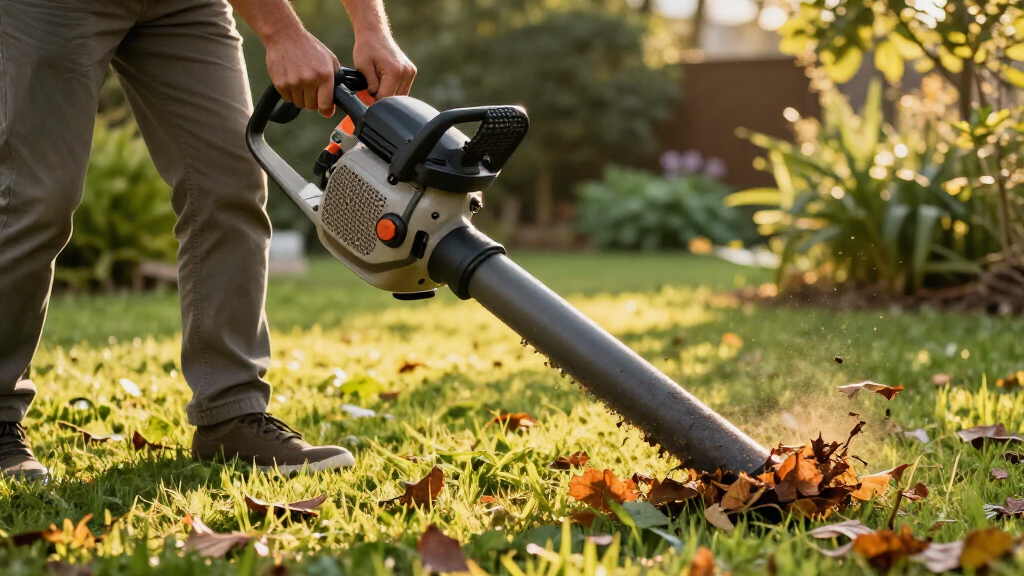
I evaluated these 15 gas powered leaf blowers against the criteria that actually determine satisfaction: air movement (CFM and MPH), starting reliability, weight and ergonomics, build quality, maintenance burden, and value per dollar. Airflow specs were weighted most heavily because they predict real clearing performance — CFM moves volume, MPH moves wet or matted debris, and both matter. Ergonomics came next, since a blower that’s exhausting to carry doesn’t get used, which is why weight, harness design, and vibration dampening separated the top backpack picks from the cheap ones.
Brand reputation and parts availability also factored into the ranking. ECHO and Husqvarna earned their higher placements not because their spec sheets outpace generic competitors, but because their engines start reliably after storage, their warranties are honored, and replacement parts are easy to find. Generic models ranked on pure value — when they cost half as much as a name-brand equivalent, a buyer accepts some durability risk. The final ordering balances those two philosophies: proven dependability at the top for buyers who want a decade of service, and aggressive value picks lower down for budget-limited or occasional-use buyers.
Factors to Consider When Choosing Gas Powered Leaf Blowers
Before settling on a specific model, it helps to understand what actually separates a satisfying gas blower purchase from a frustrating one. These are the factors that shaped my rankings — and the ones most buyers get wrong.Handheld vs. Backpack: Match the Format to Your Property
The single biggest decision is format, and it’s driven by property size more than anything else. Handheld blowers work well for suburban lots under half an acre, driveways, decks, and garage floors — they’re light, easy to store, and quick to grab for a five-minute cleanup. Backpack blowers exist for volume: once you’re moving leaves across a half-acre or more, the harness distributes the weight and the larger engine sustains airflow without fatiguing your arms. A common mistake is buying a backpack blower for a small yard — it’s overkill that costs more, weighs more, and takes up more garage space. Conversely, cheaping out on a low-CFM handheld for a wooded lot means spending twice as long on every cleanup. If you’re on the boundary, a strong handheld in the 400–500 CFM range is usually the smarter first purchase.
CFM vs. MPH: Understanding Airflow Specs
Manufacturers love quoting impressive MPH numbers, but CFM (cubic feet per minute) is the better predictor of leaf-moving ability. MPH measures how fast air exits the tube, which matters for dislodging wet, matted leaves or debris stuck in grass — but a narrow high-speed stream moves little total volume. CFM measures how much air is moving, which is what actually pushes piles of dry leaves across a lawn. The best approach is to look at both: a blower needs adequate CFM to move volume and adequate MPH to handle stubborn material. Anything under 400 CFM will struggle with anything beyond light dry leaves. Also be aware that some budget brands quote CFM at the housing rather than at the tube, where the restricted opening cuts real-world output considerably — a reason name-brand specs tend to be more trustworthy.
2-Cycle vs. 4-Cycle Engines
Most gas blowers in this category run 2-cycle engines, which are lighter, simpler, and more powerful for their size — but they require mixing oil into the gas at a precise ratio (usually 50:1). Get the ratio wrong or let mixed fuel sit for months, and you’re looking at a carburetor cleanup or worse. 4-cycle engines like the SENIX 4QL run on straight gas, eliminating the mixing routine and generally running cleaner and quieter, but they weigh more per unit of power and cost a bit more upfront. If you’re the type who forgets maintenance or hates the mixing ritual, 4-cycle is worth the tradeoff. If you want maximum power-to-weight and don’t mind premixing fuel, 2-cycle remains the standard. Either way, use fuel stabilizer and run the carburetor dry before storing the machine for winter — stale fuel is the number-one killer of small gas engines.
Weight, Vibration, and Comfort
Weight specs only tell part of the story — how that weight is carried matters just as much. A well-designed harness with padded shoulder straps and a hip belt makes a 22-pound backpack blower feel lighter over an hour of use than a poorly balanced 10-pound handheld. Vibration is the other hidden factor: cheap blowers transmit engine vibration straight into your hands, which causes fatigue and numbness on longer jobs. Name-brand models invest in vibration isolation that generic ones skip, and it’s a genuine reason for the price gap. If you have arthritis, wrist issues, or plan sessions longer than 30 minutes, prioritize low-vibration design and ergonomic handle angles over raw power. Try to handle a blower in person at a dealer if you can — the feel in your hands reveals things no spec sheet will.
Brand Support, Parts, and Total Cost of Ownership
The sticker price is only the beginning of what a gas blower costs you. Name-brand machines from ECHO and Husqvarna carry real warranties backed by dealer networks, and common wear parts — air filters, spark plugs, fuel lines, carburetor kits — are stocked at any small-engine shop. Generic imports often cost half as much but rely on mail-order parts with uncertain availability, which means a single failed carburetor can total the machine. Over a ten-year horizon, a $200 blower that lasts four years costs more than a $300 blower that lasts ten. That said, if you only blow leaves a handful of times per year and store the machine properly, a budget model may well outlive your needs. The honest framing: name brands are an insurance policy against repair hassle, and whether that insurance is worth paying for depends on how much you’ll use the tool.
Noise Regulations and Local Restrictions
Gas blowers are loud — typically 70 to 80+ decibels at the operator’s ear — and a growing number of municipalities restrict or ban them, especially in the western US. Before buying, check your local ordinances, because a banned blower is worthless no matter how good its specs are. Some cities restrict gas blowers seasonally or during certain hours rather than banning them outright. Noise also affects your neighbors and your own hearing: hearing protection is non-negotiable with any gas blower, and backpack models in particular exceed safe exposure levels within minutes. If you’re in a dense neighborhood with noise-sensitive neighbors, a high-CFM gas handheld used at partial throttle for most tasks can be a middle path. But if your area has already legislated against gas, the entire premise of this purchase changes, and a cordless model deserves a fresh look.
Frequently Asked Questions
Is a backpack gas blower worth it for a small yard?
Usually not. Backpack blowers exist to move large volumes of leaves across big properties, and their advantages — high CFM, sustained runtime, harness-distributed weight — only pay off at roughly half an acre or more. On a small suburban lot, a backpack unit adds cost, storage bulk, and maintenance complexity for power you’ll rarely use at full throttle. A quality handheld in the 400–500 CFM range, like the ECHO PB-2520 or SENIX 4QL, handles driveways, decks, and typical lawns faster because it’s lighter to maneuver and quicker to start. The exception is if you have heavily wooded property with deep leaf accumulation even on a small lot — then the extra airflow earns its keep.
Why do cheap gas blowers have trouble starting after winter storage?
Almost always stale fuel. Two-cycle mix contains oil that degrades and leaves varnish deposits in the carburetor’s tiny jets, and ethanol-blended gas absorbs moisture over months of sitting, which corrodes small passages. Budget blowers compound this with carburetors that have less tolerance for deposits than name-brand units. The fix is preventive: add fuel stabilizer to your mix, run the blower dry at the end of the season, and either drain the tank or fill it with stabilized fuel before storage. Starting fluid is a temptation to avoid — it can score the cylinder. If a blower has already sat with old fuel, a carburetor cleaning or a $15–$20 replacement carb often restores it, which is why parts availability matters when choosing a brand.
Are generic backpack blowers like VEVOR and PROYAMA a good deal versus Husqvarna?
They can be, if you match them to your usage. On paper, a VEVOR 63CC at 1110 CFM or a PROYAMA 72CC out-specs the Husqvarna 150BT for similar or less money, and many occasional users report years of fine service. The tradeoff is the support ecosystem: Husqvarna has dealers everywhere, published parts diagrams, warranties that get honored, and engines designed for commercial duty cycles. Generic brands rely on mail-order parts, thinner documentation, and no dealer network, so a mid-life repair can effectively end the machine. If you blow leaves a dozen times a year and do basic maintenance, the savings are real. If this tool is essential to your weekly routine, the Husqvarna’s dependability premium is money well spent.
What CFM do I actually need for wet leaves?
Wet, matted leaves are the hardest job a blower faces, and CFM alone doesn’t tell the whole story — you need volume and speed together. As a practical floor, 450 CFM handhelds handle damp leaves on hard surfaces like driveways, but lifting soaked leaves out of grass typically takes a backpack unit in the 600+ CFM range with high airspeed to break the mat loose. That’s why the Husqvarna 150BT and the larger generic backpacks rank well for buyers in rainy climates or heavily treed lots. Technique helps too: work in shorter bursts, attack the pile from the edge rather than the middle, and blow downhill when you can. If wet leaves are your primary use case, don’t compromise on the low end — an underpowered machine turns a 20-minute job into an hour of frustration.
Is a 4-cycle gas blower better than a 2-cycle one?
Neither is universally better — they solve different problems. A 4-cycle engine like the SENIX 4QL’s runs on straight gas with no oil mixing, which is a genuine convenience if you find the 50:1 premix ritual annoying or worry about getting it wrong. Four-cycles also tend to run a bit quieter and produce no smoky exhaust. The tradeoff is weight: 4-cycle engines are heavier for the power they make, so you get less CFM per pound than an equivalent 2-cycle. For handheld blowers, that weight penalty is felt directly in your arms during long sessions. If you value simplicity and clean operation over maximum power-to-weight, 4-cycle fits. If you want the most airflow in the lightest package — the usual priority — 2-cycle remains the category standard.
Conclusion
The right pick from this lineup depends entirely on your property and how you work. For the best overall choice, the ECHO PB-2520 delivers name-brand reliability, comfortable ergonomics, and enough airflow for the typical suburban lot without the weight of a backpack. The Husqvarna 150BT is the best premium option — buyers with an acre or more, or those who want a machine that outlasts a decade, get commercial-grade engineering and dealer support that generic brands can’t match.
On the value side, the generic 25.4CC handheld at 432 CFM is the best budget pick, delivering ECHO-adjacent specs at half the price for occasional users willing to accept some durability risk. For beginners, the SENIX 4QL stands out because its 4-cycle engine removes the fuel-mixing mistake that trips up most first-time gas tool owners. And for large-property buyers on a budget, the VEVOR 63CC backpack offers serious 1110 CFM muscle at a price that undercuts name-brand backpacks dramatically — just go in knowing that parts support is on you. Whatever you choose, store the fuel correctly and the machine will repay you season after season.
NFL season / tailgating Picks
team gear
As an affiliate, we earn on qualifying purchases.