
TL;DR

Get garden gear delivered free with Prime
- Fast, free delivery on millions of items
- Prime Video, Amazon Music and more included
- Member-only deals all year
Grow Organic has published a guide to starting lupines from seed, emphasizing that scarification, soaking and cold treatment depend on the species and seed supplier. It recommends checking the packet, sowing at the stated depth and choosing varieties suited to local conditions; germination may take 14–21 days when conditions are right.
Grow Organic has published a guide to growing lupines from seed, explaining how gardeners can prepare and sow seeds while adapting each step to the species and seed packet. The advice matters because scarification, soaking and cold stratification are not required for every lupine, and using an unsuitable treatment or planting site can hinder germination and growth.
The guide says lupines vary in their life cycle and growing needs. The Texas bluebonnet (Lupinus texensis) is an annual, while Russell hybrids are perennial garden plants that generally prefer cooler conditions. It advises gardeners to check the botanical name and packet directions rather than treating all lupine seed alike. A garden hybrid mix should not be considered a substitute for locally appropriate native seed.
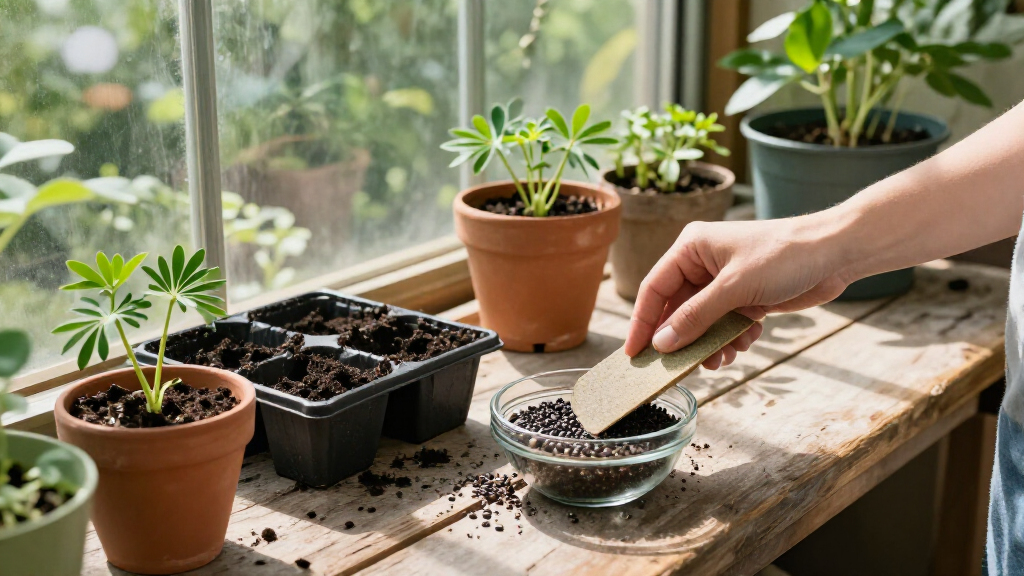
For seeds with a hard outer coat, the report describes scarification: gently rubbing one spot with sandpaper or carefully nicking the coat without damaging the seed inside. Gardeners should skip this if the supplier has already treated the seed. An overnight soak may help some types absorb water, but the guide says to follow packet directions and sow soon afterward; prolonged soaking can damage seeds. Cold stratification is a separate, moist chilling treatment, and not every species needs it.
For many garden varieties, the guide gives a sowing depth of about one-quarter inch, while advising readers to follow a packet that specifies a different depth. It says germination often takes 14–21 days when conditions are right. For indoor starts, it recommends deep cells, moist but not waterlogged seed-starting mix, bright light after shoots appear, and transplanting while seedlings are young with their root balls intact.
Seed Treatments Vary by Lupine
The practical takeaway is that more seed preparation is not automatically better. Scarifying, soaking and chilling are distinct steps, and the report cautions against applying all of them by default. Matching treatment to the species and supplier instructions can help gardeners avoid damaging seed or delaying a planting suited to their region.
Plant choice also affects the likelihood of success. The guide notes that lupines come from different habitats: some need cooler conditions, while some native species are adapted to particular regions and soils. Selecting a type suited to the local climate and planting site is more useful than relying on a single calendar date or universal recipe.
That distinction is relevant beyond germination. Lupines need well-drained soil, but their moisture needs and mature size vary. Many types are spaced 6–12 inches apart, according to the guide, while larger plants may need 18–24 inches or more. Gardeners should check the variety’s mature width rather than assume one spacing works for all.
As an affiliate, we earn on qualifying purchases.
From Seed Coat to Garden Bed
The Grow Organic report presents seed starting as a sequence of decisions: identify the lupine, check whether seed treatment is needed, then choose an indoor or outdoor sowing approach. It says early spring works for many garden types, while fall sowing may suit species that grow through mild winters or benefit from winter chilling. Fall planting does not necessarily replace a required seed treatment, and a warm spell could prompt seedlings to emerge before hard freezes.
For outdoor sowing, the report recommends removing weeds, preparing a loose soil surface and pressing soil gently over the seeds to maintain contact. For indoor sowing, it advises moving seedlings outside gradually so they adjust to outdoor light and wind. Transplanting young plants carefully matters because the guide recommends keeping the root ball intact.
The source references propagation and seed-treatment materials from the University of Washington and the USDA, along with species profiles and regional gardening resources. It cautions that advice for a farm crop such as narrow-leaf lupin may not apply to every ornamental or native garden species. Lupines with suitable root bacteria can fix nitrogen from the air, but the report warns this does not immediately fertilize nearby plants.
“Lupine seed germination improves when the treatment matches the seed, rather than adding every possible step.”
— Grow Organic guide
Results Depend on Seed and Site
The source does not identify a single treatment or sowing date that works for every lupine. Whether a seed needs scarification, soaking or cold stratification depends on its type and whether the supplier has already treated it. Germination timing is also conditional: the stated 14–21 days applies when conditions are right, not as a guarantee.
The report does not provide a publication date in the supplied material, nor does it cite one universal temperature range or treatment duration for all varieties. It says poor seed quality, unsuitable temperatures, planting depth and too much or too little moisture can all affect germination. The best approach for a particular garden therefore remains dependent on the seed packet and local guidance.
Longer-term outcomes also vary. Plants described as deer resistant may still be browsed, and saved seed from hybrids may not produce flowers like the parent. The guide notes that heat and poor drainage can make some lupines difficult to grow, but does not claim that one remedy fits every species.
Check Packets Before Sowing
Gardeners planning a sowing should first identify the variety and read its packet for any supplier-applied treatment, planting depth and spacing. They can then choose spring or fall planting based on the species and local weather, and prepare a well-drained site or deep indoor cells as appropriate. Local native-plant guidance can help distinguish regionally suitable species from garden hybrids.
After emergence, the guide advises keeping the mix moist rather than soaked, providing bright light indoors and acclimating seedlings gradually before planting them outside. Gardeners should preserve the root ball during transplanting and monitor plants for problems such as aphids. The source gives no later update or reported trial results; the next useful measure is how the chosen seed performs under the gardener’s actual conditions.
Key Questions
Do lupine seeds need scarification or soaking?
Sometimes. Scarification may help seeds with hard coats, and an overnight soak can help some types absorb water. Check the packet first, and do not scarify seed that the supplier has already treated.
How deep should lupine seeds be planted?
The guide says to cover many garden lupine seeds with about one-quarter inch of soil. Follow the packet if it gives a different depth.
How long do lupine seeds take to germinate?
The report gives 14–21 days when conditions are right. Germination can vary with seed quality, temperature, moisture and planting depth.
Can lupines be sown outdoors in fall?
Fall sowing may suit species that grow through mild winters or benefit from winter chilling. A warm spell can bring seedlings up before hard freezes, so use local guidance and check whether the seed still needs treatment.
Why might lupine seeds fail to sprout?
The guide lists several possible causes, including poor seed quality, unsuitable temperatures, incorrect depth and excess or insufficient moisture. It does not identify one cause as universal.
Source: rss
Halloween Picks
halloween
As an affiliate, we earn on qualifying purchases.