TL;DR

Get garden gear delivered free — and shop member deals
- Fast, free delivery on millions of items
- Access to Prime Big Deal Days deals on October 6–7
- Prime Video, Amazon Music and more included
Online search and coverage interest is spiking around a well-known gardening method for ripening green tomatoes indoors at the end of the fall season. The technique itself — bringing unripe tomatoes indoors and ripening them in warm conditions, sometimes with a banana or apple — is long-established horticultural practice. What is driving the current spike in interest is not confirmed.
Interest is surging in a long-established gardening method for ripening the last green tomatoes of the season indoors, as gardeners across cooler regions face the arrival of fall frosts. The technique — harvesting unripe tomatoes before cold weather and ripening them at room temperature, often alongside a banana or apple — is standard, well-documented horticultural practice rather than a new discovery. What is new is the spike in search and coverage interest around the topic, the cause of which has not been confirmed.
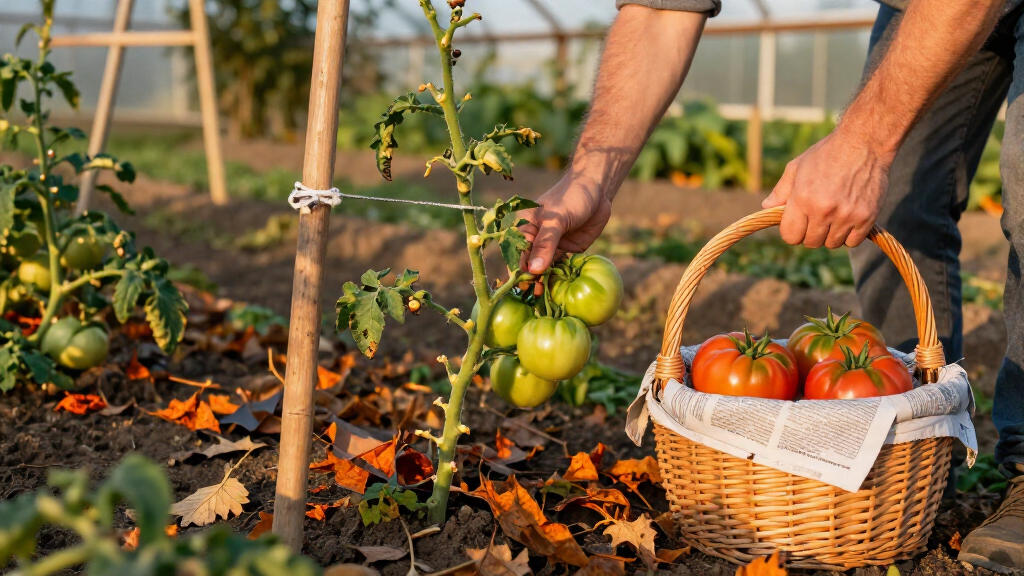
The underlying method is straightforward and has been recommended by agricultural extension services for decades. As daytime temperatures drop in fall, tomato plants stop ripening fruit effectively on the vine. Gardeners typically harvest remaining green tomatoes before the first frost, because frost-damaged tomatoes will not ripen and will spoil instead. Tomatoes that have reached a mature green stage — full-sized with a slight lightening of color — are selected, washed, and dried.
The tomatoes are then placed in a single layer in a warm indoor location, ideally in the range of 65 to 70 degrees Fahrenheit, out of direct sunlight. A widely used variation involves placing a ripe banana or apple in a paper bag or enclosed container with the tomatoes. Ripe fruit releases ethylene gas, a plant hormone that promotes ripening, which can speed the process. Gardeners checking the fruit every few days can expect ripe tomatoes within roughly one to two weeks, depending on the room temperature and the maturity of the fruit at harvest.
These details reflect established guidance from university extension programs and gardening organizations. No new research finding, product launch, or official announcement has been identified in connection with the current wave of interest. The trend signal consists of increased search volume and article coverage of the topic, observed via the garden category feed that surfaced the item.
Why End-of-Season Ripening Matters Now
For home gardeners, the technique has practical economic and food-waste value. A single tomato plant can carry a substantial amount of unripe fruit at season’s end, and a hard frost can destroy all of it overnight. Indoor ripening allows that harvest to be salvaged for kitchen use rather than composted. Extension services have long promoted it as one of the simplest ways to extend the tomato season by several weeks without equipment such as grow lights or greenhouses.
The technique also carries a safety consideration that gardening authorities emphasize: tomatoes ripened indoors are generally fine to eat, but frost-damaged or diseased fruit should be discarded, not ripened. Fruit showing soft spots, splitting, or decay can harbor spoilage organisms. Gardeners handling large harvests are also advised to wash hands and any containers used, and to keep ripening fruit away from children and pets who might reach stored produce.
A Technique With Decades of Extension Backing
Indoor ripening is among the most consistently recommended end-of-season practices in North American home gardening. University extension services — including programs in states with short growing seasons — have published guidance on it for many years, typically framing it as a routine response to the first-frost deadline. Tomatoes are climacteric fruit, meaning they continue to ripen after picking, which is why the method works at all.
Seasonal spikes in interest around this topic are a recurring pattern: each fall, as frost forecasts begin, searches for ripening green tomatoes climb. The current surge appears to follow that seasonal rhythm, though it is not possible to confirm whether a specific viral article, weather event, or social media post drove the present peak.
“The Simple Fall Trick that Ripens the Last Green Tomatoes, Fast”
— The garden-category RSS item that surfaced the trend
What Is Driving the Spike
The trigger for the current surge in interest is unconfirmed. No specific article, broadcast segment, viral post, or weather event has been identified as the cause. It is also unclear whether interest is concentrated in any particular region affected by early frost, or spread nationally. The word “fast” in the circulating headline is a framing claim: indoor ripening typically takes one to two weeks, and no verified source in the trend material claims a faster result. Claims that any particular method ripens tomatoes dramatically faster than ethylene-assisted room-temperature storage should be treated with caution.
The Frost Clock for Gardeners
For most temperate regions, the practical deadline is the first hard frost, after which field-ripened fruit is no longer an option. Gardeners who have not yet harvested can monitor local frost forecasts and pick mature green fruit ahead of freezing temperatures. Extension services typically update seasonal guidance through October and November. Whether the current interest spike translates into a sustained trend or is a one-week seasonal blip will become clear from search data in the coming weeks.
Key Questions
Can green tomatoes actually ripen after being picked?
Yes. Tomatoes are climacteric fruit, meaning they continue ripening after harvest, provided they have reached mature green stage — full-sized with a slight color change. Immature small green fruit generally will not ripen well.
Does the banana or apple trick really work?
It is standard extension-service advice. Ripe bananas and apples release ethylene gas, a plant hormone that accelerates ripening when fruit is enclosed with the tomatoes in a bag or container. It speeds the process modestly; it does not make ripening instant.
How long does indoor ripening take?
Typically one to two weeks at 65–70°F, depending on how mature the tomatoes were at harvest and the room temperature. Cooler locations slow ripening; warmer ones speed it.
Are frost-damaged tomatoes safe to ripen and eat?
No. Extension guidance is to discard fruit damaged by frost, disease, or decay. Only clean, undamaged green tomatoes should be brought indoors for ripening.
Why is this topic trending right now?
Interest in ripening green tomatoes rises each fall as frost approaches. The current spike follows that seasonal pattern, but the specific trigger — an article, post, or weather event — is unconfirmed.
Source: rss
Fall yard work Picks
leaf blowers
As an affiliate, we earn on qualifying purchases.