TL;DR

Get garden gear delivered free with Prime
- Fast, free delivery on millions of items
- Prime Video, Amazon Music and more included
- Member-only deals all year
A Homes and Gardens report recommends five October steps for coneflowers: leave healthy seedheads, remove diseased foliage, protect container plants, apply a light mulch and divide overcrowded clumps before hard frost. Most in-ground coneflowers need little winter protection, but timing and local conditions matter.
A Homes and Gardens report recommends five October tasks for coneflowers, or echinacea, to prepare them for winter: preserve healthy seedheads, remove diseased foliage, protect potted plants, apply a light mulch and divide overcrowded clumps if there is enough time before a hard frost. The advice matters because container roots face greater cold exposure than plants in the ground, while leaving healthy stems standing can provide seeds for birds and shelter for insects.
The report says coneflowers are generally low-maintenance perennials suited to USDA hardiness zones 3 through 9, and established plants typically need little winter protection. It advises against routine October cutbacks: dried seedheads can remain as winter garden structure and provide food for birds, while hollow stems may shelter overwintering insects, including native bees. Gardeners can wait until spring to tidy healthy growth.
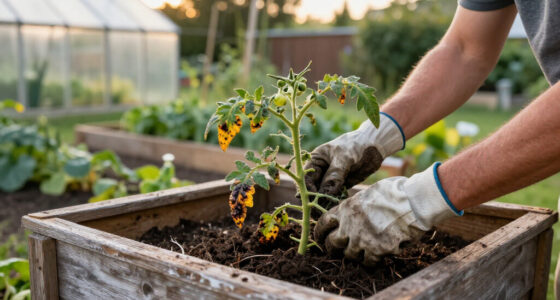
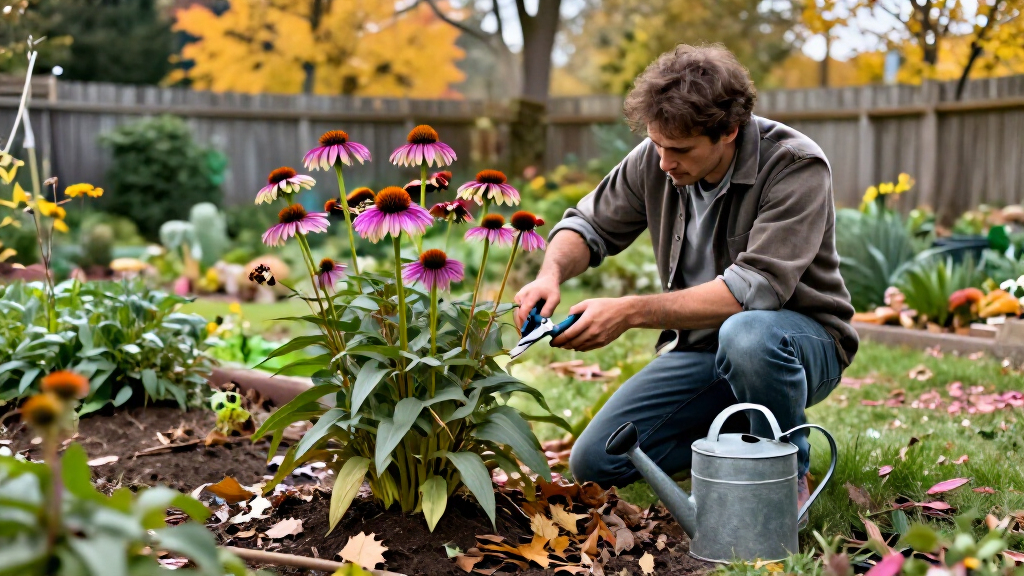
That does not mean all foliage should stay in place. The report recommends removing diseased or damaged leaves and stems, particularly growth affected by powdery mildew or other fungal diseases. Plants showing aster yellows can be cut back close to the ground, leaving a few inches of stem, according to the guidance. Use clean, sharp pruning tools, clean them after use, and dispose of infected material rather than composting it, to reduce the risk of spreading disease.
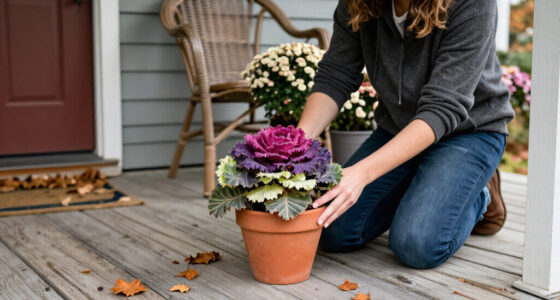
Container-grown coneflowers need extra attention because their roots are more exposed to frost. Suggested steps include moving pots to a sheltered spot, wrapping containers in burlap and adding a light mulch layer on the soil surface. For plants in beds, the report suggests 2 to 4 inches of mulch, adjusted to local cold conditions, while keeping it several inches away from the crown and stems to limit rot risk. Dividing established clumps every three to four years is another option; the report says to do it about three weeks before the first hard frost and water replanted divisions well.
Protecting Roots and Winter Wildlife
These tasks address different winter risks rather than calling for a major seasonal cutback. Mulch and shelter can help limit cold exposure, especially for potted plants and newly planted coneflowers in colder locations. Removing infected foliage, meanwhile, is a targeted cleanup step that may reduce disease material remaining in the garden.
Leaving healthy seedheads and stems also has ecological and practical value. The report says seedheads offer birds food when other natural sources are scarce, and hollow stems can provide insect shelter. For gardeners, this means an untidy-looking winter bed may still serve wildlife; the recommended approach is to remove unhealthy growth while retaining healthy stems until spring.
The advice is not a guarantee that every plant will return stronger. Outcomes depend on factors such as local frost timing, drainage, plant health and whether the coneflower is established or newly planted. The report presents these actions as preparation that can support a return in spring, not as a promise of a particular result.
As an affiliate, we earn on qualifying purchases.
Why October Timing Matters
Coneflowers are perennial plants, and the report describes them as hardy across zones 3–9. That broad range does not mean every plant has the same exposure: a plant growing in the ground is better insulated than one in a pot, and newly planted specimens may benefit from extra protection in the coldest conditions.
October is a useful planning window because several tasks depend on what the plant has experienced during the growing season. Gardeners can inspect foliage for disease, assess whether pots can be moved, and decide whether a clump is crowded enough to divide. The timing is especially relevant to division: the report recommends allowing about three weeks before a hard frost so replanted sections have time to settle.
The article’s central distinction is between healthy growth, which can remain through winter, and diseased material, which should be removed. Its advice also cautions against piling mulch against the plant crown or stems. The source does not provide regional frost dates, so gardeners need to use local forecasts and conditions when deciding whether there is time for division.
“Coneflower care in October is pretty minimal.”
— Homes and Gardens report
Local Frost Dates Set the Limits
The guidance does not specify a single calendar date for each task because the first hard frost varies by location. It also does not offer region-by-region mulch depths or a forecast for how a particular plant will fare. Gardeners should check local conditions before dividing, especially if freezing temperatures may arrive within roughly three weeks.
The report gives general recommendations, not results from a controlled comparison of October care methods. It does not quantify how much any one step improves winter survival or flowering the following year. Whether a plant returns will also depend on its condition and growing site. The advice does not call for pesticide or herbicide use.
Finish Seasonal Tasks Before Frost
Before local hard frost arrives, inspect coneflowers and remove only diseased or damaged growth, then decide whether potted plants need a sheltered position or insulation. Add mulch lightly around roots without covering the crown, and divide crowded clumps only if there is adequate time for them to settle. Leave healthy seedheads and stems standing through winter, then reassess the plants in spring and tidy them as new growth begins.
Key Questions
Should I cut back coneflowers in October?
Not routinely, according to the report. Leave healthy seedheads and stems through winter for bird food, garden structure and possible insect shelter. Remove diseased or damaged growth.
How much mulch should I use?
The report suggests a light layer of 2 to 4 inches, depending on how cold the climate is. Keep mulch several inches away from the crown and stems to help reduce the risk of rot.
How should I protect coneflowers growing in pots?
Move pots to a sheltered spot where possible, wrap them in burlap for insulation and add a light layer of mulch on the soil surface. Container roots are more exposed to cold than roots in the ground.
Can I divide coneflowers in October?
Yes, the report says fall can be suitable if division is done about three weeks before the first hard frost. Water the replanted divisions well, and avoid dividing if frost is too near.
What should I do with foliage affected by disease?
Remove infected or damaged material using clean, sharp tools, then clean the tools after use. The report advises disposing of diseased growth rather than composting it because it could contribute to disease spread.
Source: rss
Halloween Picks
halloween
As an affiliate, we earn on qualifying purchases.