
TL;DR

Get garden gear delivered free with Prime
- Fast, free delivery on millions of items
- Prime Video, Amazon Music and more included
- Member-only deals all year
Gardening Know How’s October guide recommends five care steps to help chrysanthemums stay healthy through fall and improve their chances of returning next spring. Its advice includes removing spent blooms, checking soil moisture, avoiding late planting and division, and protecting plants as temperatures drop.
Gardening Know How has published an October care guide for chrysanthemums, advising gardeners to remove spent flowers, keep plants watered and avoid disruptive late-season planting or division. The recommendations matter because autumn care can affect both how long mums bloom and whether hardy garden varieties survive winter to grow again in spring.
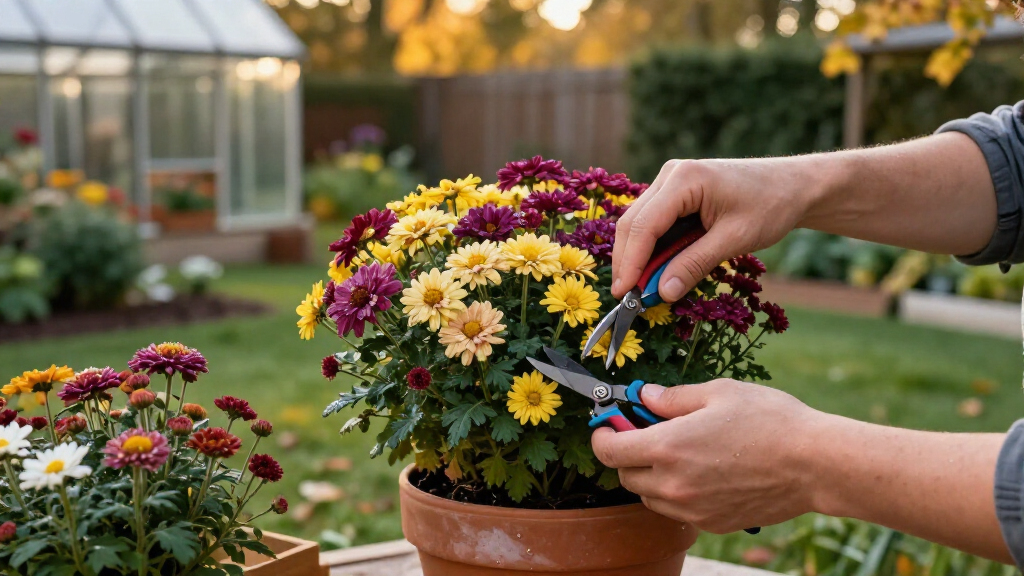
Gardening Know How’s guide sets out five October priorities: deadhead faded flowers, monitor watering, avoid hard pruning, leave division until spring and protect plants for winter. The guide says removing brown or wilting flower heads may not trigger another flush of blooms at this stage, but can keep plants from putting energy into seed production. It recommends pinching or cutting flowers just above a leaf junction.
According to the guide, watering needs depend on weather and where mums are growing. It advises checking container soil daily and watering thoroughly when the top inch feels dry; gardeners should check in-ground plants every few days. The guide recommends watering at the base to keep leaves and flowers dry. Once the ground freezes solid, it says to stop watering in-ground plants.
The article cautions against planting newly purchased potted mums into garden beds late in autumn in most northern areas, where roots may not establish before the ground freezes. It suggests keeping them in their pots unless local conditions are mild and at least six weeks remain before the first hard freeze. The guide also advises against dividing clumps in October, recommending early spring instead.
October Care Shapes Winter Survival
Gardening Know How’s recommendations address two different goals: maintaining flowers through autumn and helping hardy mums survive winter. The guide’s moisture checks are particularly relevant for container plants, whose tightly packed roots can dry quickly even in cooler weather. It also says removing spent flowers and diseased foliage can reduce plant stress and help keep remaining blooms in better condition.
Timing matters because autumn planting and division can disturb roots shortly before freezing weather. The guide’s cautions give gardeners a reason to postpone those tasks rather than treating October as a routine planting or cleanup month. Results will vary with mum variety, local climate and growing conditions; the article does not establish that its practices will extend blooms by a particular amount.
bypass pruning shears for deadheading chrysanthemums
As an affiliate, we earn on qualifying purchases.
As an affiliate, we earn on qualifying purchases.
Hardy Garden Mums and Florist Types
Gardening Know How distinguishes hardy garden mums, identified as Chrysanthemum × morifolium, from florist mums sold mainly as seasonal decorations. The guide says hardy garden varieties can survive outdoors in USDA hardiness zones 4 through 9, while florist types are generally treated as temporary annual displays. Those categories affect whether a plant is likely to return after winter.
The guide also notes that bloom timing varies. Early-blooming cushion mums may be winding down in October, while some later varieties may only be beginning to flower. Autumn weather and regional conditions influence what stage plants have reached, so the article advises gardeners to base care on their plants’ condition as well as the calendar.
Local Weather Changes the Advice
Gardening Know How provides general guidance rather than location-specific instructions. It is not clear what climate or growing conditions apply to an individual reader, and the six-week guideline for late planting depends on local freeze timing. The article also does not provide trial data showing how much longer flowers may last or the likelihood that a particular plant will return.
The supplied source text cuts off during its discussion of pruning and does not include the full description of all five tasks. Its opening identifies crown insulation as a care topic, but the available material does not specify a particular method or materials. Gardeners should check local conditions and identify whether their plants are hardy garden mums or florist varieties before applying winter advice.
Spring Is the Time to Divide
For gardeners following Gardening Know How’s guide, the immediate next step is to check soil moisture, remove faded or diseased material and avoid dividing clumps before winter. The article says in-ground mums should no longer be watered once the ground freezes. Division should wait until early spring, when new green shoots appear; the guide says dividing every few years can help keep clumps vigorous.
As temperatures fall, gardeners can monitor local frost conditions and decide whether container plants need protection. The source does not give a detailed insulation procedure in the material provided, so it does not support a single specific method for every region or plant.
Key Questions
Should I plant a potted mum in the garden in October?
Gardening Know How advises against it in most northern regions because roots may not establish before the ground freezes. The guide suggests leaving the plant in its pot unless local conditions are mild and at least six weeks remain before a hard freeze.
How often should I water mums in October?
Gardening Know How recommends checking container soil daily and watering thoroughly when the top inch feels dry. It advises checking in-ground mums every few days, adjusting for rainfall and soil conditions. Water at the base of the plant; stop watering in-ground plants once soil freezes solid.
Will deadheading make mums bloom again?
Gardening Know How says deadheading at this point may not produce another flush of flowers. Its guide recommends removing spent blooms to limit seed production and direct the plant’s energy toward roots and crown development.
When should I divide mum clumps?
Gardening Know How recommends waiting until early spring, when green shoots appear. The guide warns that dividing in October can disrupt plants as they prepare for winter.
Source: rss
Fall yard work Picks
leaf blowers
As an affiliate, we earn on qualifying purchases.