
TL;DR

Get garden gear delivered free with Prime
- Fast, free delivery on millions of items
- Prime Video, Amazon Music and more included
- Member-only deals all year
A Gardening Know How report recommends three October steps for coneflowers: leave healthy seedheads for birds, remove badly diseased foliage and protect roots without cutting plants back wholesale. The report says to leave the main cleanup until spring, while noting that local conditions and cultivar seed production can vary.
A Gardening Know How report says October is a useful time to prepare coneflowers for winter without cutting every plant back: gardeners can leave healthy seedheads for birds, remove foliage badly affected by disease and check soil drainage around the roots. The advice matters for gardeners balancing perennial care with winter food and cover for wildlife.
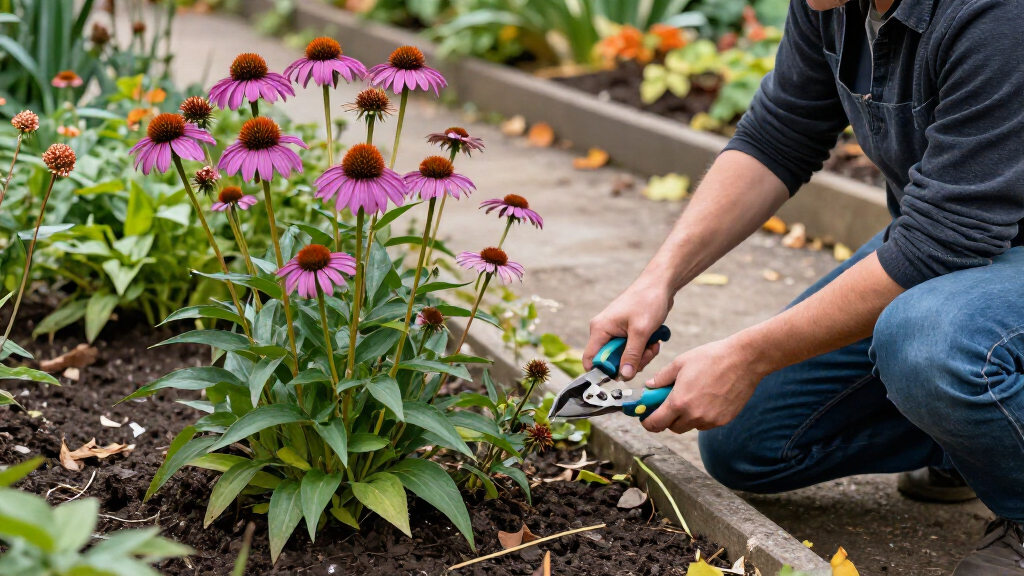
The report recommends leaving many dry, healthy flower heads standing after their petals fade, a step also covered in this guide to October coneflower care. The cones contain seeds that birds can forage on through fall and winter; the report singles out American goldfinches as visitors that may feed on them. Keeping stems in place can also add structure to a winter garden. Bird activity will depend on location and the plants growing there.
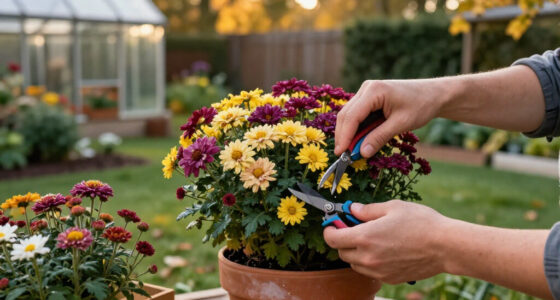
Gardeners should still inspect foliage for disease. The report identifies powdery mildew, which can appear as a pale coating on leaves and stems, as a problem to watch for late in the growing season, particularly after humid conditions or where air circulation is poor. It advises cutting out badly affected material with clean pruning tools and disposing of it rather than putting it in a home compost pile. The guidance distinguishes this targeted removal from cutting down healthy stems.
For root-zone care, the report advises checking that water drains away rather than pooling around plant crowns. If conditions have been unusually dry, watering before the ground freezes may help; a light layer of mulch can moderate soil temperatures, but should not be piled against the crown. The report recommends delaying the main cutback until spring, when new growth begins, rather than pruning plants in October as described in this guide to plants to prune this month.
Seedheads Feed Birds Through Winter
The advice offers gardeners a way to support wildlife while tending a familiar perennial. Leaving seedheads means the plant can remain useful after its summer flowers fade: seeds provide a potential food source, and standing stems preserve winter structure. This is a practical alternative to clearing every bed as soon as flowering ends.
The distinction between healthy and diseased material is central. Keeping healthy heads in place does not mean ignoring plant problems; removing foliage that is badly affected can limit infected debris around the plant. The report presents this as a selective approach, rather than a recommendation to cut back all coneflowers or leave every leaf untouched.
For gardeners, the timing can also prevent unnecessary work. Waiting until spring to do the major cleanup avoids removing seedheads early and leaves stems in place through winter. The advice is general seasonal guidance, not a guarantee of more blooms: the report does not provide trial data showing how these October tasks change flowering the following year.
bypass pruning shears for removing diseased plant foliage
As an affiliate, we earn on qualifying purchases.
As an affiliate, we earn on qualifying purchases.
A Light Fall Routine for Echinacea
Coneflowers are perennial plants in the genus Echinacea, grown for summer flowers and their ability to attract pollinators. The source report describes them as generally hardy and says established plants usually do not need extensive winter protection. Its focus is not on a new product or research finding, but on a seasonal garden-care recommendation for October.
The report’s three tasks are to retain useful seedheads, remove severely diseased foliage and protect the root zone while leaving the main cutback until spring. It advises checking drainage because coneflowers generally prefer well-drained soil and persistent wetness may cause problems in cold weather.
Seed production can differ among cultivars, according to the report. It says some highly bred double-flowered varieties may produce less viable seed than simpler, single-flowered forms, and suggests native purple coneflower, Echinacea purpurea, and other seed-producing varieties for gardeners prioritizing wildlife. The source does not provide a cultivar-by-cultivar comparison.
“Leave the healthy seedheads standing.”
— Gardening Know How report
Local Conditions Shape Fall Care
The report does not specify a single date for October tasks, and appropriate timing will depend on local weather, the onset of freezing conditions and garden conditions. It gives no measured estimate of how much seed birds will consume or how much leaving seedheads improves blooms the following year.
It also does not identify every coneflower cultivar that produces viable seed or quantify differences between single- and double-flowered types. The guidance on watering and mulch is conditional: it recommends watering if soil is dry and using a light mulch layer, rather than prescribing either step for every garden.
Recheck Plants When Growth Returns
In October, gardeners following the report can inspect leaves, remove badly diseased material, check that water drains away from crowns and leave healthy heads standing. Any mulch should remain light and kept away from the crown. As spring growth emerges, the report recommends cutting back old stems before they interfere with new growth.
Gardeners can also observe which coneflowers retain seed and whether birds visit, then use that information when choosing varieties for future seasons. The report provides no further scheduled update or follow-up research; its advice is seasonal and should be adjusted to local conditions.
Key Questions
Should I cut coneflowers down in October?
The report advises against cutting all coneflowers back in October. Leave healthy stems and seedheads standing where possible, and do the main cleanup in spring as new growth appears.
Which coneflower parts should I remove?
Remove foliage that is badly affected by disease, such as a heavy powdery mildew coating, using clean pruning tools. The report advises disposing of diseased material rather than adding it to a home compost pile.
Do coneflower seedheads help birds?
The report says dried cones contain seeds that birds can forage on through fall and winter, and notes that American goldfinches may feed on them. Which birds visit will vary by region and garden.
Should I mulch coneflowers before winter?
A light layer of mulch may help moderate soil temperatures, according to the report. Keep it away from the plant crown, and check that water drains rather than pooling around the roots.
Source: rss
Halloween Picks
halloween
As an affiliate, we earn on qualifying purchases.