
TL;DR

Get garden gear delivered free with Prime
- Fast, free delivery on millions of items
- Prime Video, Amazon Music and more included
- Member-only deals all year
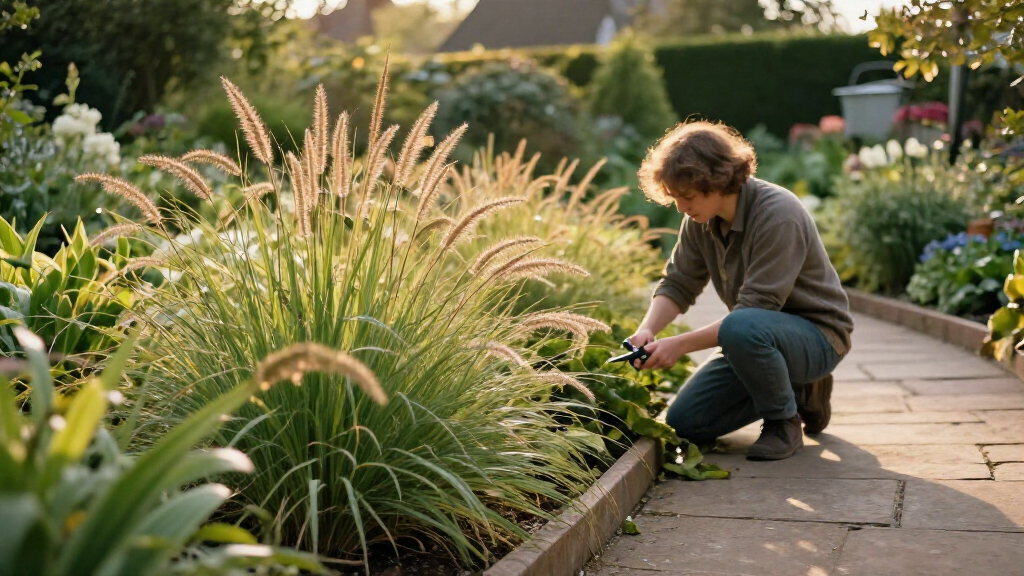
Monty Don shared an Instagram photo of a grass border at his Longmeadow garden, contrasting with a more formal jewel garden nearby. Ideal Home describes the planting as a low-maintenance style that may provide shelter for wildlife, though the post does not identify every plant or document wildlife using the border.
Monty Don has shared a photo of grass borders at his Longmeadow garden, showing a loose, tall planting beside a more formal jewel garden. In a report based on the image, Ideal Home describes the border as low-maintenance and potentially useful for wildlife, while the exact planting and any wildlife observed in the garden are not confirmed by the post.
Don captioned the Instagram image: “Grass borders to the right, jewel garden to the left.” The contrast is central to the scene: an informal section with grasses and prominent seedheads sits opposite a more structured garden area. The photo is the confirmed development; the interpretation of the plants’ benefits comes from Ideal Home’s report.
Ideal Home says the border appears to include ornamental grasses, foliage and the remaining heads of plume thistle, identified in the report as Cirsium rivulare ‘Atropurpureum’. It also points to Calamagrostis × acutiflora ‘Karl Foerster’ and Anemanthele lessoniana as examples gardeners could use to create a similar effect. These are suggested plants, not a verified inventory of Don’s border.
The report describes the tall planting as largely self-supporting, while noting a square frame around some thistle stems. It says grasses and standing plant material can provide cover for garden visitors. That is a general gardening assessment, not evidence that particular insects, mammals or amphibians were present in the pictured border.
How Grass Borders Can Support Wildlife
The image offers a practical example of how a garden can retain structure and seasonal interest without relying on a tightly clipped or highly formal border. Tall grasses and seedheads remain visible as flowers fade, and the report notes that standing growth may also offer shelter for wildlife. The photo itself does not establish how much maintenance the border receives or measure its ecological effects.
For gardeners, the idea is less about copying an exact planting list than combining plants with different heights, textures and seasons of interest. A border that is allowed to look relatively loose can provide visual variety while keeping some stems and seedheads in place. Plant choice and conditions matter: the suggested species may not suit every garden, and a similar appearance does not guarantee the same wildlife value.
The report’s appeal is also in the contrast at Longmeadow: an informal grass planting alongside a jewel garden. That juxtaposition shows how a garden can include both deliberately ordered and more naturalistic areas rather than using one style throughout.
Popular right now

Vitamix 5200 Professional-Grade Blender, 64 oz. Container, Black

Bose QuietComfort Wireless Noise Cancelling Headphones, Sandstone

Shark PowerDetect Corded Stick Vacuum, Self-Cleaning (Eggplant, HZ4002)
As an affiliate, we earn on qualifying purchases.
Longmeadow’s Formal and Loose Planting
Longmeadow is the garden associated with Monty Don, the television gardener and writer. In the Instagram caption cited by Ideal Home, he distinguishes the grass borders from the jewel garden across the way. The source report presents the photo as a recent garden update but does not provide a date for the post.
Ideal Home’s article frames the image as inspiration for gardeners seeking easy-care border plants. It names feather reed grass, pheasant’s-tail grass and tufted hairgrass as possible choices for similar borders, and describes the thistle heads as remnants of flowering plants. Those examples help explain the look; they do not confirm that all are growing in the photographed area.
The seasonal detail matters because the report describes thistle heads darkened by autumn weather and grasses that can retain colour in colder months. Its recommendations are editorial guidance drawn from the image and plant descriptions, not a statement from Don that he designed the border specifically for wildlife or minimal upkeep.
““Grass borders to the right, jewel garden to the left.””
— Monty Don, in the Instagram caption quoted by Ideal Home
What the Garden Photo Cannot Confirm
The source does not state when Don uploaded the photo, identify every plant in the border, or give details of how the area is maintained. It also does not report a wildlife survey or confirm that particular species use the planting. Wildlife benefits are presented as a gardening assessment, rather than a measured finding about Longmeadow.
It is also unclear whether the square support around some thistle stems is a regular feature or was added for a specific plant. The photo and report do not provide information about soil, light, watering, the border’s dimensions or how the suggested plants perform under different conditions. Gardeners should treat the species list as inspiration, not a guarantee that the same result will follow.
How Gardeners Can Adapt the Idea
No further update from Don is included in the source material. For readers considering a similar border, the next step is to check whether the suggested grasses suit local growing conditions and available space, then plan a mix of heights and seasonal interest. Plant labels and supplier guidance can help with mature size and care needs; the source does not provide a complete planting plan.
Gardeners can also decide how much standing growth to retain through colder months, balancing appearance and potential shelter with the needs of their own site. The report offers a visual example, but it does not prescribe a maintenance schedule. Any claims about wildlife outcomes would require observation or assessment beyond the information provided here.
Key Questions
What did Monty Don share?
He posted an Instagram photo of the grass borders at Longmeadow, captioned “Grass borders to the right, jewel garden to the left.”
Which plants does the report mention?
Ideal Home discusses ornamental grasses and apparent plume thistle heads, and suggests plants including Calamagrostis × acutiflora ‘Karl Foerster’ and Anemanthele lessoniana. The report does not confirm that every suggested species appears in Don’s border.
Are the borders confirmed to attract wildlife?
No specific wildlife sightings or survey results are provided. Ideal Home says tall grasses and remaining plant material can offer potential shelter for garden wildlife.
Is the border confirmed to be low-maintenance?
Ideal Home characterizes the planting as low-maintenance, but the source gives no maintenance records or schedule from Don. The description is an editorial assessment of the pictured garden.
Source: idealhome.co.uk