
TL;DR

Get garden gear delivered free — and shop member deals
- Fast, free delivery on millions of items
- Access to Prime Big Deal Days deals on October 6–7
- Prime Video, Amazon Music and more included
National Garden Bureau and its sponsors selected five therapeutic gardens for the 2026 grant program after a two-week public voting period. The awards total more than $7,500, ranging from $3,000 for first-place Rising Light Project to $1,000 for each of three runners-up.
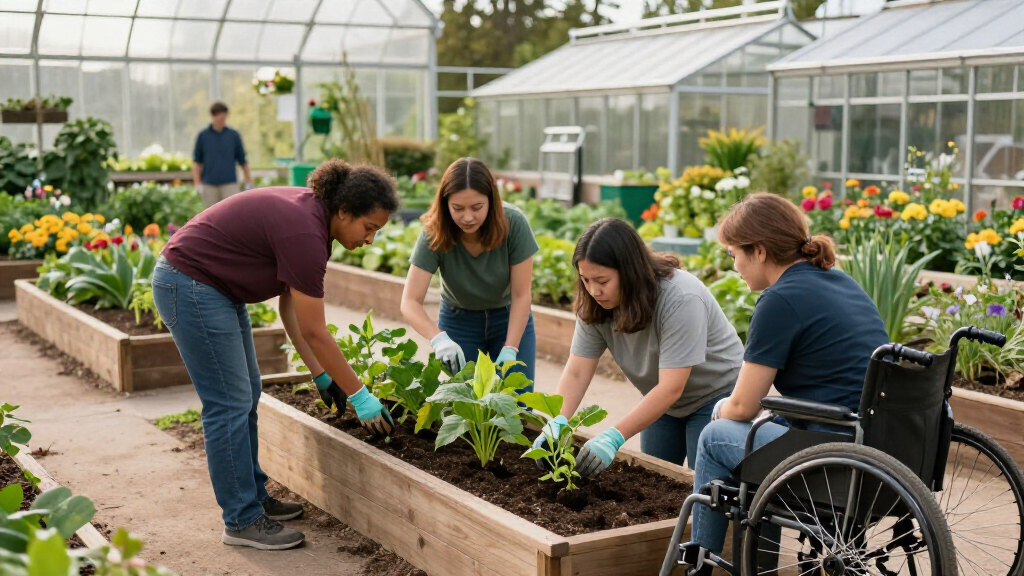
National Garden Bureau and program sponsors American Meadows, Ball Horticultural Company and Sakata Seed America have named five therapeutic gardens as recipients of the 2026 Therapeutic Garden Grant Program, awarding more than $7,500 in total. According to the bureau’s announcement, the public selected the winners during a two-week online voting period; the grants will support programs serving people with disabilities, mental illness and other needs.
According to the National Garden Bureau’s grant announcement, Rising Light Project in St. Charles, Illinois, placed first and will receive $3,000. The announcement says it offers educational day programming for adults aged 22 and older with disabilities who have aged out of traditional support services. Its garden program functions as an outdoor classroom, where participants learn about horticulture, sustainable gardening, biodiversity, nutrition and environmental stewardship while developing social, vocational and life skills.
Hope Clubhouse of Southwest Florida, based in Fort Myers, received second place and a $1,500 grant, the bureau said. The organization describes its Urban Garden of HOPE as part of a member-driven recovery and wellness program. Its materials say the structured Work-Ordered Day emphasizes meaningful work, peer support and skill development, including communication, time management and responsibility.
The bureau named three runners-up, each receiving $1,000: Eagle Mount in Bozeman, Montana; Homesteads for Hope in Rochester, New York; and The Farm at Penny Lane, part of the North Carolina Botanical Garden, in Pittsboro. The grant announcement describes their programs as serving people with disabilities, cancer or severe and persistent mental illness through year-round horticulture, sensory gardening and community-based therapeutic activities.
Grant Support for Therapeutic Gardens
The grants provide direct funding to five programs that use gardening as part of education, wellness and community participation, according to the National Garden Bureau’s announcement and recipient descriptions. The recipients describe activities ranging from planting and harvesting to learning work-related skills and connecting with peers. Funding may help the organizations continue or expand those activities, although the announcement does not specify how each grant will be spent.
The selection also draws attention to gardens serving people who may have limited access to conventional support or recreation programs. The bureau’s description says Rising Light Project focuses on adults who have aged out of traditional services, while The Farm at Penny Lane works with adults living with severe and persistent mental illness. The awards are modest in scale, but offer support to programs with distinct local roles.
As an affiliate, we earn on qualifying purchases.
How the 2026 Winners Were Chosen
The National Garden Bureau says it has provided resources to therapeutic gardens for 13 years. For this year’s program, the bureau says the public chose the five recipients from finalists during a two-week online vote. A panel of judges read applications and narrowed the field to those finalists before voting.
The bureau’s announcement lists the judges as Isabel Fuenzalida of Sakata Seed America; Alicia Green, Buehler Enabling Garden Coordinator at the Chicago Botanic Garden; Corporate Giving at Ball Horticultural Company; Nancy Ketchmark of Flowers Contained; Barbara Kreski, retired director of horticultural therapy at the Chicago Botanic Garden; and Tabar Gifford of American Meadows. The announcement also recognized applicants who did not win and encouraged support for therapeutic gardens from businesses, communities and individuals.
Grant Spending Details Not Provided
The National Garden Bureau’s announcement confirms the recipient organizations and award amounts, but does not say when grant payments will be made or provide spending plans for individual awards. It also does not report the total number of applicants, voting totals, or the number of votes cast. The organizations’ program descriptions are presented in the grant announcement; it provides no independent assessment of outcomes or health effects.
Recipients Continue Garden Programs
The five organizations are expected to use the grants in support of their therapeutic garden work, but the National Garden Bureau’s announcement does not give project schedules or specific next milestones. The bureau says additional details about each garden are available on its website and encourages communities and individuals to support the recipients and other therapeutic garden programs.
Key Questions
Which garden received the largest 2026 grant?
Rising Light Project in St. Charles, Illinois, placed first and will receive $3,000, according to the National Garden Bureau’s announcement.
How much funding was awarded in total?
The National Garden Bureau says the five grants total more than $7,500: $3,000 for first place, $1,500 for second place and $1,000 each for three runners-up.
Which organizations were named runners-up?
The National Garden Bureau named Eagle Mount in Bozeman, Montana; Homesteads for Hope in Rochester, New York; and The Farm at Penny Lane in Pittsboro, North Carolina, as runners-up. Each receives $1,000.
How were the winners selected?
According to the National Garden Bureau, judges reviewed applications and narrowed the group to five finalists. The public then selected the winners in a two-week online voting period.
When will the grants be paid, and what will they fund?
The National Garden Bureau’s announcement does not provide payment dates or detailed spending plans. It says the funding will help the gardens continue or expand their work, but does not specify how each recipient will use its award.
Source: rss
Fall yard work Picks
leaf blowers
As an affiliate, we earn on qualifying purchases.