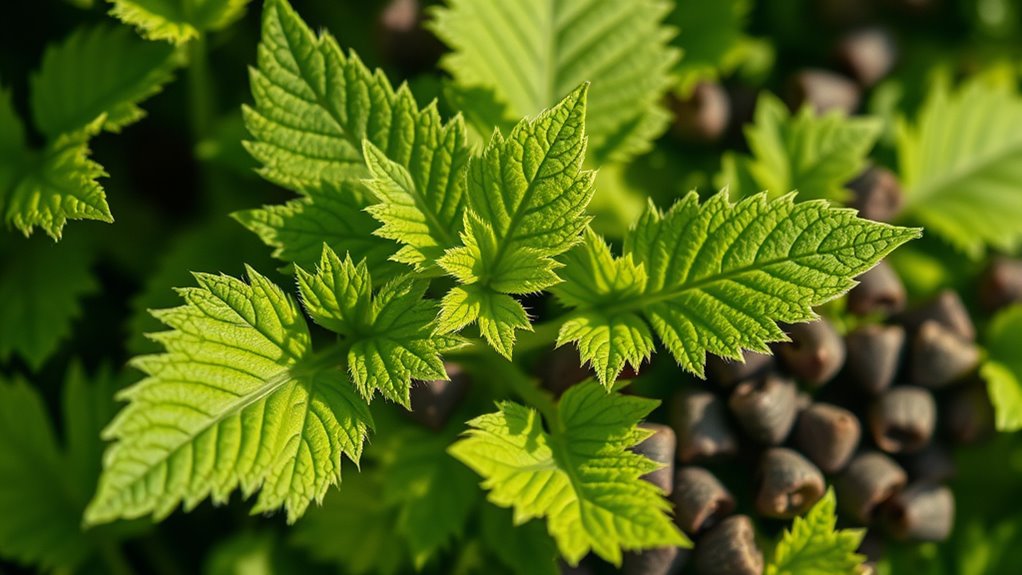

Nettle seed and leaf are renowned for their adaptogenic qualities, helping your body resist stress and maintain balance. Scientific evidence highlights their anti-inflammatory, antioxidant, and hormone-regulating properties, supporting immune health and reducing allergy symptoms. These bioactive compounds may also boost energy and aid tissue repair, making them a natural choice for overall wellness. To uncover how these traditional remedies work scientifically and the latest findings, keep exploring this powerful plant’s potential benefits.
Open a free Amazon Business account
Business pricing, bulk buying and tax-exempt orders.
As an affiliate, we earn on qualifying purchases.
Key Takeaways
- Nettle seeds and leaves contain bioactive compounds like flavonoids and fatty acids that support stress resilience and hormonal balance.
- Traditional use and recent studies suggest their adaptogenic effects help enhance energy and reduce stress-related fatigue.
- Nutrients such as vitamins and minerals contribute to immune function and overall vitality, aligning with adaptogenic principles.
- GLA in nettle seeds exhibits anti-inflammatory properties that may improve the body’s response to stress and inflammation.
- Scientific evidence is limited but indicates that nettle’s chemical profile may synergistically promote resilience against physical and emotional stress.
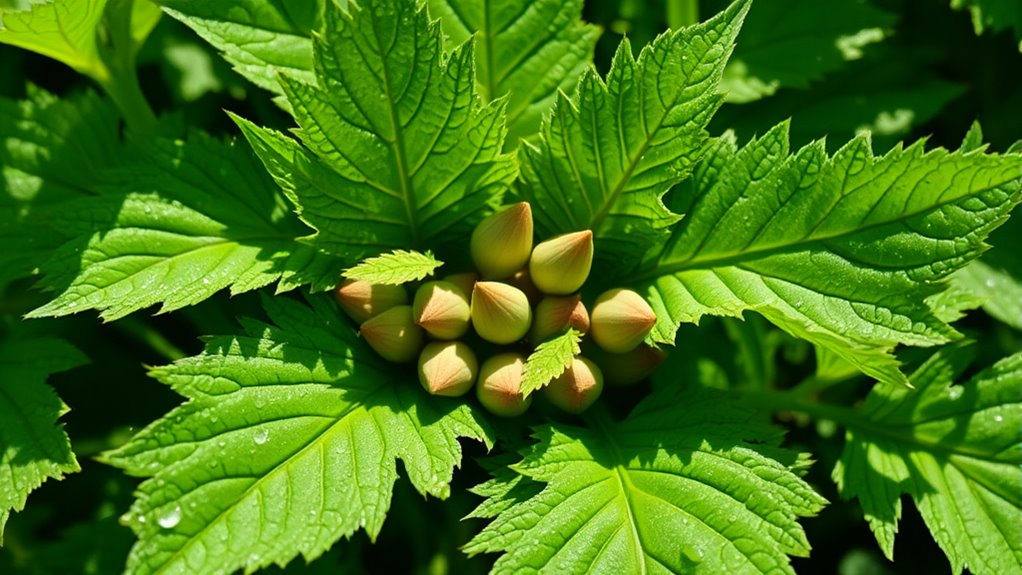
Have you ever considered how nettle seeds and leaves can boost your health naturally? These humble plants have a long history of traditional uses that span cultures and centuries. Indigenous communities and herbalists have relied on them for their potent healing properties, often incorporating them into remedies for inflammation, joint pain, and overall importance. Today, many seek to reconnect with these age-old traditions to reclaim their wellness, embracing the idea of liberation from synthetic drugs. Nettle’s traditional uses are rooted in its rich chemical composition, which offers a fascinating glimpse into its natural power. It contains a wide array of nutrients—vitamins A, C, K, and several B vitamins—along with minerals like iron, magnesium, calcium, and silica. These nutrients contribute to its reputation as a nourishing tonic, supporting immune function, skin health, and detoxification. The plant also harbors bioactive compounds such as flavonoids, carotenoids, and polyphenols, which possess antioxidant properties that help combat oxidative stress. Its seeds are particularly rich in fatty acids, including gamma-linolenic acid (GLA), known for its anti-inflammatory effects, making them a valuable addition to your natural health arsenal. Additionally, recent research highlights its anti-inflammatory properties, supporting its traditional use for joint and muscle health.
The chemical composition of nettle is what makes it so versatile and potent. Its leaves contain chlorophyll and other phytochemicals that support tissue repair and reduce inflammation. The seeds, on the other hand, are packed with essential fatty acids and protein, providing a nourishing boost for your body’s renewal processes. When you consider using nettle for its adaptogenic claims, understanding its chemical makeup helps you appreciate how it may support your body’s resilience against stress and imbalance. The plant’s compounds work synergistically, potentially helping to regulate hormonal activity, reduce allergy symptoms, and improve energy levels.
As an affiliate, we earn on qualifying purchases.
Frequently Asked Questions
Are There Any Known Side Effects of Nettle Seed and Leaf?
You should be aware that nettle seed and leaf may cause allergic reactions in some people, especially if you’re sensitive to plants in the same family. You might also experience gastrointestinal upset, like stomach cramps or diarrhea, if you consume too much. To enjoy the benefits without risks, start with small doses and watch for any adverse effects. Always consult a healthcare professional if you’re unsure or have existing allergies.
How Do Nettle Seeds Compare to Other Adaptogens?
Unlike many adaptogens, nettle seeds boast a unique blend of bioactive compounds that may offer comparable or even superior efficacy. You’re liberated from the usual, mundane options, embracing nettle’s potent antioxidants and anti-inflammatory properties. While others might focus on stress relief, nettle seeds support your overall vitality, empowering you to harness nature’s strength. Immerse yourself in this adaptogen’s potential and discover a new level of resilience and balance.
Can Nettle Leaf Be Used During Pregnancy or Breastfeeding?
You should avoid using nettle leaf during pregnancy or breastfeeding, as its safety isn’t well-established. While some believe it may support health, current pregnancy safety and breastfeeding guidelines advise caution because of limited research. To protect yourself and your baby, choose other proven, safe options and consult your healthcare provider before adding any herbal remedies. Your wellness journey deserves informed choices and liberation from unnecessary risks.
What Is the Recommended Dosage for Nettle Seed and Leaf?
You should follow dosage guidelines and intake recommendations carefully. For nettle leaf, a typical dose is about 2-3 cups of tea daily or 300-500 mg in capsule form, while nettle seed usually ranges from 100-200 mg per day. Always start low, listen to your body, and consult a healthcare professional for personalized advice. You have the power to incorporate this herb safely into your wellness routine.
Are There Any Drug Interactions Associated With Nettle Supplements?
You should be aware that nettle supplements can have drug interactions, especially if you’re on blood thinners, diuretics, or antihypertensive medications. These interactions may affect supplement safety and how your medications work. To stay liberated and safe, always consult your healthcare provider before adding nettle to your routine, especially if you’re taking prescription drugs. Staying informed helps you enjoy the benefits without unintended risks.
Conclusion
You hold the potential of nettle seed and leaf in your hands, like a hidden key to nature’s resilience. While the evidence whispers promises of adaptogenic benefits, remember it’s a gentle, guiding light, not a cure-all. Embrace these humble greens as part of your journey, nurturing your inner strength like a steady flame. Trust the process, and let nature’s quiet power bloom within you, illuminating your path to vigor.
Flea & tick season Picks
flea and tick prevention
As an affiliate, we earn on qualifying purchases.