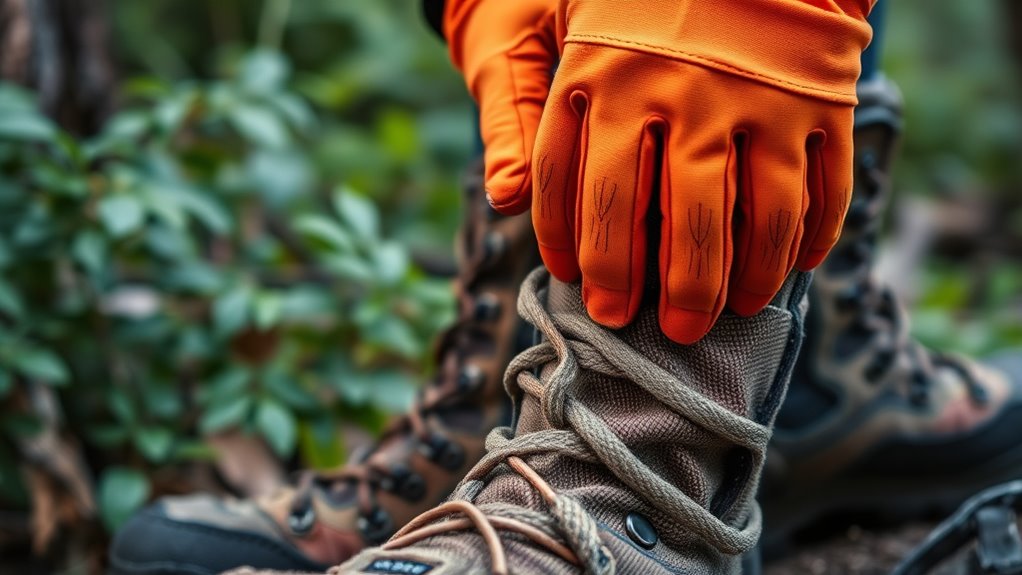

To stay safe during outdoor activities, wear durable gloves to protect your hands from thorns, bites, and irritants, and gaiters to shield your lower legs from scratches, insects, and poisonous plants. Regularly perform tick checks after encounters with wildlife or tall grass to prevent infections. Combining proper use of gloves, gaiters, and consistent tick inspections boosts your confidence and safety. Keep exploring; there’s more essential personal protection advice you can follow.
Listen free for 30 days with Audible
Thousands of audiobooks and originals — cancel anytime.
As an affiliate, we earn on qualifying purchases.
Key Takeaways
- Wear durable gloves and gaiters to protect hands and lower legs from scratches, bites, and contact with toxic plants.
- Regularly perform tick checks on skin and clothing after outdoor activities to prevent infections.
- Use reliable insect repellent on skin and clothing to deter biting insects and wildlife.
- Familiarize yourself with local flora and fauna to identify hazards and avoid provoking animals.
- Combine protective clothing, environmental awareness, and routine checks for comprehensive personal safety protocols.
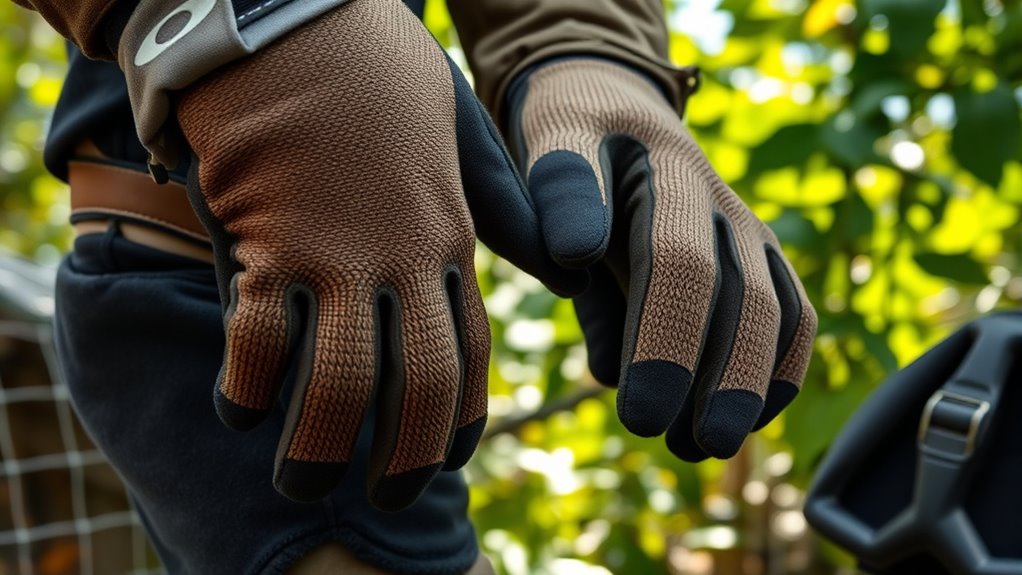
Personal protection protocols are essential measures you can take to minimize risks and guarantee your safety in various situations. When venturing into the wild or exploring unfamiliar environments, you have the power to protect yourself against hazards like insects, plants, and unpredictable wildlife encounters. Protective clothing isn’t just about comfort—it’s your first line of defense. Wearing durable gloves keeps your hands safe from thorns, poison ivy, and bites, while gaiters protect your lower legs from scratches, biting insects, and contact with poisonous plants. These simple yet effective pieces of protective clothing grant you a greater sense of control, allowing you to navigate nature’s challenges with confidence and freedom. Proper personal protection protocols are vital for ensuring your safety and enabling you to enjoy outdoor adventures without unnecessary worry.
Protect yourself with durable clothing to safely explore nature’s challenges confidently.
In wildlife encounters, staying protected is your best strategy for avoiding unnecessary risks. Animals can be unpredictable; some may see you as a threat, while others might be curious or defensive. With the right protective clothing, you create a barrier that discourages bites, scratches, or contact with harmful substances. For example, wearing long sleeves and sturdy pants made of thick, breathable material helps prevent insect bites and skin irritations. Gaiters, which cover your lower legs, shield you from ticks and other biting pests that might latch onto your skin. These insects aren’t just nuisances—they can transmit serious diseases, so performing regular tick checks becomes a vital routine. Checking your body thoroughly after each wildlife encounter ensures you catch any hitchhikers early, reducing your risk of infection or illness.
Beyond clothing, understanding your environment increases your ability to stay liberated and safe. Familiarize yourself with the local flora and fauna before setting out, so you know which plants or animals to avoid. Always carry a reliable insect repellent, and apply it generously, especially on exposed skin and clothing. When you encounter wildlife, keep your distance and respect their space. Avoid sudden movements that could provoke an animal, and stay calm if you do come into close contact. Remember, your protective clothing is there to give you confidence—so wear it properly and diligently. It’s your armor in the wild, your safeguard against bites, scratches, and contact with dangerous substances.
Ultimately, these protocols empower you to explore freely and confidently. With the right protective clothing, regular tick checks, and respectful awareness of your environment, you retain your independence while minimizing risks. Nature offers liberation and adventure, but it demands respect and preparation. By adopting these personal protection measures, you ensure your journeys remain safe and fulfilling, allowing you to embrace the wilderness on your own terms.
Top picks for "glov gaiter tick"
As an affiliate, we earn on qualifying purchases.
Frequently Asked Questions
How Often Should I Replace My Gloves and Gaiters?
You should replace your gloves and gaiters when they show signs of wear, damage, or contamination. Proper glove maintenance means swapping them out regularly to guarantee maximum protection. Gaiter lifespan varies with use, so inspect them often—if they become torn or stiff, it’s time for new ones. Staying vigilant keeps you protected and free from ticks or other hazards, so don’t wait until it’s too late to refresh your gear.
Are There Specific Materials Best for Tick Protection?
You want the ultimate freedom from ticks? Opt for fabrics infused with tick repellent technologies like permethrin-treated materials, which practically repel these tiny villains before they can latch on. Look for durable, high-quality materials like nylon or polyester—they’re tough enough to withstand wild adventures and keep ticks at bay. Choosing the right fabric means you can roam freely, unburdened by worries, and truly enjoy the great outdoors without the nagging fear of ticks.
Can I Reuse Gaiters After Exposure to Ticks?
Yes, you can reuse gaiters after exposure to ticks if they’re made from durable materials like nylon or polyester. Be sure to thoroughly clean and disinfect them to prevent contamination. Follow the manufacturer’s cleaning instructions and inspect for any wear or damage. Proper maintenance guarantees your gaiters stay effective, giving you peace of mind and freedom to explore without worry. Always prioritize cleanliness and material integrity for safe reuse.
What’s the Best Way to Dispose of Contaminated Gear?
To dispose of contaminated gear, you should first prevent further contamination by sealing it in a plastic bag. Then, sanitize the gear through proper sterilization methods like washing with hot water and disinfectant or using a commercial sterilizer. Once sterilized, you can safely discard or repurpose it. This process guarantees effective contamination disposal, keeping you protected and free from ticks or other hazards.
Do Personal Protection Protocols Vary by Environment?
Yes, personal protection protocols vary by environment because environmental factors influence your gear’s durability and effectiveness. You adapt your protection measures to suit conditions like humidity, temperature, and terrain, ensuring you stay safe and free to explore. By tailoring your protocols, you embrace a sense of liberation, knowing you’re proactively managing risks while enjoying the environment fully. Flexibility in your approach lets you stay protected without feeling restricted.
Conclusion
Think of your protective routines as a sturdy shield you carry through the wilderness. Just like a knight’s armor defends against unseen threats, your gloves, gaiters, and tick checks keep you safe from hidden dangers. Skipping any piece weakens that shield, making you vulnerable. Stay diligent and complete your gear, for in this journey, your safety depends on the strength of your defenses. Keep them intact, and you’ll traverse the wild with confidence.
Flea & tick season Picks
flea and tick prevention
As an affiliate, we earn on qualifying purchases.