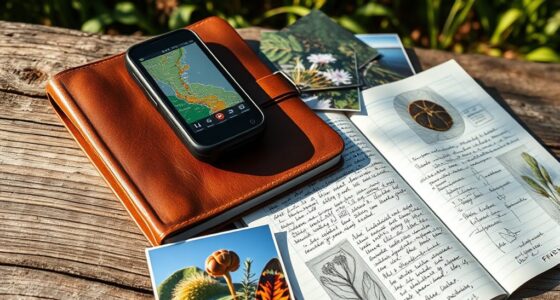
Record‑Keeping: Field Notes, GPS Pins & Photos

Discover how detailed record-keeping with field notes, GPS pins, and photos can transform your project documentation and why it’s worth exploring further.

Allergies, Oxalates & Other Food Sensitivities

Sensing how allergies, oxalates, and food sensitivities affect you can be complex; discover ways to identify and manage these reactions effectively.

Foraging Safety Kit: What to Carry and Why

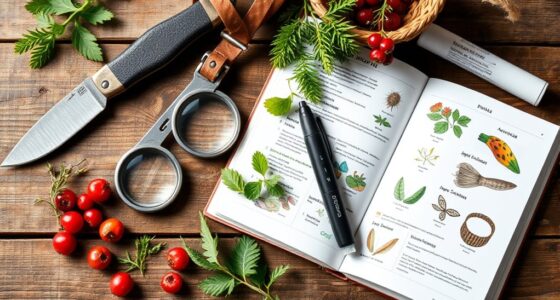
Stay safe while foraging by knowing what essential items to carry—discover how the right safety kit can make all the difference.

Permits, Permissions & Etiquette on Public Lands

By understanding permits, permissions, and etiquette on public lands, you can ensure responsible enjoyment and help preserve these natural treasures for future generations.

Soil and Ph: How Substrate Influences Edibles

I nderstanding how substrate pH affects soil health is essential for thriving edibles, and learning to adjust it ensures optimal plant growth.

Habitat Reading: Edges, Riparian Zones & Disturbance

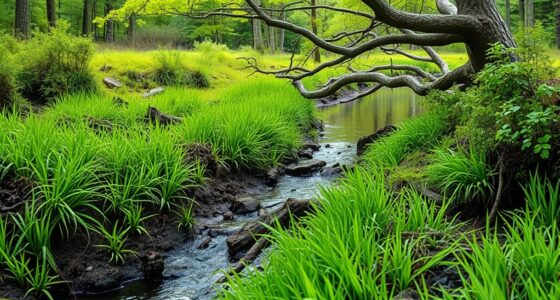
Learning about habitat boundaries like edges and riparian zones reveals their vital role in ecosystem diversity and resilience, but understanding their full impact requires further exploration.

Latin Names 101: Why Botanical Nomenclature Matters

What makes Latin names essential in botany, and how do they ensure accurate plant identification across the globe?

Safest Five: Beginner Plants With Minimal Lookalikes

Curious about the safest beginner plants with minimal lookalikes? Discover five easy options that will boost your confidence in plant care.

Hemlock Vs Wild Carrot: Umbellifer ID Checklist

Just knowing the basics isn’t enough—discover the key differences between hemlock and wild carrot to stay safe and identify them accurately.

The Poison‑Lookalike Problem: A Step‑by‑Step ID Workflow

Only by following this step-by-step ID workflow can you confidently distinguish dangerous lookalikes and avoid potentially deadly mistakes.