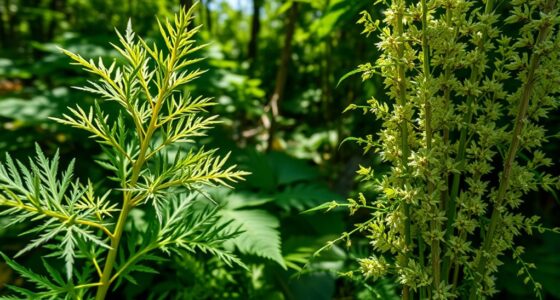
Habitat Reading: Edges, Riparian Zones & Disturbance

Understanding habitat edges and riparian zones helps you see how environments support…

Latin Names 101: Why Botanical Nomenclature Matters

With Latin names forming the foundation of botanical classification, understanding their significance unlocks a deeper connection to plant identification and scientific history.

Safest Five: Beginner Plants With Minimal Lookalikes

Caring for beginner plants is easy with these five safe options that have minimal lookalikes, ensuring your indoor garden thrives effortlessly.

Hemlock Vs Wild Carrot: Umbellifer ID Checklist

Keenly distinguishing hemlock from wild carrot relies on subtle features like umbels and stem textures—discover the essential ID checklist to stay safe.

The Poison‑Lookalike Problem: A Step‑by‑Step ID Workflow

Navigating the poison-lookalike problem reveals how meticulous validation and advanced workflows can prevent dangerous misidentifications, but the key lies in…

Poison Control & Emergency Steps If You Misidentify

Only by understanding proper emergency steps can you effectively respond if you misidentify a substance, so keep reading to learn how to stay safe.

Latin Vs Common Names: Handling Regional Variants

In exploring Latin versus common names, understanding regional variants reveals how language shapes our connection to plants and why clarity matters.

Avoiding Overharvest: The 1‑in‑20 Rule in Context

Lifting sustainable harvesting practices with the 1-in-20 rule ensures long-term resource health, but there’s more to explore about its true benefits.

Mastering Dichotomous Keys: Turning Field Guides Into Answers

Becoming proficient with dichotomous keys unlocks precise identification skills that can transform your natural explorations—continue reading to discover how.


Invasive Plants as First IDs: Garlic Mustard & Knotweed

If you spot garlic mustard, look for a shiny, heart-shaped leaf and…