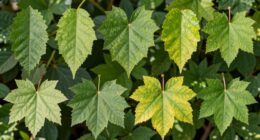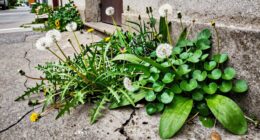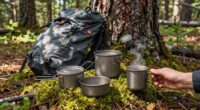
Many edible trees go unnoticed, yet they offer valuable nutrition right in your neighborhood. You might overlook sweetgum with star-shaped leaves or mulberry with broad, lobed leaves. Recognizing these trees helps you find wild foods safely and sustainably. By paying attention to bark textures, leaf shapes, and fruit signs, you can turn overlooked greenery into a reliable food source. Keep exploring, and you’ll discover more hidden edible treasures around you.
Key Takeaways
- Many edible trees, like mulberry and hickory, are often overlooked despite their abundant, nutritious fruits and nuts.
- Recognizing lesser-known edible trees can expand foraging options beyond familiar fruit trees.
- Overlooked trees often provide seasonal bounty that can supplement diets sustainably.
- Proper identification prevents mistaking toxic trees for edible ones, ensuring safe foraging.
- Sustainable harvesting of overlooked edible trees supports ecosystem health and preserves natural food sources.

Many edible trees grow unnoticed around us, yet they offer valuable food sources that often go ignored. If you’re interested in foraging tips, learning how to spot these overlooked trees can open up a whole new world of natural bounty. The key is understanding tree identification—knowing what to look for and how to distinguish edible varieties from inedible or toxic ones. With a little practice, you’ll start noticing subtle signs that reveal these hidden food sources in parks, along streets, and in your own backyard.
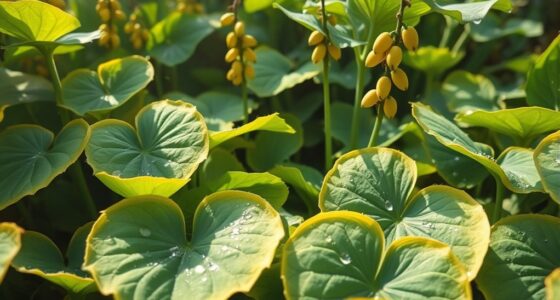
Start by paying attention to leaf shapes, bark textures, and fruit characteristics. Many edible trees have distinctive leaves that are easy to recognize once you know what to look for. For example, the sweetgum tree has star-shaped leaves, while the mulberry has broad, lobed leaves resembling a grapevine. Learning these details helps you quickly identify potential food sources and avoid mistakes. Remember, accurate tree identification is essential—mistaking an edible tree for a toxic one can have serious consequences. Use field guides, mobile apps, or join local foraging groups to sharpen your skills.
When foraging, always start with small quantities to test for taste and any adverse reactions. Many edible trees produce fruits, nuts, or leaves that can be harvested sustainably, but overharvesting can harm the tree and its surroundings. Look for ripe, healthy fruits or nuts that are free of mold, pests, or damage. For example, the nuts from hickory trees are delicious and nutritious, but you’ll want to crack them open carefully to avoid waste. Similarly, the berries from certain holly varieties are edible when fully ripe, but unripe berries can be toxic. It’s important to know when the fruit is at its peak and safe to eat.
Foraging tips also include harvesting responsibly. Never strip a tree of all its fruit or leaves; instead, take only what you need and leave plenty behind for the tree’s health and wildlife. Be mindful of local regulations and private property boundaries—respect the environment and make sure your foraging practices are sustainable. If you’re unsure about a tree’s edibility, consult multiple sources or seek advice from experienced foragers.
In essence, understanding tree identification and honing your foraging tips can turn overlooked trees into a reliable source of food. By paying close attention to the details and respecting nature’s balance, you can enjoy the benefits of wild foods without harming the environment. Over time, recognizing these edible trees around you will become second nature, enriching your diet and deepening your connection to the natural world.

The Complete Guide to Edible Wild Plants
In-depth Guide to edible plants
As an affiliate, we earn on qualifying purchases.
As an affiliate, we earn on qualifying purchases.
Frequently Asked Questions
Are All Parts of These Trees Safe to Eat?
Not all parts of these trees are safe to eat, so you should be cautious. In tree folklore, some parts are believed to have medicinal or edible qualities, but not everything is suitable for culinary uses. Always research specific trees thoroughly before consuming any part, as some may be toxic or cause allergies. Stick to well-known edible parts like fruits or nuts, and enjoy their flavors safely.
How Do I Identify These Edible Trees in the Wild?
Did you know that wild foraging can provide up to 80% of your food in survival situations? To identify edible trees, focus on unique features like leaf shape, bark texture, and fruiting patterns. Study local guides and use tree identification apps to confirm your findings. Always double-check with reliable sources before consuming anything from the wild, as misidentification can be dangerous. Practice safe tree identification in your foraging adventures.
What Are the Best Seasons to Harvest These Trees?
You should harvest edible trees during their peak seasons, typically late spring to early summer for fruits and nuts, and fall for late-season harvests. Wild foraging demands knowing the right time for each tree, while tree cultivation might allow you to extend harvest periods with proper care. Pay attention to local climate and tree maturity, as these factors influence the best seasons to gather edible parts without harming the trees.
Can I Grow These Trees in Containers or Small Spaces?
You can definitely grow these edible trees in containers or small spaces—it’s like fitting a rainforest into a teacup! Container gardening and small space cultivation work well if you select dwarf or compact varieties, guarantee proper drainage, and give them enough sunlight. Use quality soil, water consistently, and consider pruning to keep trees manageable. With patience and care, you’ll enjoy fresh, homegrown produce right on your balcony or patio.
Are There Any Health Risks Associated With Consuming These Trees?
You should be aware of potential health risks when consuming these edible trees, especially if they’re grown in contaminated soil or exposed to pollutants. To enjoy their nutritional benefits safely, follow proper harvesting tips, like harvesting at peak ripeness and thoroughly washing the leaves or fruits. Always identify the tree correctly to avoid toxic species, and consider consulting local experts if you’re unsure about safe consumption.

The Edible Wild Plants Handbook: The Complete Survival Guide for Outdoorsmen, Preppers & Survivalists to Find, Identify and Harvest North America’s Most Common Edible Wild Plants for Self-Sufficiency
As an affiliate, we earn on qualifying purchases.
As an affiliate, we earn on qualifying purchases.
Conclusion
Next time you walk beneath these overlooked trees, imagine their hidden bounty waiting to be discovered. Just like a secret garden tucked away in plain sight, they hold the promise of nourishing you and sparking curiosity. Think of these trees as nature’s quiet treasures, offering sustenance if you know where to look. Embrace the idea that beneath their unassuming branches lies a world of edible riches, ready to transform your perspective and deepen your connection to the wild.

Wild Delight 366200 20-Pound Nut N-Berry Birdfood, 20 lb
Advanced formula
As an affiliate, we earn on qualifying purchases.
As an affiliate, we earn on qualifying purchases.

Bulyoou 9 Pcs Mushroom Foraging Kit Includes Hunting Bag, Shroom Knife with Brush, Gloves, 2 Shovel Tools, Sharpener, Waxed Canvas Foraging Bag, Notebook and Compass for Mushroom Lovers Xmas Gifts
Complete Mushroom Foraging Kit: this 9 pcs mushroom foraging kit includes a mesh foraging bag, a waxed canvas…
As an affiliate, we earn on qualifying purchases.
As an affiliate, we earn on qualifying purchases.