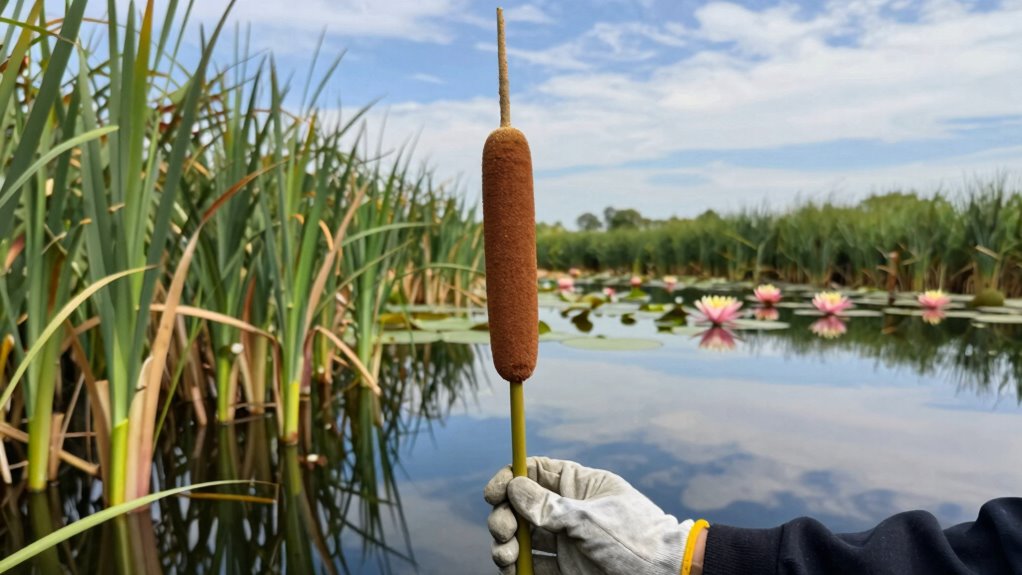
To harvest cattails without damaging the patch, do so during late summer or early fall when the plants are mature. Use a sharp knife or sickle to carefully cut only the mature stalks at the base, leaving younger shoots and some standing stalks intact. Take only a portion of the patch to allow regrowth and prevent ecosystem disturbance. For more detailed, eco-friendly tips, keep exploring how you can harvest sustainably and support wetland health.
Key Takeaways
- Harvest only mature stalks at the base using a sharp knife or sickle to minimize root disturbance.
- Take just a portion of the patch, leaving enough plants to ensure healthy regrowth.
- Avoid cutting all stalks; leave some standing to support habitat and prevent erosion.
- Harvest during late summer or early fall when plants are fully mature but not declining.
- Use careful, clean cuts and avoid excessive digging to protect rhizomes and preserve ecosystem stability.
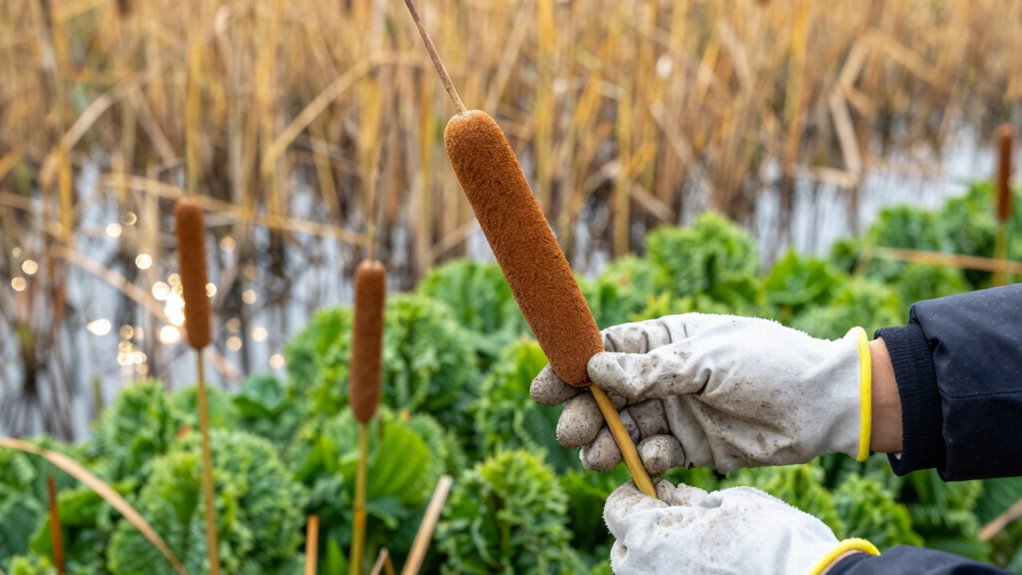
Have you ever wondered how to harvest cattails effectively? If you’re looking to gather these tall, marshy plants without damaging their environment, understanding their role in the ecosystem is essential. Cattails aren’t just useful for crafting or food; they also provide critical wildlife habitat and play a significant part in nutrient cycling. When you harvest thoughtfully, you guarantee these functions continue, supporting healthy wetlands for future generations.
Start by choosing the right time to harvest. Late summer or early fall is ideal, as the cattails are mature but haven’t yet started to decline. When you harvest, aim to take only a portion of the patch, so the plants can regenerate naturally. Removing too many plants at once can disrupt the local wildlife that depends on them for shelter and nesting sites. Remember, cattails are a cornerstone in many wetland ecosystems, serving as cover for birds, insects, and aquatic creatures. By taking only what you need and leaving enough behind, you preserve this critical wildlife habitat, maintaining biodiversity and ecological balance. Additionally, sustainable harvesting can help support wetland health, which is vital for maintaining the overall ecosystem functions.
When harvesting, use a sharp knife or sickle to cut the cattails at the base. Be cautious to avoid disturbing the roots excessively, as the rhizomes are essential for the plant’s regrowth. Carefully collect only the mature stalks, leaving younger shoots to continue growing and contributing to nutrient cycling. Cattails absorb nutrients from the water and soil, helping to filter pollutants and improve water quality. Proper harvesting techniques can also prevent overharvesting, which is vital for maintaining wetland health. Removing too many mature plants can hinder this natural process, so moderation is key. After harvesting, consider leaving some standing stalks intact, which can provide habitat and stability for the wetland soil, preventing erosion and supporting ongoing nutrient cycling. Additionally, understanding the role of cattails in nutrient cycling emphasizes the importance of responsible harvesting to sustain these vital functions.

Japanese Weeding Sickle Very Sharp Edge Quick Work (Full Size)
High carbon steel Japanese weeder
As an affiliate, we earn on qualifying purchases.
As an affiliate, we earn on qualifying purchases.
Frequently Asked Questions
When Is the Best Time of Year to Harvest Cattails?
You should harvest cattails in late summer or early fall when the flower heads are mature but before seed dispersal. During this time, you help sustain wildlife habitat and promote nutrient cycling by removing mature plants carefully. Avoid harvesting in early spring or late winter, as it can disrupt the ecosystem. Timing your harvest guarantees you support healthy cattail growth while preserving the overall wetland environment.
How Much Cattail Can I Sustainably Harvest at Once?
You can sustainably harvest about one-third of the cattails in a patch at once, ensuring the plant remains healthy and regenerates. Focus on harvesting the tender, young shoots for cattail culinary uses, leaving mature plants intact. Always check local harvesting regulations to avoid legal issues and protect the environment. By taking only a portion and respecting regulations, you support healthy cattail populations and enjoy ongoing harvests.
Are There Any Tools Recommended for Harvesting Cattails?
Think of your tools as your trusty sidekicks when wild harvesting cattails. A sharp, sturdy sickle or pruning shears work best for cutting the stalks cleanly and efficiently. Keep your tools well-maintained—clean, sharp, and rust-free—to guarantee smooth cuts and prevent damaging the patch. Proper tool care makes harvesting easier and helps sustain the cattail population, so you’re always ready to gather when the moment’s right.
How Do I Identify Mature Cattails Suitable for Harvest?
You identify mature cattails by their brown, fluffy seed heads and taller, robust stalks, usually around 3 to 4 feet high. Look for healthy plants in wildlife habitats, as they support plant propagation and local ecosystems. Harvest when the seed heads are fully developed but before they start to shed. Mature cattails provide the best material for harvesting without damaging the patch’s growth, ensuring sustainable use and habitat preservation.
Can I Harvest Cattails Without Damaging the Surrounding Ecosystem?
Yes, you can harvest cattails without damaging the surrounding ecosystem. If you’re careful, you preserve essential wildlife habitat and water filtration functions that keep the area healthy. Use sustainable methods like selectively removing only mature plants and leaving enough for wildlife and water quality. This way, you guarantee your harvest doesn’t disrupt the delicate balance, allowing the cattail patch to thrive and continue supporting the ecosystem for years to come.

CABUGE Mushroom Harvesting Knife, No Lock Folding Garden Tool for Foraging & Cleaning, Two-Hand Opening Knife with Wood Handle for Men Women
【PERFECT FOR FORAGING & GARDENING】The mushroom harvesting knife is designed to meet the needs of outdoor mushroom picking…
As an affiliate, we earn on qualifying purchases.
As an affiliate, we earn on qualifying purchases.
Conclusion
By following these simple steps, you can harvest cattails responsibly and keep your patch thriving for years to come. Remember, patience is a virtue—take only what you need and leave enough behind for nature to replenish itself. With a gentle touch and mindful harvesting, you’ll guarantee your cattail patch remains healthy and abundant. So, go ahead, get your hands dirty, and enjoy the bounty without setting yourself up for a fall. Happy harvesting!
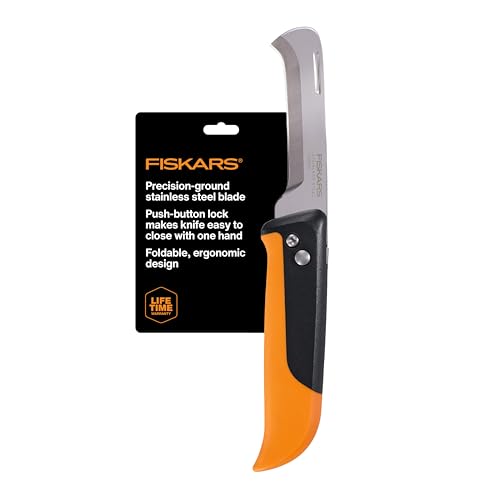
Fiskars Folding Produce Knife, Gardening Tool for Harvesting Produce with Foldable Ergonomic Design, Stainless Steel Curved Blade, Orange
FOLDING PRODUCE KNIFE: Ideal for clean, precise harvesting of smaller garden stalks and stems
As an affiliate, we earn on qualifying purchases.
As an affiliate, we earn on qualifying purchases.
sustainable cattail collection kit
As an affiliate, we earn on qualifying purchases.
As an affiliate, we earn on qualifying purchases.