
Learning to identify trees helps you discover more wild food sources throughout the year by understanding seasonal changes and edible parts like nuts, berries, leaves, and bark. When you know how trees grow and their ecosystems, you can harvest sustainably and avoid overharvesting. This knowledge boosts your foraging skills, expands your dietary options, and deepens your connection to nature. Keep exploring, and you’ll uncover even more ways trees can enrich your wild food journey.
Open a free Amazon Business account
Business pricing, bulk buying and tax-exempt orders.
As an affiliate, we earn on qualifying purchases.
Key Takeaways
- Identifying tree species reveals edible parts like nuts, berries, and leaves, expanding foraging options.
- Understanding seasonal cycles aligns harvesting with peak ripeness and safety.
- Recognizing ecosystem diversity promotes sustainable harvesting and prevents overexploitation.
- Knowledge of tree habitats and growth patterns uncovers new foraging locations.
- Appreciating ecological connections enhances respect for wild foods and supports ecosystem health.
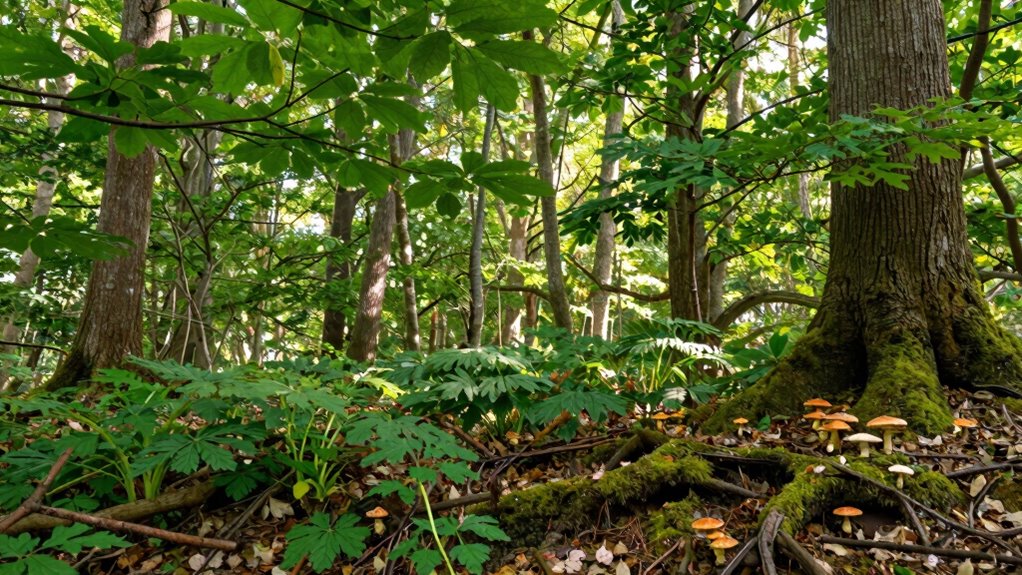
Many of the trees around you hold more than just aesthetic value; they are also sources of wild foods that can enrich your diet and deepen your connection to nature. When you learn to identify different tree species and understand their seasonal offerings, you reveal a wealth of foraging techniques that can expand your culinary options. Recognizing the edible parts—such as nuts, berries, leaves, and bark—requires a keen eye and some knowledge, but the rewards are worth the effort. As you become more familiar with these trees, you’ll notice patterns in their fruiting and leafing cycles, helping you plan your foraging trips more effectively. This knowledge not only provides access to nutritious wild foods but also encourages sustainable harvesting practices that preserve ecosystem diversity. Developing a holistic perspective on the environment enables you to appreciate how each tree contributes to the overall health of the ecosystem. Understanding ecosystem diversity is essential because it guarantees you’re respecting the environment while gathering wild foods. Different trees thrive in varied conditions, and each contributes uniquely to the local ecosystem. By learning about these trees, you gain insight into how they support other plants, insects, and animals around them. This interconnected web of life underscores the importance of respecting each component of the ecosystem. Recognizing the seasonal cycles of trees enhances your ability to forage responsibly, ensuring sustainability and abundance. This holistic perspective helps you forage responsibly, avoiding overharvesting and maintaining the health of the environment. When you approach foraging with respect for ecosystem diversity, you become more attuned to the interconnected web of life that sustains these trees and the broader ecosystem. Incorporating ecological knowledge into your foraging practices allows for a more sustainable and enriching experience. This awareness makes your foraging efforts more sustainable and enriching.
As an affiliate, we earn on qualifying purchases.
Frequently Asked Questions
How Do I Identify Edible Parts of a Tree Safely?
To identify edible parts of a tree safely, start with leaf identification—look for unique shapes, textures, and arrangements. Check tree bark for distinctive patterns or colors that match edible species. Always cross-reference your findings with reputable guides or expert sources. Avoid guessing, especially with unfamiliar trees. When in doubt, consult local foraging groups or experts to guarantee you’re harvesting safe, edible parts.
Are All Trees Suitable for Foraging Wild Foods?
Not all trees are suitable for foraging wild foods, much like not every book is a treasure. You should be cautious, as some trees have toxic bark or flower buds. Focus on known edible trees, such as birch or elder, and learn to identify their bark and flower buds. Always double-check your sources, and remember, just because it’s a tree doesn’t mean it’s safe to eat.
What Tools Are Best for Harvesting Wild Tree Foods?
You’ll want a sharp knife or pruning shears for harvesting tree bark and nuts efficiently. A small hand saw helps with thicker branches or bark. For nut harvesting, use a nutcracker or sturdy pliers to crack shells safely. Gloves protect your hands from splinters and thorns, and a basket or bag keeps your foraged foods organized. These tools make gathering tree bark and nuts safer and more effective.
How Do Seasons Affect Wild Food Availability From Trees?
Imagine the trees as seasonal storytellers, revealing their secrets through fruiting and dormancy. In spring and summer, they happily share their bounty with seasonal fruiting, offering you berries and nuts. As fall arrives, trees prepare for winter dormancy, reducing food availability. Knowing these patterns helps you harvest wild foods at their peak, ensuring you enjoy nature’s gifts when they’re most abundant and flavorful.
Can Learning Trees Improve My Foraging Skills Quickly?
Yes, learning trees can quickly improve your foraging skills. By understanding tree folklore, you’ll recognize signs and traditional knowledge that point to edible bark and other wild food sources. This knowledge helps you identify safe, nutritious options faster, even in unfamiliar environments. With practice, you’ll become more confident in harvesting edible bark and other wild foods, making foraging more efficient and rewarding.
Conclusion
By learning about trees, you open a world of wild food possibilities right in your backyard. Imagine discovering wild edible nuts from a mature oak or gathering sweet, ripe berries from a nearby hawthorn. Take Sarah, who started identifying local trees and now regularly harvest wild apples and nuts, enriching her meals and deepening her connection to nature. With a little knowledge, you too can turn trees into your personal pantry, making foraging both rewarding and sustainable.
Flea & tick season Picks
flea and tick prevention
As an affiliate, we earn on qualifying purchases.