
TL;DR

Get garden gear delivered free with Prime
- Fast, free delivery on millions of items
- Prime Video, Amazon Music and more included
- Member-only deals all year
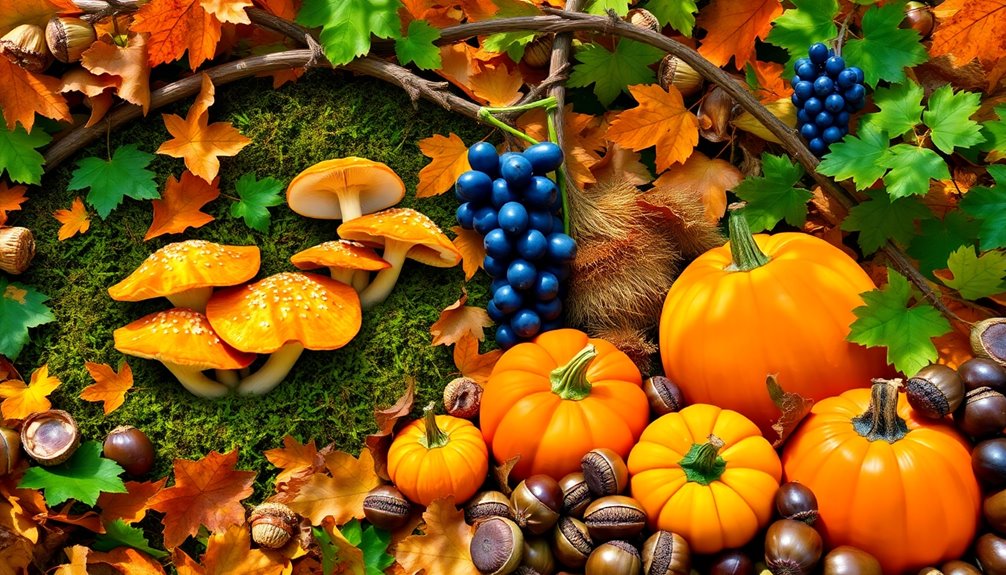
Interest in birth month fruits is increasing as people seek personalized plant symbolism. While some fruits are easy to grow, others depend on climate and season, much like the symbolism behind birth month moons. The trend is driven by curiosity about self-identity and gardening, which can be explored through understanding the symbolism of birth month moons.
Search interest in identifying the fruit associated with each birth month fruit has surged recently, driven by a growing curiosity about personal symbolism and gardening. While the practice of linking specific fruits to birth months is rooted in tradition and popular culture, the recent spike indicates a broader trend of people exploring personalized plant symbolism and self-identity through gardening.
According to recent trend signals, many online searches now focus on discovering which fruit corresponds to each birth month, along with what these fruits symbolize. For example, January is often linked with pomegranates, symbolizing abundance and fertility, while July is associated with peaches, representing warmth and happiness. Experts note that these associations are largely based on cultural traditions and astrology, rather than scientific or botanical standards.
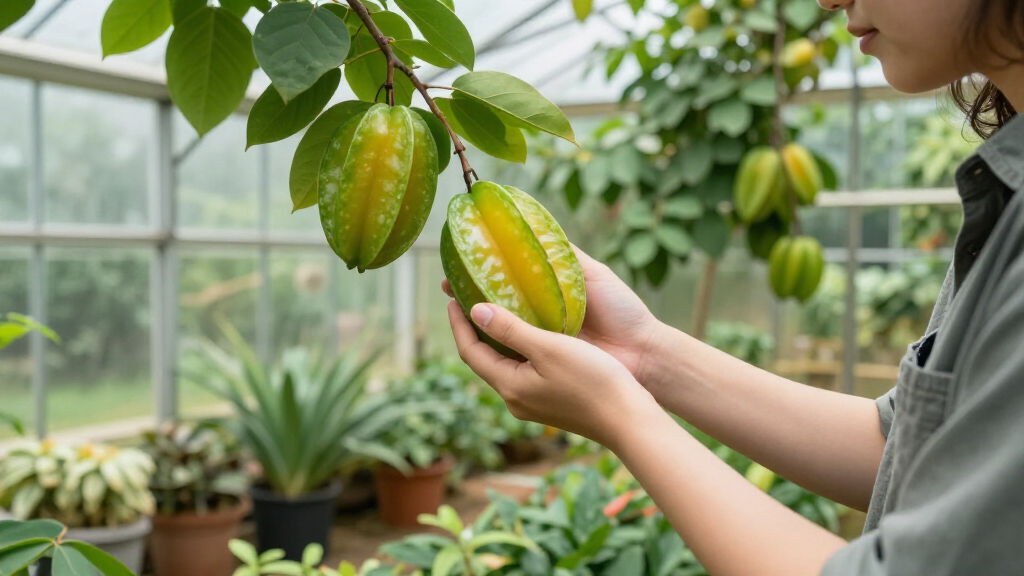
Some sources suggest that certain birth month fruits are easier to grow than others, depending on climate and seasonality. For instance, citrus fruits linked to winter months may thrive in warmer regions, while berries associated with summer months are more suitable for temperate zones. However, the trend appears to be more about personal meaning than practical gardening advice, with many enthusiasts experimenting with growing their birth month fruit regardless of local conditions.
Gardening experts caution that while some fruits are widely cultivated and adaptable, others require specific climate conditions or soil types. The rising interest may encourage more people to try growing these fruits, but success depends heavily on local environment and gardening experience. The trend’s popularity is also fueled by social media, where users share their progress and seek advice about cultivating their symbolic fruits.
Why the Birth Month Fruit Trend Matters for Personal Identity
This trend reflects a broader desire for personalized self-expression through gardening and symbolism. People are increasingly interested in connecting with nature in meaningful ways, using birth month fruits as a form of self-identity and cultural expression. It can also inspire new interest in home gardening, especially among those seeking to incorporate symbolic plants into their outdoor or indoor spaces.
Moreover, the trend highlights how traditional associations—such as those rooted in astrology or folklore—continue to influence modern wellness and lifestyle choices. While the practice is largely symbolic, it fosters a sense of connection to nature and personal history, which can have psychological and emotional benefits. However, experts warn that the trend’s popularity may lead to unrealistic expectations about growing certain fruits without considering local climate and gardening skills.
As an affiliate, we earn on qualifying purchases.
Origins and Cultural Roots of Birth Month Fruit Associations
The idea of linking specific fruits to birth months originates from cultural and astrological traditions that assign symbolic meanings to both. For centuries, various cultures have associated certain foods with personality traits, seasons, and zodiac signs. In Western astrology, for example, the zodiac signs correspond loosely with certain fruits, which are believed to embody particular qualities. These associations have been popularized through social media, lifestyle blogs, and wellness communities in recent years, fueling renewed interest.
While there is no scientific basis for these links, their cultural resonance persists. The trend appears to be a modern reinterpretation of age-old practices, adapted for a digital audience seeking personalized and meaningful lifestyle choices. The recent spike in searches suggests that people are exploring these symbolic connections as part of a broader movement toward self-awareness and mindfulness.
Despite the cultural popularity, experts note that the actual cultivation of these fruits varies greatly depending on climate, soil, and seasonality, which can limit practical gardening efforts. The trend is therefore more about personal symbolism than horticultural feasibility.
Unconfirmed Origins and Future of the Trend
It is not yet clear whether the spike in interest is driven by a specific campaign, social media challenge, or organic curiosity. The long-term sustainability of the trend remains unknown, and the accuracy of the symbolic associations varies across sources.Potential Developments and Growing Popularity
As interest continues to rise, experts anticipate more people will experiment with growing their birth month fruits, especially in regions with suitable climates. Gardening communities may develop more resources and guides tailored to these symbolic plants. Researchers and horticulturists might also explore the cultural significance of these associations further, potentially formalizing some of the symbolic links or debunking misconceptions.
In the coming months, social media platforms are likely to feature more user stories and success stories, reinforcing the trend’s popularity. Whether this will lead to a sustained movement or fade as a passing curiosity remains to be seen, but the current momentum suggests a growing cultural fascination with personalized plant symbolism.
Key Questions
Are all birth month fruits easy to grow at home?
Not necessarily. While some fruits linked to birth months, like strawberries or blueberries, are widely cultivated and easy to grow, others, such as citrus or tropical fruits, require specific climate conditions. Success depends on local environment and gardening experience.
Is there scientific evidence supporting these fruit associations?
No, the links between birth months and fruits are based on cultural, astrological, or folklore traditions, not scientific research. They are symbolic rather than factual.
Can growing my birth month fruit improve my well-being?
While gardening can have psychological benefits, there is no evidence that cultivating a fruit associated with your birth month directly impacts well-being. The trend is mainly symbolic and personal.
Will this trend continue to grow in popularity?
The current rise in interest suggests it may persist, especially with social media influence. However, its longevity depends on ongoing cultural appeal and practical gardening success stories.
Source: rss
Evergreen bestsellers Picks
bestsellers
As an affiliate, we earn on qualifying purchases.