TL;DR

Get garden gear delivered free with Prime
- Fast, free delivery on millions of items
- Prime Video, Amazon Music and more included
- Member-only deals all year
A Homes & Gardens report recommends three November tasks to prepare hostas for winter: clear away dead leaves and debris, apply a thin layer of mulch without covering the crown, and protect potted plants in a sheltered, well-drained spot. It also advises waiting until spring growth appears before fertilizing; results will vary with local conditions and plant health.
A Homes & Gardens report recommends that gardeners prepare hostas for winter in November by removing dead leaves and nearby debris, applying a thin layer of mulch, and protecting container-grown plants. The advice is intended to reduce winter risks and leave plants positioned to resume growth in spring, though it does not guarantee larger plants or a particular result. For more hosta-specific seasonal advice, see steps to help hostas return next year.
Begin by clearing away dead or yellow hosta leaves and leaf litter around the plant, including debris in nearby beds or containers. The report says this material can shelter slugs and snails and may harbor disease organisms over winter. Removing it can reduce hiding places for pests, but it will not eliminate slugs and snails from a garden. Leaves that come away easily can be removed by hand; any that remain attached can be cut near ground level with sharp pruners. Wear gardening gloves, since old foliage may be slimy after frost.
Once the plants have died back, apply a thin layer of compost, wood chips or bark mulch. The report says mulch can moderate soil temperatures, help retain moisture and reduce the risk of frost heave, when repeated freezing and thawing lifts plants out of the ground. Newly planted hostas and clumps divided in fall may be more vulnerable because their roots are less established. Keep mulch away from the crown, the point where the plant’s shoots meet its roots: material piled there can hold moisture and encourage rot.
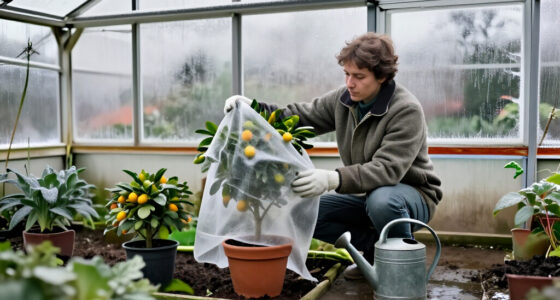
Hostas in the ground are generally described by the report as cold-hardy, while plants in pots need extra protection because their roots have less insulation. Move containers to a sheltered location, such as beside a wall or under eaves, or use an unheated greenhouse, cold frame or porch. A winter pot cover is another option. Raise pots on pot feet so excess water can drain, and keep plants dormant rather than bringing them into a heated home. The report also advises not fertilizing in November; wait until new growth begins in spring.
Protecting Hostas Through Winter
These jobs address different winter problems: debris can provide cover for pests, exposed roots may be affected by freezing and thawing, and containers can leave roots more vulnerable to cold and waterlogging. Clearing, mulching and moving pots are practical steps gardeners can take before winter conditions set in.
The report’s “bigger and stronger” framing should be read as an aim, not a promise. Winter care may help plants avoid preventable stress, but spring growth depends on conditions, including the hosta’s health, its growing site and local weather. The guidance does not provide trial data showing that these November tasks will make hostas larger than they would otherwise be.
Popular right now

KitchenAid 5.5-Qt Bowl-Lift Stand Mixer, Porcelain White (KSM55SXXX)

Roborock Robot Vacuum and Mop Combo with Self-Empty Dock

Philips Café Aromis Automatic Espresso Machine with LatteGo Pro Milk System
As an affiliate, we earn on qualifying purchases.
Why November Care Matters
Hostas are herbaceous perennials: their foliage dies back in fall, while the plants’ crowns and roots remain alive to produce growth again in spring. That seasonal dieback is normal, so the November work described here is about caring for the plant while it is dormant, not keeping leaves green through winter.
The source report says hostas can grow in USDA hardiness zone 3 and generally do not need winter protection in the ground. It identifies newly planted hostas and those grown in pots as exceptions that may need additional attention. The suggested tasks are seasonal guidance rather than a location-specific schedule; gardeners should account for their own climate and current weather.
What Winter Care Cannot Guarantee
The report offers horticultural recommendations but does not cite controlled research, quantify how much the tasks reduce pest or frost damage, or establish that hostas will return bigger than in the previous year. The outcome can vary by cultivar, soil, drainage, planting age and winter severity. Removing leaf litter may reduce shelter for slugs and snails, but it cannot prevent all pest activity or disease.
It is also not possible to give one exact date for these tasks across all regions. November conditions differ, and the source does not specify a single local forecast or planting zone for readers. Gardeners should make adjustments for local frost timing and avoid working saturated soil or damaging crowns while clearing foliage.
Spring Growth Sets the Next Step
After the November cleanup, keep container plants sheltered and draining through winter, and leave in-ground hostas dormant. Check pots periodically for blocked drainage or standing water, especially after wet or freezing weather. Do not feed the plants while they are dormant, according to the report.
When new shoots emerge in spring, gardeners can resume seasonal care and consider feeding then. Watch for fresh slug or snail damage as foliage appears; the November cleanup is a preventive measure, not a substitute for monitoring plants during the growing season.
Key Questions
What should I do to hostas in November?
Remove dead leaves and nearby debris, add a thin layer of mulch without covering the crown, and move potted hostas to a sheltered place with good drainage.
Should I cut back hosta leaves in fall?
The report advises removing dead or yellow leaves after the plants die back. Leaves that do not come away easily can be cut near ground level with sharp pruners; avoid damaging the crown.
Do hostas in pots need winter protection?
Yes. Their roots have less insulation than roots in the ground. Place pots in a sheltered area or an unheated structure, consider an insulating pot cover, and raise containers so water drains.
Should I fertilize hostas in November?
No. The report recommends waiting until new growth begins in spring before feeding hostas.
Will these steps make hostas bigger next year?
They are intended to help hostas get through winter in good condition, but larger growth is not guaranteed. Results depend on plant health, growing conditions and the winter.
Source: homesandgardens.com