TL;DR

Get garden gear delivered free — and shop member deals
- Fast, free delivery on millions of items
- Access to Prime Big Deal Days deals on October 6–7
- Prime Video, Amazon Music and more included
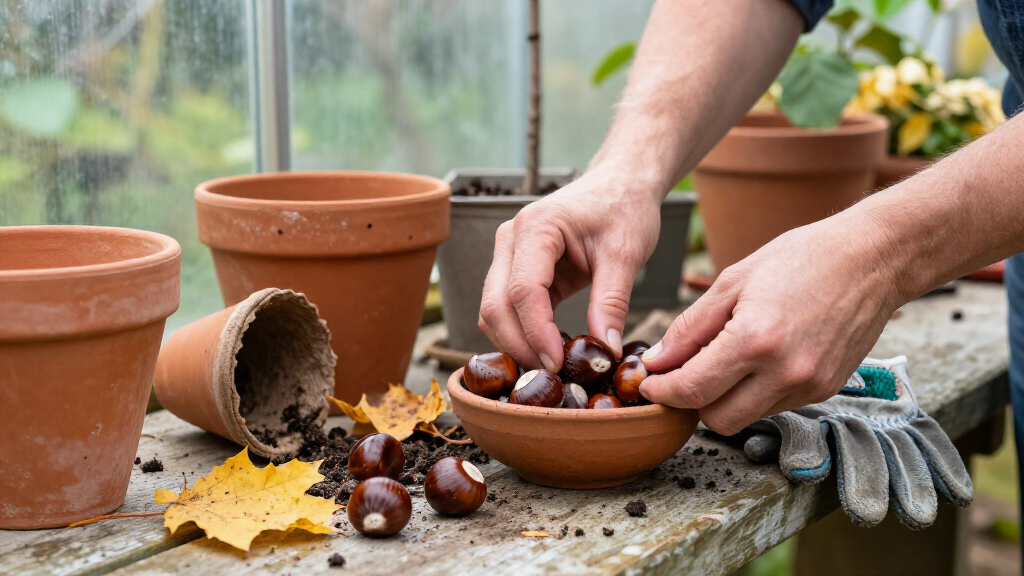
A report by Ideal Home outlines five ways to reuse fallen horse chestnut seeds: composting, making wildlife shelter, deterring clothes moths, creating autumn decorations and making a soapy cleaner. The report says conkers are not a scientifically supported spider deterrent, and advises keeping them away from pets and livestock that might eat them.
Ideal Home has reported five ways to reuse conkers around the home and garden this autumn, including adding chopped seeds to compost, using them in wildlife-friendly corners and making seasonal decorations. The suggestions offer ways to use fallen horse chestnut seeds rather than discard them, but the report also warns that claims they repel spiders lack scientific support and that conkers should be kept away from animals that may eat them.
Gardening expert Lucie Bradley of Harvst says conkers can be added to compost as a “brown” material to balance nitrogen-rich additions such as grass clippings and kitchen scraps. Because they break down slowly, Bradley recommends chopping or crushing them first. She says the resulting compost is better reserved for ornamental plants, citing a mild toxin in conkers identified in the report as “aesulin.”
Luke Newnes, a gardening expert with Hillarys, suggests placing conkers among logs, leaves and twigs in wildlife-friendly areas to provide shelter for insects and other small garden creatures. He cautions that they should not be left where pets or livestock could eat them. Newnes also recommends using conkers with fallen leaves, pinecones and pumpkins in outdoor displays, or threading them onto string for seasonal garlands.
The report’s fifth suggestion is to use conkers to make a cleaner. Bradley says their saponins form a lather in water that can help lift dirt from hands, gardening tools and some garden furniture. She describes the mixture as a natural alternative to chemical cleaners; the article does not give a tested recipe or detail its effectiveness on different materials.
Putting Fallen Seeds to Use
For households with a pile of collected conkers, these ideas turn an abundant seasonal material into possible uses for garden care, simple crafts and household cleaning. The wildlife suggestion also links reuse with creating small sheltered spaces for garden creatures, while the compost advice gives gardeners a way to handle conkers without putting them straight into general waste.
The limits matter as much as the suggestions. The report does not establish that every use will work equally well, and it rejects the familiar spider-repellent claim. Its cautions on slow compost breakdown, ornamental use and animal access help readers distinguish practical suggestions from assumptions about what conkers can do.
As an affiliate, we earn on qualifying purchases.
The Five Uses in the Report
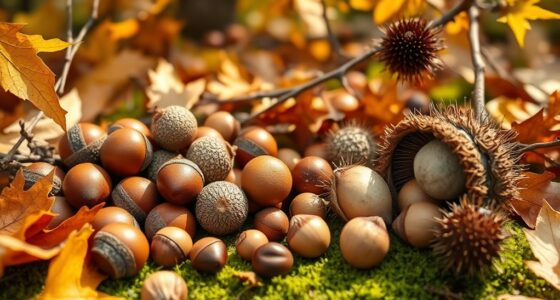
Conkers are the seeds of the horse chestnut tree and are widely collected in autumn, often for children’s games. Ideal Home’s report frames the five uses as ways to make use of surplus seeds: compost, wildlife shelter, a possible clothes-moth deterrent, autumn décor and a soapy cleaning mixture. It attributes the gardening and cleaning advice to Bradley and the habitat and decoration suggestions to Newnes.
The report makes a distinction between two pest claims. It calls the idea that conkers deter spiders an old wives’ tale without scientific basis. Bradley says, by contrast, that drying conkers release a pungent scent and that their triterpenoid saponin may help deter moths from cupboards or drawers. That is an expert’s explanation in the article, not evidence of a measured level of effectiveness.
“Conkers take a long time to break down and … are best chopped or crushed before adding them so they will break down faster.”
— Lucie Bradley, gardens and greenhouse expert at Harvst
Limits of the Conker Claims
The source does not provide independent studies, tests or measurements to show how well conkers deter clothes moths or clean particular surfaces. It presents those uses through expert comments, so their practical results may vary. The article also gives no detailed instructions for preparing detergent or soap, including quantities, storage guidance or precautions for particular fabrics and finishes.
The report identifies a mild toxin as “aesulin” but does not explain exposure levels or provide veterinary guidance. Its practical warning is clear: do not leave conkers where pets or livestock may eat them. It also does not specify how much conker material is suitable for a compost heap or how long it will take to decompose.
Using Conkers Safely This Autumn
The report offers suggestions rather than a new product, formal study or scheduled follow-up. Readers who try them can follow the cautions given: chop or crush conkers before composting, use that compost for ornamentals rather than vegetables, and keep conkers out of reach of animals that may eat them. For displays or wildlife corners, Newnes suggests combining them with natural materials already available in the garden.
Anyone considering conker-based cleaners or moth deterrents should treat the claims as suggestions from the experts quoted, not guarantees of performance. The source gives no recipe or product testing, and it specifically says conkers should not be relied on to repel spiders.
Key Questions
Can conkers be added to compost?
Yes. Lucie Bradley says they can be used as a brown compost material, but advises chopping or crushing them because they break down slowly. She recommends using the finished compost for ornamental plants rather than vegetables, citing a mild toxin in conkers.
Do conkers keep spiders away?
The report says there is no scientific basis for the claim that conkers repel spiders. Bradley instead describes a possible use against clothes moths, though the article provides no effectiveness testing.
Are conkers safe to leave in a garden with pets?
Newnes advises against leaving conkers where pets or livestock may eat them. Keep them out of reach of animals.
Can conkers be used to make a cleaner?
Bradley says conkers contain saponins that form a lather when mixed with water and suggests using the mixture for tasks such as cleaning hands or gardening tools. The report does not provide a recipe or test results for specific surfaces.
What are the five suggested uses?
The report lists composting, wildlife shelter, clothes-moth deterrence, autumn decorations and cleaning. It cautions that the spider-repellent belief is unsupported and advises care around animals.
Source: rss
Fall Picks
fall essentials
As an affiliate, we earn on qualifying purchases.