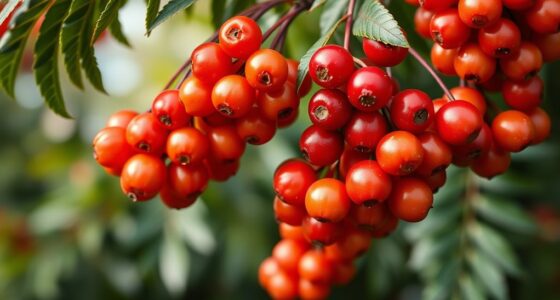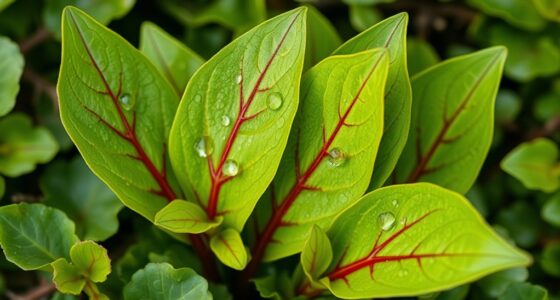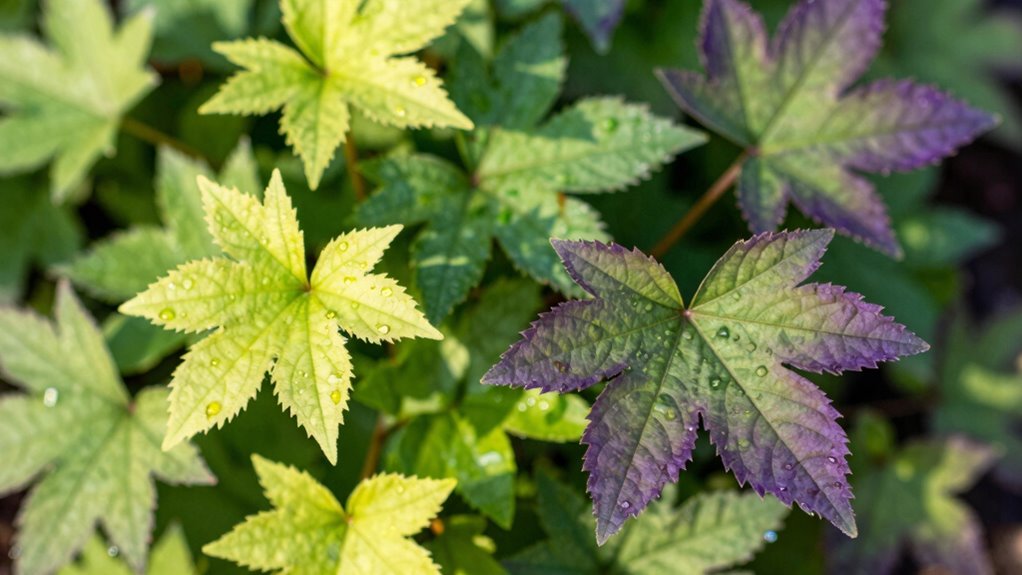

You’ll notice wild greens change flavor throughout the season because they respond to environmental shifts and their growth cycle. In early spring, they’re tender and mild, while summer greens develop stronger, sometimes bitter flavors due to more sunlight and heat. Late in the season, they become fibrous and earthy as they store energy for seed production. These variations impact taste, texture, and nutrients, so understanding these changes helps you harvest and enjoy greens at their best—there’s more to discover behind each seasonal shift.

Get garden gear delivered free with Prime
- Fast, free delivery on millions of items
- Prime Video, Amazon Music and more included
- Member-only deals all year
Key Takeaways
- Environmental factors like sunlight and heat increase in summer, intensifying flavor and sometimes adding bitterness.
- Plants produce more concentrated flavors as they prepare for seed production in late summer and fall.
- Growth cycle changes cause variations in nutrient levels, affecting taste and nutritional profile.
- Seasonal shifts in plant maturity lead to texture changes, from tender in spring to fibrous in late summer and fall.
- The plant’s response to environmental stress and energy storage influences flavor development throughout the year.

As the seasons shift, so do the flavors of wild greens, offering a vibrant and ever-changing palette for your culinary adventures. You’ll notice that what’s available now in spring differs greatly from what you find in summer or fall. This seasonal variation isn’t just about taste—it’s rooted in the plant’s natural response to environmental changes and growth cycles. To make the most of these greens, it’s helpful to understand why their flavors fluctuate and how to approach foraging safely and effectively. Foraging tips become essential in identifying which greens are in season and at their peak, ensuring you gather safe, fresh, and flavorful plants. Always double-check plant identification and avoid greens that have been exposed to pollutants or pesticides.
During early spring, many wild greens tend to have a mild, tender flavor. These greens, like young nettles or dandelion greens, often contain high water content, making them delicate and slightly bitter. As the season progresses into summer, these greens can develop a more robust, sometimes more bitter taste due to increased sunlight and heat. The plants start producing more concentrated flavors as they prepare for seed production, which enhances their nutritional benefits. In late summer and fall, many greens become more fibrous and hearty, with a richer, earthier flavor. This change results from the plant’s effort to store energy and nutrients for winter, making them a good source of fiber and antioxidants. Recognizing these seasonal flavor profiles can help in selecting the best greens for different culinary uses.
Early spring greens are tender, mild, and slightly bitter, perfect for delicate salads and light dishes.
The nutritional benefits of wild greens are significant and evolve with the seasons. Early in the year, they’re packed with vitamins like vitamin C and antioxidants that support your immune system. As the greens mature, their nutrient profile shifts—developing higher levels of minerals such as iron, calcium, and magnesium, which are vital for your overall health. The increased bitterness in late-season greens can also indicate higher levels of beneficial phytochemicals. Additionally, incorporating sound vibrations into your routine can enhance nutrient absorption from these greens. It is also worth noting that proper filtration and pump protection techniques can help maintain the freshness and safety of foraged greens when preparing them for consumption. By harvesting greens at different times, you not only enjoy diverse flavors but also benefit from a broad spectrum of nutrients that bolster your health. Paying attention to the plant’s growth cycle can help you determine the optimal time to harvest for maximum flavor and nutrition.
Understanding why wild greens change flavor through the season helps you appreciate their natural cycles. It encourages mindful foraging, emphasizing responsible harvesting practices that respect plant growth and ecosystems. As you gather greens, pay attention to their appearance, taste, and seasonality to maximize both flavor and nutritional benefits. Whether you’re adding tender spring greens to salads or hearty fall greens to stews, recognizing these seasonal shifts allows you to craft dishes that highlight the best qualities of each plant. Embracing these changes keeps your culinary experience fresh and in tune with nature’s rhythm.
Popular right now

De’Longhi Classic Matte Black Espresso Machine with Milk Frother

Roborock Robot Vacuum and Mop with LiDAR Navigation and 10,000 Pa Suction

Ninja Luxe Café Mini Plus Espresso and Drip Coffee Machine with AutoFroth, Stainless Steel, ES351
As an affiliate, we earn on qualifying purchases.
Frequently Asked Questions
How Do Weather Patterns Affect Wild Greens’ Flavor?
Weather patterns directly influence wild greens’ flavor, causing flavor profile shifts and seasonal aroma variations. When it’s rainy or humid, greens tend to be milder and juicier, while dry, sunny weather can intensify their bitterness and aromatic notes. Temperature fluctuations also impact taste, making greens more pungent or delicate. You’ll notice these changes as the weather shifts, giving each season’s greens a unique flavor experience you can enjoy and explore.
Can Harvesting Time Alter Wild Greens’ Nutritional Content?
Yes, harvesting time can alter wild greens‘ nutritional variation. When you wild harvest, picking greens at different times affects their nutrient levels, as plants store nutrients differently throughout their growth cycle. Early harvests might have higher vitamin content, while later ones could develop more minerals. By timing your harvest precisely, you can maximize the nutritional benefits of wild greens, ensuring you get the most health benefits from your foraging.
Do Different Regions Produce Flavor Variations in Wild Greens?
Yes, different regions do produce flavor variations in wild greens due to regional cultivation practices. You might notice that greens from one area taste more bitter or milder than those from another, influenced by soil, climate, and local flora. These regional differences affect flavor consistency, so when foraging or cooking, consider the origin of your greens to understand their unique taste profiles and how they might change depending on where they’re grown.
How Do Soil Conditions Influence Wild Greens’ Taste?
Soil conditions, like mineralization and pH balance, directly influence how wild greens taste. When soil is rich in minerals, greens can develop a more robust or bitter flavor. A balanced pH guarantees nutrients are accessible, affecting the plant’s overall flavor profile. If the soil is too acidic or alkaline, it can make greens taste sour or dull. You’ll notice these subtle flavor shifts depending on the soil’s mineral content and pH level.
Are There Specific Methods to Preserve Flavor Changes?
Think of wild greens like a symphony, where each note changes with the season. To preserve their unique flavors, you can use flavor preservation techniques like quick blanching or freezing to lock in taste. Cooking methods for wild greens, such as steaming or sautéing, also help maintain their fresh flavor. These methods let you enjoy the seasonal nuances anytime, keeping that vibrant, garden-fresh taste alive.
Conclusion
As the seasons shift, so do the flavors of wild greens—from bright, youthful bites to deeper, earthier notes. You might crave the fresh zing of spring, only to find comfort in the robust flavors of fall. Just like life’s changing seasons, these greens remind you that growth and transformation bring new tastes and textures. Embrace the journey, savor each phase, and discover that even wild greens adapt, offering surprises just when you least expect them.