TL;DR

Get garden gear delivered free with Prime
- Fast, free delivery on millions of items
- Prime Video, Amazon Music and more included
- Member-only deals all year
A Planet Natural report warns that a cold frame can heat up quickly in November sun, even when frost remains outside. It recommends using a shaded thermometer at plant height, adjusting vents to crop needs and planning for midday when no one is home.
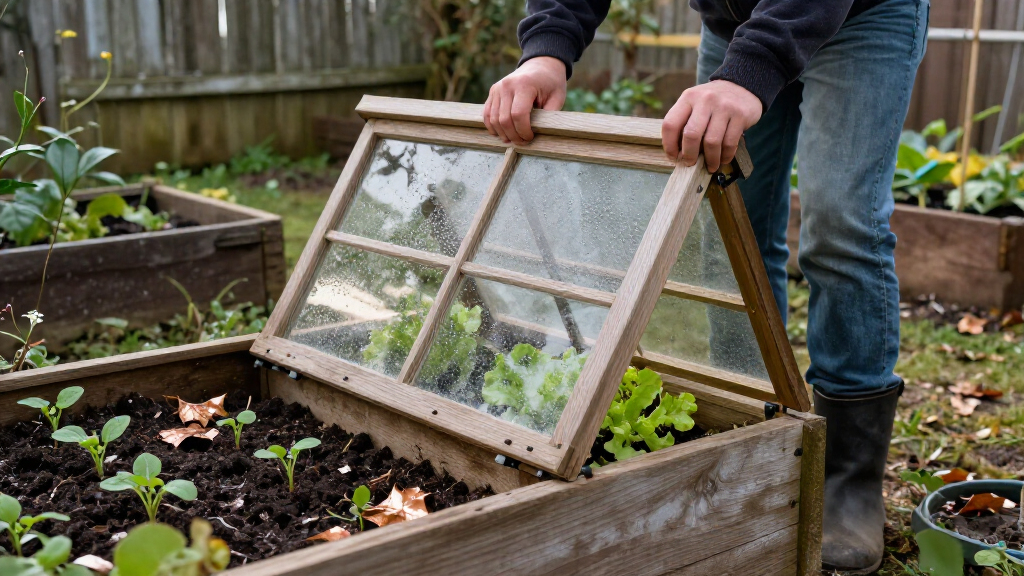
Planet Natural has outlined a November cold-frame venting routine advising gardeners to monitor air temperature at plant height and adjust the lid as sunlight changes, rather than keeping the frame shut because the weather feels cold. The guidance matters because a clear lid can trap enough solar heat to stress plants while frost remains on the ground outside.
The report recommends placing an air-temperature sensor at current crop height, shaded from direct sun and kept clear of leaves, soil, glazing and frame walls. A thermometer heated by sunlight may not reflect the air around the plants. A minimum-maximum model can record extremes between checks, but a remote reading helps only if someone is able to respond.
Gardeners should start with a temperature range suited to the crop, not a single target for every frame. The report cites Nebraska Extension guidance of about 60–65°F at plant level for cool-season seedlings after germination. It presents that as a reference for those seedlings, not a universal requirement; established winter greens may tolerate much cooler conditions.
On a frosty morning, the routine calls for checking the forecast and thermometer before opening the lid widely. As sun raises the temperature, start with a small opening if someone is nearby, then increase it as needed. The report advises using a secure lid stay or prop and, where practical, opening on the side away from prevailing wind, following guidance from University of Missouri Extension.
Preventing Heat Stress Under Glass
A cold frame is intended to shelter plants, but its enclosed, sunlit space can become warmer than outdoor conditions suggest. Frost outside is not a reliable guide to the temperature inside, so a fixed rule such as opening only at noon may leave plants exposed to excessive heat earlier in the day.
That can matter for gardeners who rely on frames to protect greens or seedlings through cold nights. A temperature-led routine helps balance daytime ventilation with overnight protection. It also makes clear that ventilation and watering are separate decisions: condensation on the lid does not show whether the root zone needs water, and drooping leaves in a hot frame do not automatically mean the soil is dry.
The practical challenge is timing. Someone at home can adjust the lid as clouds pass or sunlight strengthens; someone away may need an automatic opener, a midday check or a more conservative setup. The report cautions that an automatic device does not remove the need to check its operation, wind security and ability to release heat.
Popular right now

Ninja Luxe Café Premier 3-in-1 Espresso Machine, Drip Coffee & Cold Brew

Bose QuietComfort True Wireless Earbuds with Active Noise Cancellation, Black

Ninja Flip Toaster Oven and Air Fryer, 8-in-1, Stainless Steel, SP151
As an affiliate, we earn on qualifying purchases.
November Sun Changes Frame Conditions
The report’s central point is that the month and outdoor feel do not determine the frame’s internal temperature. A clear cover that helps retain warmth overnight also admits sunlight during the day. A small enclosure can warm rapidly, particularly when the sun reaches it, even if the surrounding air is cold.
For morning checks, the report advises looking at expected sun, wind and overnight lows, then reading the thermometer before deciding how far to open the frame. Remove a night blanket or mat when conditions allow daylight to reach the plants. If ice or snow has stuck the lid, clear it carefully and inspect the hinges and glazing rather than forcing it.
Watering should follow the condition of the growing medium, not a daily schedule or the appearance of condensation. Because a cold frame excludes some rainfall, soil outside can be damp while the bed inside is dry. When watering is needed, the report recommends applying it to the soil early enough for foliage to dry before the frame is closed for the night.
Crop Targets and Local Conditions
There is no single temperature range for every crop or cold frame in the report. The cited 60–65°F reference applies to cool-season seedlings after germination; the suitable operating range for a particular planting depends on what is growing and its stage. The report does not provide a universal vent-opening size or schedule.
How quickly a frame heats also depends on its design, glazing, sunlight, wind and location. The report gives no measured temperature rise for a typical November day, and it does not claim that every frame will overheat under the same conditions. Gardeners must use readings from their own setup and respond to the crop’s needs.
Automatic openers also vary. Their compatibility with a lid’s weight and construction, maximum opening and performance in local conditions need to be checked. A small vent may not release enough heat, and an opener cannot clear snow, repair a hinge or guarantee protection in severe wind.
Check the Frame Through Each Day
The report’s routine continues into late afternoon: as direct sun leaves the frame and excess heat is no longer a risk, reduce ventilation and watch the thermometer before closing for the night. The source material ends during this evening guidance and does not specify a closing temperature or a universal nighttime setting.
For gardeners using an automatic opener, the recommended next step is to follow the manufacturer’s installation and temperature-setting instructions, then observe the mechanism through several sunny and cold periods before relying on it. Check that the lid is secure in wind and that the opener’s range is adequate for the frame.
For manual operation, arrange a dependable midday check or use a conservative ventilation setting informed by measurements from the frame. Continue to check air temperature and soil moisture separately, and adjust the routine as the forecast and crop conditions change.
Key Questions
Can a cold frame overheat in November?
Yes. Sunlight through a clear lid can warm the enclosed space even when the outdoor air is cold or the ground is frosty. Check the temperature near the plants instead of judging by outdoor conditions alone.
Where should I put a thermometer in a cold frame?
Place the sensor at the height of the current crop, shaded from direct sunlight and clear of the glazing, soil, frame walls and leaves. Direct sun on the sensor can give a misleading reading.
When should I open the lid?
Begin monitoring as sunlight reaches the frame. Open it gradually as the temperature rises toward the range appropriate for the crop, then check whether the opening is keeping conditions suitable. There is no universal opening time or target for every frame.
What if I cannot check the frame at midday?
Options include arranging a reliable midday check, using a compatible automatic vent opener, or choosing a conservative ventilation setting based on readings from your frame. Test an automatic opener through different conditions before relying on it; it may not release enough heat in every setup.
Does condensation mean my plants need water?
No. The report advises checking soil moisture separately from air temperature. Condensation on the lid does not show whether the root zone is dry, and drooping leaves in an overheated frame do not automatically call for watering.
Source: planetnatural.com