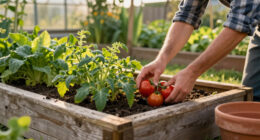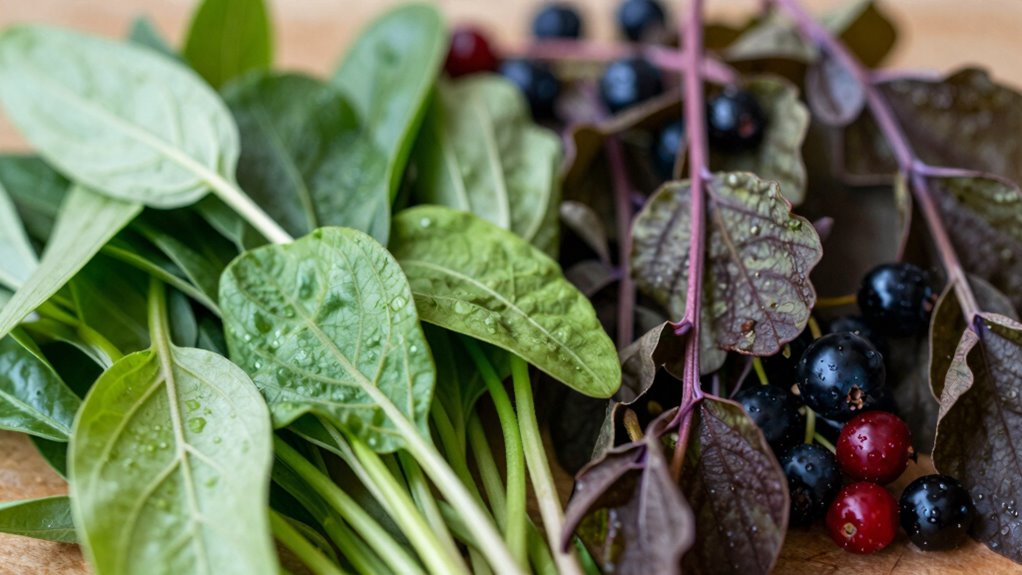

When you pick wild foods young, you’re getting the best nutrients and delicate flavors. Young plants store high levels of vitamins, minerals, and antioxidants, while mature plants develop stronger, sometimes bitter tastes. Harvesting early also preserves fresh, subtle flavors that enhance any dish. Plus, it supports sustainable foraging and helps maintain ecological balance. Want to discover more about the benefits of harvesting wild foods at the right time? Keep exploring for deeper insights.

Get garden gear delivered free with Prime
- Fast, free delivery on millions of items
- Prime Video, Amazon Music and more included
- Member-only deals all year
Key Takeaways
- Young wild foods contain higher levels of essential nutrients and antioxidants compared to mature plants.
- Harvesting early preserves delicate, subtle flavors that diminish with plant aging.
- Young plants are more tender and easier to incorporate into a variety of dishes.
- Collecting wild foods at the right stage supports sustainable foraging and ecological balance.
- Early harvesting aligns with traditional practices and enhances culinary versatility.
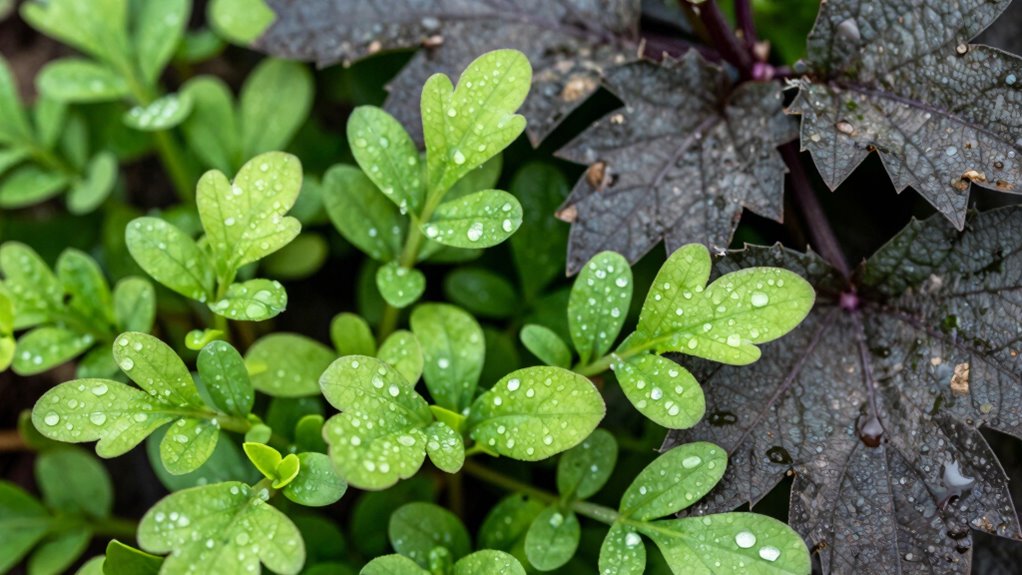
Many wild foods are at their peak when harvested young, offering more tender textures and richer flavors than their mature counterparts. When you pick a young wild plant or fruit, you’re tapping into a stage where nutrient concentration is typically at its highest. Young plants often concentrate essential vitamins, minerals, and antioxidants in their early growth phases, making them more nutritious than their fully matured versions. For example, young greens like wild spinach or wild lettuce pack a punch of vitamins A, C, and K, which can diminish as the plant ages and diverts energy into structural growth. This heightened nutrient density means that eating wild foods at their young stage isn’t just about flavor; it’s about maximizing health benefits. Additionally, harvesting at the right time can help ensure you’re collecting the plant before it begins to produce seeds, which often leads to changes in flavor and nutrient content. Flavor development plays a vital role in why you might prefer young wild foods. As plants mature, they often develop stronger, sometimes bitter or woody flavors, which can overshadow their delicate, fresh notes. Young wild foods tend to have a more subtle, nuanced flavor profile that highlights their natural sweetness or earthiness. For instance, the tender shoots of wild herbs or young fiddleheads have a fresh, grassy aroma that intensifies as they mature, sometimes becoming unpleasant or overly fibrous. When you harvest these foods early, you get a cleaner, more vibrant taste that’s easier to incorporate into a variety of dishes. Moreover, understanding the growth stages of wild plants can help you determine the optimal time for harvesting to maximize both flavor and nutrients. Knowing the best harvesting times can also prevent overharvesting and help sustain wild populations, supporting ecological balance. Recognizing the cultural significance of these foods can also deepen your appreciation for their traditional uses and methods of preparation. Being aware of these factors can also guide you in choosing the most appropriate harvesting techniques to ensure sustainability and minimal environmental impact. The delicate flavors of young wild foods can complement other ingredients without overpowering them, making them versatile in your cooking. In sum, harvesting wild foods at their youthful stage allows you to enjoy optimal nutrient density and flavor, ensuring you get the most health benefits and culinary pleasure from your foraged finds.
Popular right now

Bose QuietComfort Headphones (2nd Gen), Wireless Noise-Cancelling Over-Ear Headphones, Eucalyptus Green

Dyson V8 Cordless Vacuum

Shark AI Ultra Robot Vacuum with Self-Empty Base
As an affiliate, we earn on qualifying purchases.
Frequently Asked Questions
Do Young Wild Foods Have More Nutrients Than Mature Ones?
Yes, young wild foods often have higher nutrient concentration than mature ones because they’re still actively growing and haven’t lost nutrients over time. You’ll also notice their flavor profiles are more delicate and vibrant, making them more appealing for culinary use. Eating them young can give you a boost of vitamins and minerals, as their fresh state preserves more nutrients, providing better nutritional benefits and a more enjoyable taste experience.
How Can I Identify the Best Stage to Harvest Wild Foods?
You’re on the right track—timing is everything. Think of plant maturity as a story unfolding; you want to catch it at its prime, not past its sell-by date. To identify the best stage for harvest, observe the plant’s size, color, and tenderness. Harvest timing depends on these signs, ensuring you pick wild foods when they’re most flavorful and nutritious, before they become tough or overripe.
Are Young Wild Foods Safer to Eat Than Mature Ones?
Young wild foods are often safer to eat because they usually contain fewer toxins and less bitterness. However, you should still be cautious, as toxicity concerns can persist at any stage. Always follow harvesting regulations to guarantee safety and sustainability. Proper identification is essential, and harvesting at the right maturity reduces risks. When in doubt, consult expert guides or local authorities to avoid harmful effects and enjoy wild foods responsibly.
Do Taste and Texture Differ Significantly Between Young and Mature Wild Foods?
Yes, taste and texture can differ markedly between young and mature wild foods. You’ll notice that young plants often have milder, more delicate flavor profiles, while mature ones may develop stronger, sometimes more bitter or earthy tastes. Texture variations are also common; young wild foods tend to be tender and crisp, making them more pleasant to eat, whereas mature versions can be tougher or woodier.
Can Harvesting Young Wild Foods Impact Their Future Growth?
Harvesting young wild foods can impact their future growth if you’re not mindful. Sustainable harvesting practices help maintain healthy population dynamics, ensuring plants and fungi can reproduce and thrive. By selectively collecting only what you need and avoiding overharvesting, you support the long-term availability of these foods. This approach helps preserve ecosystems and prevents depletion, allowing wild foods to continue growing for future foragers and maintaining ecological balance.
Conclusion
So, next time you stumble upon wild greens or berries, remember: they’re basically teenagers in disguise—better before they hit adulthood. Why settle for the tough, flavorless mature version when you can enjoy the tender, tastier young one? It’s nature’s own version of “early bird gets the worm,” but with a dash of irony. Embrace the youthful exuberance of wild foods; after all, who knew that maturity isn’t always an upgrade?