As your site expands, practicing strong foraging ethics becomes more important to protect ecosystems and guarantee sustainable use of resources. Overharvesting or improper techniques can harm local plants and fungi, disrupting habitat balance and threatening species. Following responsible practices, like taking only what you need and respecting conservation rules, helps maintain biodiversity and ecosystem health. If you want to know how you can make a positive impact as your site grows, continue exploring these essential principles.

Get garden gear delivered free with Prime
- Fast, free delivery on millions of items
- Prime Video, Amazon Music and more included
- Member-only deals all year
Key Takeaways
- Increased site popularity amplifies environmental impact, making ethical foraging essential for ecosystem health.
- Larger foraging sites risk overharvesting, threatening plant and fungi populations.
- Ethical practices help maintain biodiversity and prevent habitat degradation as the site expands.
- Growing sites attract more foragers, necessitating stricter adherence to sustainable harvesting principles.
- Responsible foraging supports conservation efforts amid increased human activity.
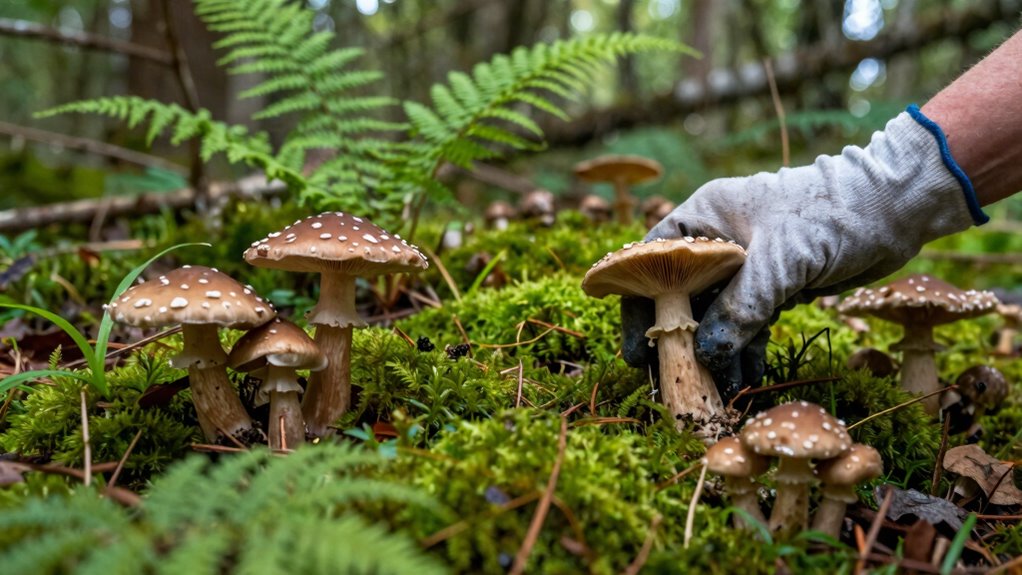
Have you ever considered the impact of your foraging habits on the environment? As your foraging site grows in popularity, your actions can profoundly affect local ecosystems. It’s easy to overlook how gathering wild plants and fungi influences the land, but practicing sustainable harvesting is essential. Sustainable harvesting means collecting only what you need without damaging the plant populations or disturbing the surrounding habitat. When you take only a portion of a plant or fungi, allowing the rest to thrive and reproduce, you help guarantee these resources remain available for future foragers and wildlife alike. Overharvesting can lead to the decline of certain species, which may upset the delicate balance of the ecosystem. As your site becomes more frequented, the importance of respecting these boundaries increases, so you preserve the environment rather than deplete it. Incorporating proper plant preservation techniques can further ensure the health of your foraging area. Additionally, understanding the ecological impact of your harvesting choices can guide you toward more sustainable practices. Recognizing the long-term effects of your actions emphasizes the importance of responsible foraging for maintaining biodiversity. Being aware of local regulations can also help ensure your practices are compliant and respectful of conservation efforts. Moreover, understanding water conservation principles can help prevent unnecessary ecosystem stress in surrounding habitats.
As an affiliate, we earn on qualifying purchases.
Frequently Asked Questions
How Do Foraging Ethics Vary Across Different Cultures?
You’ll find that foraging ethics vary across cultures because different communities prioritize their cultural traditions and ethical considerations differently. Some cultures emphasize respecting nature and sustainable harvesting, while others focus on honoring ancestral practices. These differences influence how you approach foraging—what’s acceptable in one culture might not be in another. Understanding these variations helps you appreciate diverse perspectives and guarantees you forage responsibly, respecting each community’s values and environmental boundaries.
What Are the Legal Implications of Foraging in Protected Areas?
You need to understand that legal boundaries restrict foraging in protected areas, making it illegal to harvest certain plants or fungi without permission. Permitted harvesting is often limited to specific species, quantities, or seasons, and violating these rules can lead to fines or legal action. Always check local regulations before foraging, as respecting these legal boundaries helps preserve ecosystems and guarantees sustainable use of natural resources.
How Can Beginners Learn Responsible Foraging Practices?
To learn responsible foraging, start by researching sustainable harvesting techniques and ethical foraging practices. Join local foraging groups or workshops to gain hands-on experience and advice from experienced foragers. Always respect the environment by only taking what you need, avoiding protected species, and leaving enough behind for future growth. Practice mindful harvesting, and prioritize conservation to guarantee your foraging benefits both nature and future foragers.
What Impact Does Foraging Have on Local Ecosystems?
You should know that overharvesting can reduce plant diversity, essential for ecosystem health. Foraging can cause habitat disturbance if not done responsibly, risking the survival of native species. When you harvest thoughtfully, you help preserve local ecosystems, maintaining plant diversity and preventing habitat destruction. Responsible foraging supports a balanced environment, ensuring that future generations can enjoy the same rich biodiversity you do today.
How Can Foragers Ensure They Don’t Overharvest?
You can guarantee you don’t overharvest by practicing sustainable harvesting and ethical sourcing. Always take only what you need, leaving enough for the ecosystem to thrive. Use proper tools to minimize damage, and avoid rare or endangered species. Educate yourself about local regulations and seasonal patterns. By respecting the environment and adhering to ethical foraging principles, you help preserve the site’s health for future generations.
Conclusion
As your site grows, remember that “a rising tide lifts all boats.” Practicing strong foraging ethics isn’t just about respecting nature; it’s about ensuring the sustainability of your community and future harvests. By being mindful and responsible, you help preserve the delicate balance that makes foraging possible. Keep ethics at the forefront, and you’ll foster a thriving environment where everyone, including future foragers, can benefit and flourish.
Halloween Picks
halloween
As an affiliate, we earn on qualifying purchases.