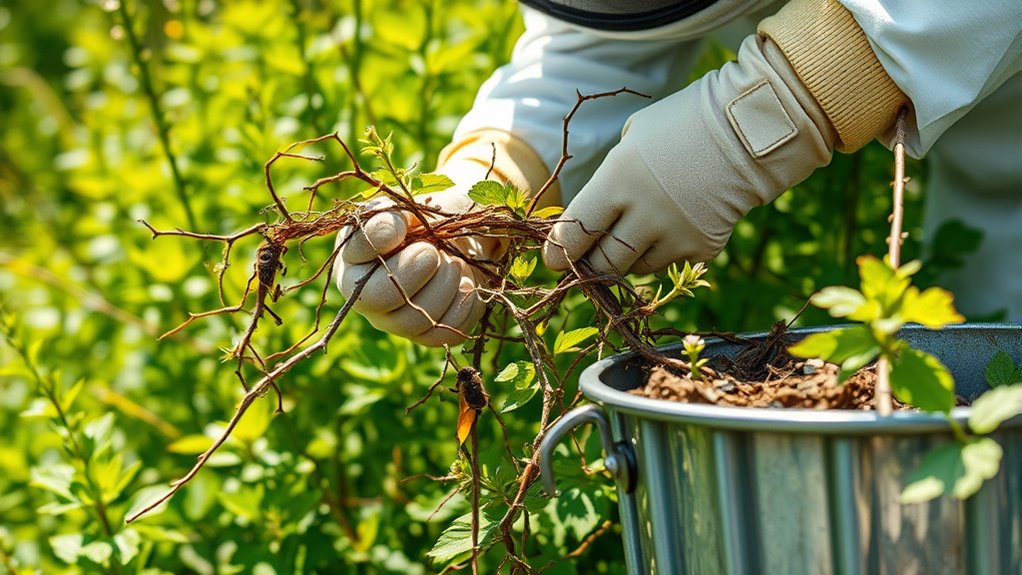

When undertaking invasive removal foraging, prioritize safety by wearing gloves, long sleeves, and eye protection to avoid irritations and injuries. Use a strategic approach by accurately identifying invasive species like kudzu or Japanese knotweed, removing only necessary amounts, and avoiding harm to native plants. Proper disposal, such as bagging debris and following local regulations, prevents reinfestation. If you keep exploring, you’ll discover more essential tips to restore ecosystems responsibly and effectively.
Key Takeaways
- Proper identification and responsible harvesting prevent invasive spread and protect native plants during removal efforts.
- Use personal protective equipment like gloves and long sleeves to ensure safety from irritation and allergens.
- Bag and securely contain all invasive plant material immediately after removal to prevent seed or root dispersal.
- Focus on removing invasive species that threaten native ecosystems, following strategic and environmentally sensitive approaches.
- Consult local experts or guidelines for proper disposal methods, such as burning or designated disposal sites, to prevent reinfestation.
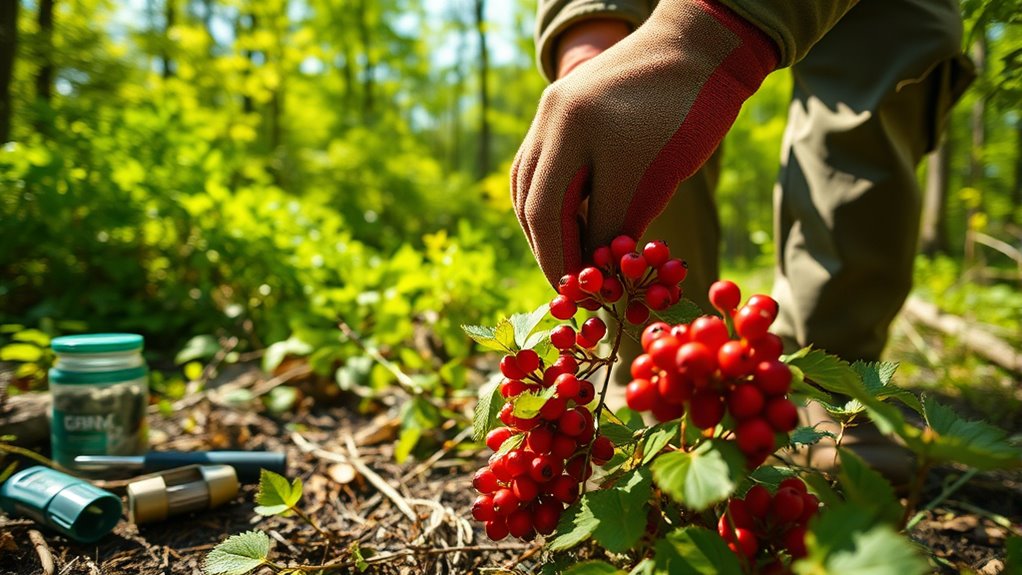
Have you ever considered how foraging can play a role in controlling invasive species? When you take this approach, you’re not just gathering wild edibles—you’re actively supporting native plant restoration and restoring the health of wildlife habitat. Invasive plants often choke out native species, disrupting ecosystems and reducing biodiversity. By carefully foraging these invaders, you help clear the way for native plants to thrive, giving local wildlife the food and shelter they need to flourish. This process puts you in a position of liberation, reclaiming ecosystems from invasive dominance and returning them to their natural balance.
Foraging invasive species helps restore native plants and wildlife habitats.
To succeed, you need a strategic approach. First, identify invasive species safely and accurately. Educate yourself on local invaders—like kudzu, Japanese knotweed, or buckthorn—and learn to distinguish them from native plants. Once you’re confident, harvest these invasives responsibly. Don’t over-harvest; remove only what’s necessary to prevent further spread and damage. Use proper tools and techniques to avoid damaging surrounding native plants. Remember, your goal is to remove invasive growths while fostering an environment where native plants can recover and expand. Additionally, understanding the importance of native plant restoration can help you focus your efforts effectively.
Disposal is a critical part of this process. Never leave invasive plant material in the wild, as it can still spread seeds or roots and cause more harm. Bag and securely contain all invasive debris, and dispose of it according to local regulations—many communities have specific guidelines for invasive plant waste. Composting invasives is generally not recommended unless you’re certain they can’t spread; instead, consider burning or taking them to a designated disposal site. Proper disposal prevents reinfestation and ensures your efforts contribute to healthier ecosystems.
Safety should always be your top priority. Wear gloves, long sleeves, and eye protection to avoid skin irritation, allergic reactions, or accidental contact with toxic plants. Be cautious around thorny or aggressive species, and never attempt to remove invasive plants from difficult or dangerous locations without proper equipment or assistance. If you’re unsure about identification or handling, consult local experts or conservation groups—they can guide you safely and effectively.
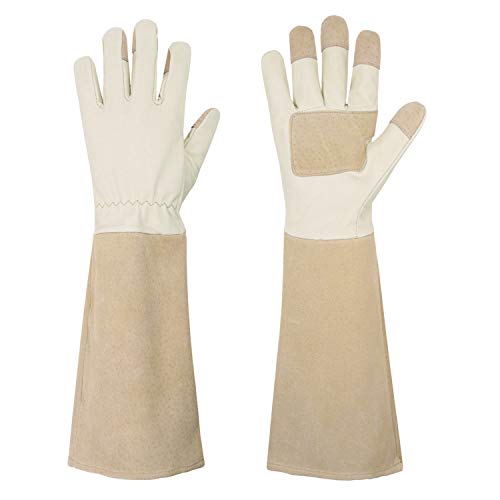
HANDLANDY Rose Pruning Gloves for Men & Women, Long Thorn Proof Gardening Gloves, Breathable Pigskin Leather Gauntlet, Best Garden Gifts & Tools for Gardener
Breathable Gardening Gloves– Pigskin provides the best breathability of all leather gloves due to the hides porous texture,…
As an affiliate, we earn on qualifying purchases.
As an affiliate, we earn on qualifying purchases.
Frequently Asked Questions
Are Invasive Species Removal Methods Eco-Friendly?
Yes, invasive species removal methods can be eco-friendly when you choose strategies like biological controls and minimize chemical treatments. Biological controls use natural predators or competitors, reducing environmental impact. Avoiding harsh chemicals helps protect native plants and wildlife. By carefully planning your approach, you support ecological balance and guarantee your efforts don’t cause further harm, empowering you to effectively restore native ecosystems while safeguarding the environment.
How Can I Distinguish Invasive Plants From Native Ones?
Like a detective uncovering hidden truths, you’ll spot invasive plants by their aggressive traits—rapid growth, prolific seed production, and lack of natural predators—standing in stark contrast to native plant identification. Focus on leaf shape, flower structure, and growth patterns. Liberate your landscape by learning these signs, empowering you to distinguish invasive species swiftly and confidently, ensuring your efforts nurture a balanced, thriving ecosystem free from invasive dominance.
What Tools Are Safest for Invasive Removal?
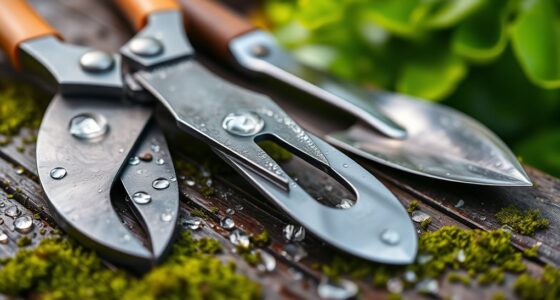
You should use hand tools like pruning shears, loppers, and weed pullers, which give you control and reduce injury risks. Always wear protective gear—gloves, long sleeves, and eye protection—to safeguard yourself from irritants and thorns. These tools and safety measures keep you safe while liberating your landscape from invasive plants. Stay focused, work carefully, and dispose of removed plants properly to prevent regrowth and protect native ecosystems.
Can Invasive Species Be Safely Composted?
You can’t safely compost invasive species because composting risks spreading their seeds or fragments. To guarantee safe disposal, you should avoid composting invasive plants altogether. Instead, opt for methods like burning or bagging and removing them from your site. This approach prevents further spread and preserves native ecosystems. Embrace your role in protecting the environment by choosing safe disposal methods over risky composting practices.
How Do Local Regulations Affect Invasive Removal Efforts?
Local policies considerably impact your invasive removal efforts; you need to follow regulations closely. Check if removal permits are required before you start, as some areas have strict rules to prevent the spread of invasive species. By adhering to these policies, you protect the environment and ensure your efforts are legal. Stay informed about local regulations, obtain necessary permits, and act responsibly to contribute to the liberation of native ecosystems.

MLYENX 7 Pack Long Sleeve Shirts for Men UPF 50+ UV Sun Protection Quick Dry Moisture Wicking Workout Tee Shirts XL
Breathable Comfort: Crafted from premium, moisture-wicking fabric, these long sleeve shirts for men offer excellent moisture-wicking performance; great…
As an affiliate, we earn on qualifying purchases.
As an affiliate, we earn on qualifying purchases.
Conclusion
As you delve into invasive removal foraging, remember that safety, strategy, and proper disposal go hand in hand—like nature’s own balance. It’s funny how sometimes, just when you think you’re gaining control, you discover a new method or tip that makes the process easier and more effective. So, keep going, stay mindful, and embrace the little surprises along the way. After all, every effort you make helps restore the environment you’re so passionate about protecting.

TICONN Anti-Fog Safety Glasses for Men and Women, ANSI Z87.1 Scratch Proof Eye Goggles with Adjustable Arms and UV Protection (Clear, 1PK)
[DURABLE AND LIGHTWEIGHT] Crafted with premium polycarbonate, these safety glasses have exceptional durability and impact resistance while remaining…
As an affiliate, we earn on qualifying purchases.
As an affiliate, we earn on qualifying purchases.

Belit 100 Pcs Plant Nursery Bags, Plastic Seedling Pots Container for Fruit Tree, Flower, Starting saplings, Plant Grow(3.5"x6.6")
【Good Flexibility】High-quality PE seedling bags are good flexibility and not easy to break when pulled. It doesn’t fall…
As an affiliate, we earn on qualifying purchases.
As an affiliate, we earn on qualifying purchases.