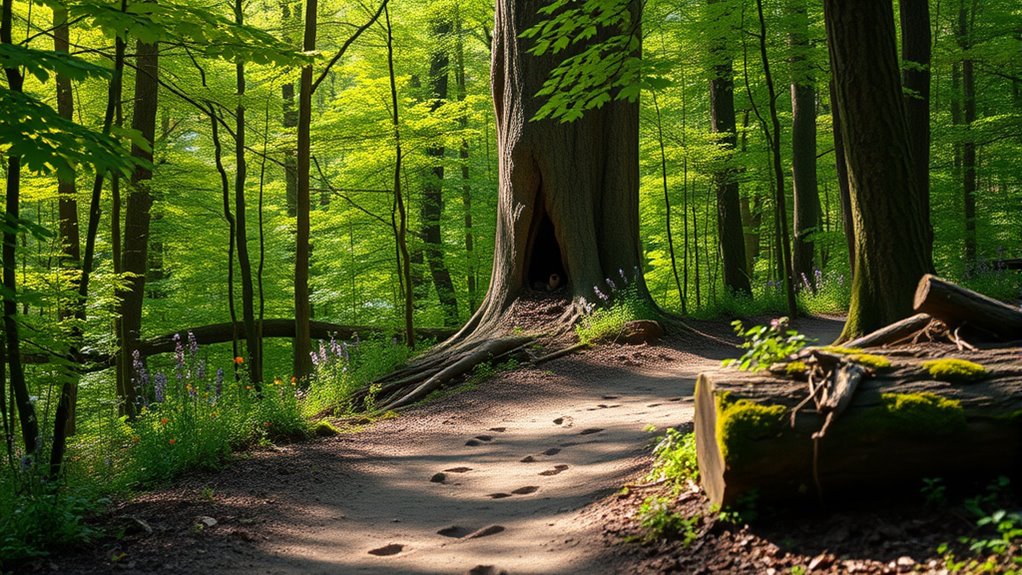

To avoid wildlife conflicts around nesting seasons and den sites, respect and safeguard these critical areas during sensitive times. Avoid disturbing nests or dens, especially during breeding periods, and establish buffer zones or native vegetation barriers. Conduct habitat assessments before land development and adhere to seasonal restrictions. Supporting community efforts and conservation policies helps guarantee animals can thrive without conflict. Keep exploring to learn more ways you can help wildlife coexist peacefully with human activities.
Key Takeaways
- Identify and avoid disturbing nesting and denning sites during peak seasons through habitat assessments.
- Establish buffer zones around critical wildlife habitats to minimize human-wildlife interactions.
- Schedule land development and landscaping activities outside of sensitive nesting and breeding periods.
- Educate communities and workers on wildlife behaviors and the importance of habitat preservation.
- Support policies that restrict habitat destruction during key reproductive seasons to protect wildlife populations.
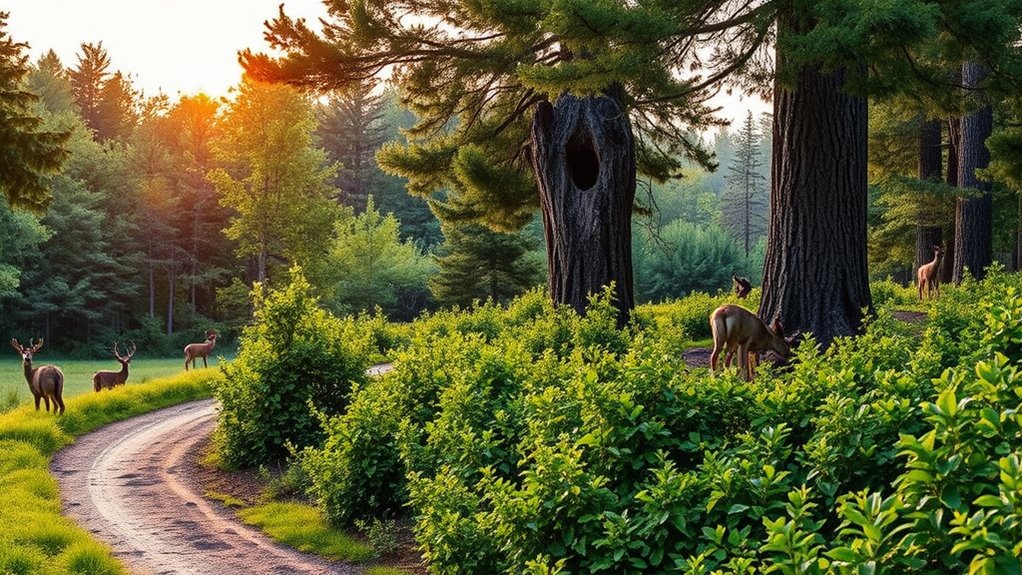
Wildlife conflict prevention is essential for protecting both animals and human communities. As urban areas expand, the delicate balance between development and nature becomes increasingly fragile. You have the power to support efforts that respect wildlife’s nesting seasons and den sites, helping to guarantee these creatures can thrive without interference. Urban encroachment, driven by unchecked growth, threatens natural habitats, forcing animals into smaller spaces and increasing the likelihood of conflict. By actively participating in habitat preservation, you can help create a safer environment for wildlife, reducing the need for drastic interventions later.
Supporting habitat preservation helps protect wildlife and reduces conflicts with expanding urban areas.
When urban development encroaches on natural areas, animals often lose access to vital nesting and denning sites. This loss pushes them into closer contact with human populations, heightening the risk of dangerous encounters. You can help mitigate this by advocating for and supporting land-use policies that prioritize habitat preservation. Protecting key nesting seasons is crucial; during these times, animals are especially vulnerable, and disturbances can cause them to abandon their sites or face reproductive failure. By understanding and respecting these seasonal patterns, you help maintain healthy populations and reduce conflicts.
To foster coexistence, you should be mindful of where and when you build or modify landscapes. If you’re involved in land development or landscaping, consider conducting habitat assessments beforehand. This allows you to identify critical nesting and denning areas, ensuring they remain undisturbed during sensitive periods. Simple measures like establishing buffer zones around known wildlife sites or planting native vegetation can support habitat preservation while allowing human activity to continue safely nearby. These actions not only prevent conflicts but also empower you to be a steward for wildlife liberation.
Furthermore, supporting community initiatives that focus on habitat preservation strengthens your role in conflict prevention. Education campaigns, conservation programs, and local policies that restrict habitat destruction during nesting seasons all serve to protect wildlife’s natural behaviors and life cycles. When you prioritize habitat preservation, you help maintain ecological balance and give animals the space they need to nest and den freely. This approach benefits everyone, fostering a community where humans and wildlife can coexist with mutual respect and minimal conflict.
In essence, preventing wildlife conflicts through mindful urban planning and habitat preservation aligns with your desire for liberation — giving animals the space to live, breed, and flourish unrestrained. By remaining aware of nesting seasons and den sites, and by supporting efforts to preserve natural habitats, you contribute to a future where wildlife isn’t forced into survival mode but is allowed to thrive in harmony with human development. Your proactive stance makes a difference, ensuring that the wild remains a vital part of our shared environment.
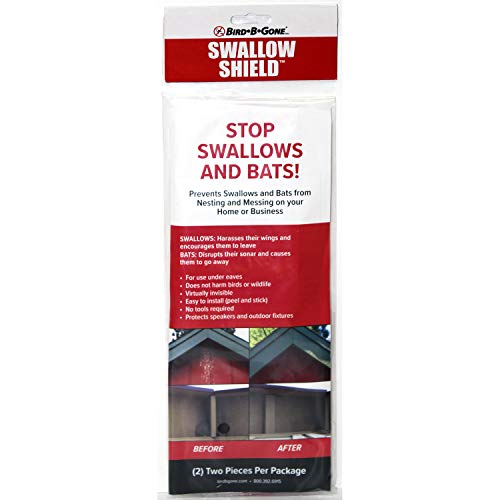
Bird B Gone – Swallow Shield – Transparent 3"x11" Adhesive Strips (2 Pack) – Physical Nesting Prevention for Eaves & Overhangs – Virtually Invisible Protective Barrier – Easy to Install
- Physical Nesting Prevention: Creates a tactile barrier to block nests
- Versatile Application: Suitable for gables, porches, and entryways
- Discreet and Invisible: Clear design maintains property aesthetics
As an affiliate, we earn on qualifying purchases.
As an affiliate, we earn on qualifying purchases.
Frequently Asked Questions
How Can I Identify if a Nesting Site Is Active?
You can tell if a nesting site is active by checking for fresh nesting materials like leaves, twigs, or grass that appear recently added. Look for signs of movement or bird activity nearby, and observe habitat preferences—birds often select quiet, sheltered spots. If you see eggs or chicks, the site is definitely active. Avoid disturbing it to respect wildlife and prevent conflict, all while enjoying your freedom from unwanted visitors.
What Specific Signs Indicate Wildlife Has Moved Into a Den?
You’ll notice fresh tracks, droppings, or chewed vegetation around the den, signaling wildlife has moved in. Bird watchers often spot new feathers or sounds from the habitat, confirming activity. To support habitat preservation and guarantee wildlife’s freedom, avoid disturbing these sites. Respect their space, stay alert for movement, and enjoy observing from a distance. Your awareness helps protect their liberty to live and thrive naturally.
Are There Legal Restrictions on Relocating Wildlife Nests?
You can’t just relocate wildlife nests whenever you want because legal considerations and wildlife protection laws often restrict such actions. While you might crave the freedom to move pesky nests, authorities prioritize protecting animals during sensitive nesting seasons. Ignoring these laws risks fines and harm to wildlife. Embrace the natural cycle, and consider consulting professionals or wildlife agencies to handle nest issues responsibly—because respecting nature is the ultimate liberation.
How Do Seasonal Changes Affect Wildlife Nesting Behaviors?
Seasonal changes drastically influence wildlife nesting behaviors by triggering migration patterns and habitat shifts. As seasons shift, animals instinctively seek new nesting sites or relocate to suitable habitats, ensuring their survival and reproduction. You can witness this movement firsthand, especially during spring and fall, when many species migrate or adjust their nesting locations. Embrace the freedom of observing these natural cycles, and respect their need for space during these crucial periods.
What Are the Best Methods to Coexist Peacefully With Nesting Animals?
You can peacefully coexist with nesting animals by respecting their habitat preservation needs and practicing wildlife observation from a distance. Avoid disturbing nests during breeding seasons, and use binoculars for a closer look. Keep your environment clean, minimize noise, and create buffer zones around nesting sites. This approach allows you to enjoy wildlife’s natural behaviors while supporting their well-being and fostering harmony with nature’s creatures.
Conclusion
By understanding nesting seasons and identifying den sites, you can prevent wildlife conflicts before they start. Think of yourself as a guardian, gently guiding animals away from human spaces, much like a shepherd protects their flock. Stay informed and respectful of their habitats, and you’ll foster harmony between people and wildlife. Remember, your actions can be the bridge that keeps everyone safe—like a steady hand holding back a rushing river.