
TL;DR

Get garden gear delivered free with Prime
- Fast, free delivery on millions of items
- Prime Video, Amazon Music and more included
- Member-only deals all year
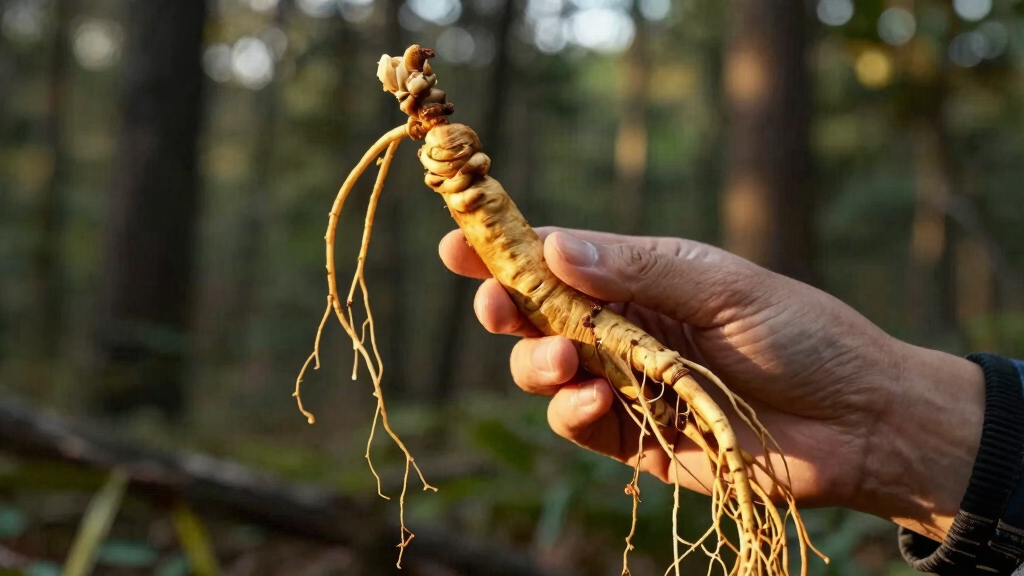
American ginseng is highly valuable, fetching $300-$500 per pound, prompting illegal poaching in protected areas. Authorities are fighting this black market, but enforcement remains challenging. The issue highlights tensions between conservation and local livelihoods.
American ginseng, a plant valued at $300 to $500 per pound, is being illegally harvested in U.S. national parks, driven by its high demand in Asian markets. This illegal activity poses threats to forest ecosystems and conservation efforts, making it a significant concern for authorities and environmentalists.
Confirmed reports indicate that American ginseng roots are highly sought after, with market prices reaching up to $500 per pound. This high value incentivizes poachers, including local residents and repeat offenders like Billy Joe Hurley, who has been convicted multiple times for illegal harvesting from the Great Smoky Mountains National Park. Authorities, including the National Park Service, actively combat ginseng theft using methods such as root dye detection, but enforcement remains difficult due to the remote and vast nature of the forests.
The illegal ginseng trade is fueled by its status as a traditional medicinal plant with historical significance. Native American communities and Appalachian families have long harvested wild ginseng, but overharvesting and habitat loss have increased its scarcity, further elevating its black market value. The illegal harvesting not only threatens the plant’s survival but also impacts the health of forest ecosystems, as ginseng serves as an indicator of habitat quality. Recent arrests and convictions highlight ongoing efforts to curb poaching, but the market’s profitability continues to attract illegal harvesters.
Why It Matters
This issue matters because illegal ginseng harvesting threatens biodiversity and the health of forest ecosystems, which are vital for environmental stability. The high market value creates economic incentives that often outweigh conservation efforts, leading to illegal activities that can deplete wild populations. For local communities, the trade presents a complex challenge: balancing economic needs with environmental sustainability. Additionally, the illegal trade undermines legal harvesting practices and conservation policies, complicating efforts to protect natural resources.
American ginseng root supplement
As an affiliate, we earn on qualifying purchases.
As an affiliate, we earn on qualifying purchases.
Background
American ginseng has been valued for centuries, with historical trade dating back to the 18th century when it was exported to China. The plant’s popularity in traditional medicine has sustained its high market price, which now ranges from $300 to $500 per pound. Habitat destruction and overharvesting have made wild ginseng increasingly scarce, intensifying illegal harvesting activities. The Great Smoky Mountains National Park, established in the 1930s to protect the region’s forests, has become a hotspot for ginseng poaching, with authorities employing various detection methods, including root dyeing, to combat theft. Despite these efforts, the high market value continues to attract poachers, some of whom have long histories of illegal harvesting, like Billy Joe Hurley.
“He’s pretty much thrown the system out the window.”
— Jim Corbin, biologist and enforcement advisor
“Billy Joe is the most notorious. He’s the one everybody knows.”
— Corey Atkins, Hurley’s attorney
What Remains Unclear
It is not yet clear how effective current enforcement strategies will be in significantly reducing poaching, or how market prices may fluctuate in response to conservation efforts and legal crackdowns.
What’s Next
Authorities are expected to continue increasing patrols and employing detection techniques. Legal actions against repeat offenders like Hurley may intensify, and efforts to promote sustainable harvesting and habitat protection are likely to expand. Monitoring market trends and international demand will also influence future enforcement strategies.
Key Questions
Why is American ginseng so valuable?
Its high demand in Asian markets for traditional medicine, combined with its scarcity due to overharvesting and habitat loss, drives prices up to $300-$500 per pound.
Is it legal to harvest ginseng in national parks?
No, it is illegal to harvest ginseng from national parks without proper authorization. Private land harvesting is legal if permitted, but poaching from protected areas is criminal activity.
What are authorities doing to stop ginseng poaching?
They are using methods like root dye detection, increasing patrols, and prosecuting repeat offenders to combat illegal harvesting.
What impact does poaching have on the environment?
Overharvesting threatens wild ginseng populations and disrupts forest ecosystems, as ginseng serves as an indicator of habitat health.
Why do poachers risk illegal harvesting?
The high market value makes ginseng a lucrative but illegal source of income, especially for those with limited economic opportunities in rural areas.
Evergreen bestsellers Picks
bestsellers
As an affiliate, we earn on qualifying purchases.