

Deciding whether to geotag your social media posts depends on your privacy preferences. Geotagging can share your location with followers, increasing exposure to strangers and potential security risks. Disabling tags or restricting who sees your tagged posts helps protect your personal space and prevents misuse of your location data. Making mindful choices about when and where to geotag allows you to stay connected safely. Keep exploring to learn how to balance sharing and privacy effectively.
Key Takeaways
- Geotagging reveals your location, which can compromise privacy and safety if misused.
- Turning off location tags helps protect personal space and prevents location-based exploitation.
- Sharing selectively and using privacy settings controls who can see your tagged spots.
- Non-geotagged posts allow sharing experiences without exposing your real-time location.
- Balancing authentic sharing with privacy awareness empowers safer social media use.
Managing your spot protection on social media has become essential in safeguarding your brand and reputation. In today’s connected world, sharing your location through social media offers freedom and authenticity, but it also comes with significant risks. You’re empowered to showcase your experiences, but you need to be aware of privacy concerns that come with location tagging. When you tag a location, you’re broadcasting where you are, and that information can be exploited if misused. It’s a double-edged sword—on one side, it connects you with friends, followers, and communities; on the other, it exposes details about your whereabouts that could be used maliciously or invade your privacy.
You might feel the urge to share every moment, to show your freedom and spontaneity, but consider what’s at stake. Location tagging can unintentionally reveal patterns—your daily routines, favorite spots, or even when you’re away from home. This information can be mined by anyone with ill intent or lead to targeted advertising that feels invasive rather than liberating. Privacy concerns aren’t just about strangers peeking into your life; they’re about maintaining control over your personal space and boundaries. When you choose to geotag, you’re opening a window into your life, and it’s vital to weigh whether the benefits of sharing outweigh the potential risks.
If you’re serious about protecting your spot, you should take active steps to manage your privacy settings. Most social media platforms allow you to disable location tagging or restrict who can see your tagged locations. By doing so, you preserve your freedom to share experiences without giving away too much. Remember, you’re the one who controls your digital footprint. You don’t have to reveal your exact location every time you post—sometimes, a simple mention without geotagging is enough to share your story while safeguarding your privacy.
Liberation comes when you set boundaries that empower you, not when you surrender your personal space to the whims of social media algorithms or potential threats. Think of location tagging as a tool—powerful but potentially hazardous if misused. Use it selectively, and always stay aware of who can see your posts. Your social media presence should reflect your desire for freedom and authenticity, not vulnerability. Additionally, practicing self-awareness about what you share can help you make more mindful decisions regarding your privacy. By managing your spot protection thoughtfully, you retain control over your identity and environment, embracing the liberating power of social media without sacrificing your privacy or safety.
![Ailun Privacy Screen Protector for iPhone 17e / iPhone 16e / iPhone 14 / iPhone 13 / iPhone 13 Pro [6.1 Inch] 2 Pack Anti Spy Private Tempered Glass Case Friendly [Not for iPhone 16 6.1 Inch]](https://m.media-amazon.com/images/I/41BTcRUr-ZL._SL500_.jpg)
Ailun Privacy Screen Protector for iPhone 17e / iPhone 16e / iPhone 14 / iPhone 13 / iPhone 13 Pro [6.1 Inch] 2 Pack Anti Spy Private Tempered Glass Case Friendly [Not for iPhone 16 6.1 Inch]
[2 Pack] This product includes 2 pack privacy screen protectors.WORKS FOR iPhone 17e/16e/14/iPhone 13/13 Pro 6.1 Inch tempered…
As an affiliate, we earn on qualifying purchases.
As an affiliate, we earn on qualifying purchases.
Frequently Asked Questions
How Can I Disable Geotagging on Different Social Media Platforms?
To disable geotagging, you need to adjust your location settings for each platform. Go to your app’s privacy or settings menu, find the photo privacy or location options, and turn off geotagging. This liberates your photos from unwanted location sharing, giving you control over your privacy. Remember, turning off geotagging helps protect your spot and keeps your location details private whenever you post.
Are There Legal Implications for Sharing Location Data Publicly?
Sharing location data publicly can pose serious legal risks and privacy concerns. You could unintentionally open yourself to legal liabilities or personal privacy breaches. Be mindful of the potential for misuse, malicious monitoring, or even legal action. To protect your peace, pause and ponder before posting. Limit location sharing, lock down privacy settings, and avoid broadcasting your whereabouts. Liberation lies in knowing your rights and controlling your location data.
What Are the Best Practices for Protecting Private Spots Online?
To protect your private spots online, you should be mindful of privacy concerns and control your digital footprints. Always review your social media privacy settings, avoid geotagging sensitive locations, and think twice before sharing details that reveal your routines. Use pseudonyms when possible, and stay informed about platform policies. By actively safeguarding your privacy, you free yourself from unnecessary digital exposure and reclaim control over your personal space.
Can Geotagging Affect Personal Safety or Security?
Think of geotagging as leaving a breadcrumb trail in the woods—easy for others to follow. It can markedly impact your safety, exposing your location and increasing privacy risks. If you crave freedom, skip geotags to protect your privacy and avoid safety concerns. Your personal safety is worth more than a moment of online sharing, so stay vigilant and keep your whereabouts under wraps when needed.
How Do I Remove Existing Location Tags From Past Posts?
To remove existing location tags, you need to edit past posts. Go to each post with a location tag, tap the options or edit button, and then select the option to remove or delete the location. This simple step allows you to reclaim your privacy and take control over your online presence. By editing past posts, you free yourself from unwanted location sharing and enhance your security and personal freedom online.

Bark Phone – Safest Phone for Kids & Teens – Monitor Texts, Social Media, and More – Tamper Proof Parental Controls – GPS Tracking – Unlimited Talk/Text A16
ACTIVATION REQUIRED: After purchase, users will select a monthly data plan. Starter plan: $29/mo. Wi-Fi only: $39/mo. 4GB:…
As an affiliate, we earn on qualifying purchases.
As an affiliate, we earn on qualifying purchases.
Conclusion
Deciding whether to geotag or not boils down to balancing benefits and boundaries. By boldly bypassing public pinpointing, you protect your privacy and peace. But, by sharing smartly, you can showcase your spots without sacrificing security. Stay savvy, scrutinize settings, and stay safe. Remember, your social media stance shapes your security—so choose to be cautious, clever, and confident in your digital dealings. Protect your privacy; promote your passion.

Tracki Pro GPS Tracker for Vehicles – Magnetic Waterproof 4G LTE Car Tracker, Long-Life Battery Up to 7 Months, Unlimited Distance, Smart Alerts, Hidden Tracking Device (Subscription Required)
Compact, Undetectable Vehicle Tracker – Tracki Pro is a small GPS tracker with a strong magnet, hiding easily…
As an affiliate, we earn on qualifying purchases.
As an affiliate, we earn on qualifying purchases.
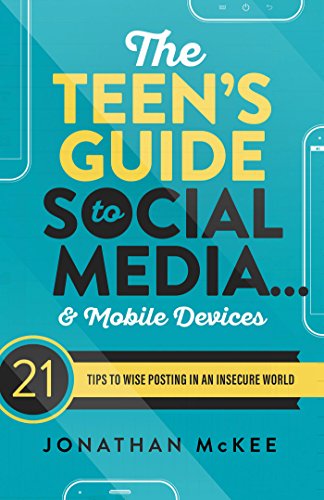
The Teen's Guide to Social Media… & Mobile Devices: 21 Tips to Wise Posting in an Insecure World
As an affiliate, we earn on qualifying purchases.
As an affiliate, we earn on qualifying purchases.