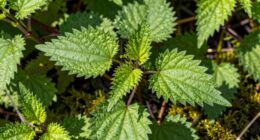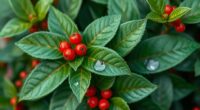
In wildfire recovery areas, foraging can support ecological healing and reconnect you with nature, but you need to be cautious. Soil may contain lingering toxins or heavy metals, especially near structures or industrial sites, so testing the soil or knowing its history is crucial. Focus on native plants that resprout quickly and show resilience, but always seek expert advice or local guidance to guarantee your safety. Keep exploring to learn how to forage wisely amid recovery efforts.
Key Takeaways
- Soil contamination from chemicals and heavy metals can pose health risks; testing is essential before foraging.
- Native plants often recover quickly and are safer to harvest, but proper identification and knowledge are crucial.
- Foraging supports ecological recovery and community healing, symbolizing resilience after wildfire events.
- Not all plants regrow safely; some may absorb toxins, so caution and expert guidance are vital.
- Approaching post-fire foraging with respect and awareness promotes environmental health and personal safety.
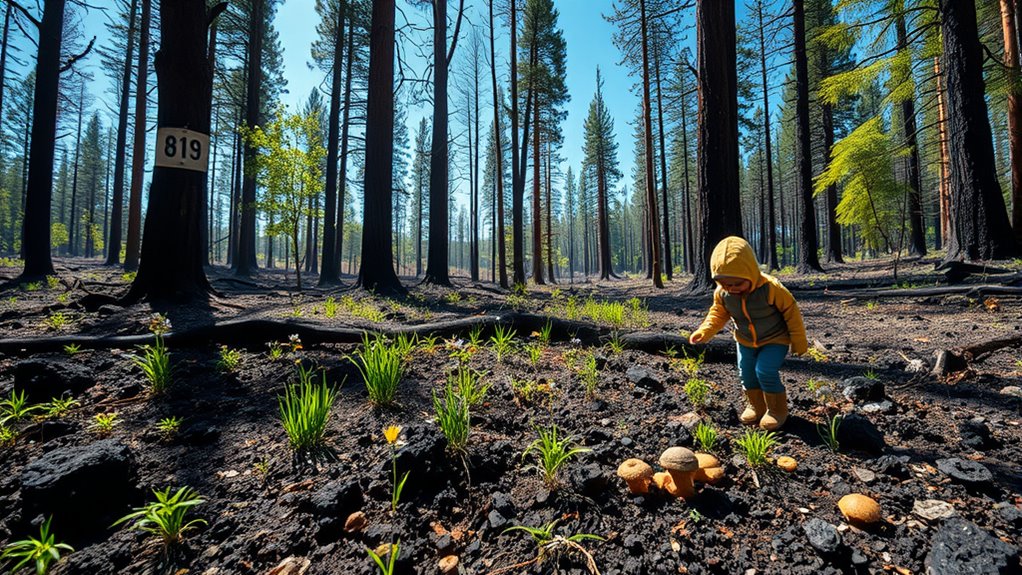
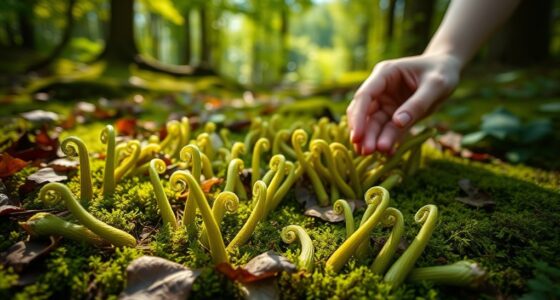
After a wildfire clears, recovery foraging offers a fundamental way to restore both land and community. It’s an act of liberation—taking back control of the land, reconnecting with nature’s resilience, and reclaiming a sense of independence. But before you dive in, it’s essential to understand what’s happening beneath the surface. Soil contamination is a real concern after a fire, especially if nearby structures or industrial sites are involved. Residues of chemicals, heavy metals, or other pollutants can linger in the soil, making foraging risky unless you know what’s safe. While the soil may look clean, unseen toxins can threaten your health and the health of the plants you gather. That’s why it’s crucial to be cautious, seek local testing results, and stay informed about the land’s history. Additionally, understanding soil contamination risks is vital for safe foraging post-wildfire. Nonetheless, nature has a powerful way of bouncing back, especially through native plant resprouting. After a wildfire, many indigenous species begin to resprout from roots or surviving stems, often faster than you might expect. These resilient plants are adapted to recover quickly, providing an essential source of nourishment and restoring ecological balance. As a forager seeking liberation, you’ll find that native plants are not only more likely to be safe but also more resilient in the face of fire. They symbolize a natural resistance, a proof to nature’s strength, and they often carry medicinal, edible, or useful properties that can empower your health and well-being. When considering recovery foraging, it’s empowering to focus on these native species, recognizing their role in rebuilding the landscape and your connection to it. Just remember, not everything that’s growing after a fire is safe to harvest. Some plants may absorb toxins from contaminated soil, or their growth might be affected by the altered environment. It’s vital to educate yourself about which plants are truly resilient and safe, and to approach post-fire foraging with respect and caution. Use your intuition, but back it up with knowledge—consult local experts, participate in community-led recovery efforts, and always prioritize safety. The act of foraging in a recovery area is a form of liberation, a way to reclaim your autonomy over your health and your environment. Embrace this opportunity to nurture yourself and help restore the land, knowing that native plant resprouting offers a beacon of hope and resilience. Your mindful foraging can play a part in healing, both for the community and the ecosystem, turning a post-wildfire landscape into a symbol of renewal and strength.

Heavy Metals in Soil Test by SimpleLab | Includes 9 compounds, Including Lead, Arsenic, and Copper, and Analysis by a Certified Laboratory | at Home Soil Lab Test | Collect Sample at Home
Test Summary: This comprehensive test kit includes 9 heavy metals listed in the EPA 6010/6020 method for soil…
As an affiliate, we earn on qualifying purchases.
As an affiliate, we earn on qualifying purchases.
Frequently Asked Questions
Are All Wild Edible Plants Safe to Forage After a Wildfire?
Not all wild edible plants are safe to forage after a wildfire. You should be cautious because plant toxicity can increase, and soil contamination might make some plants harmful to consume. Wildfire can alter plant chemistry, so it’s important to identify safe species carefully and avoid those that might absorb toxins from burnt soil. Always research thoroughly and consider testing plants if you’re unsure, protecting your health and freedom to forage responsibly.
How Soon Can I Start Foraging in a Wildfire Recovery Area?
Like a phoenix rising, you can start foraging once the smoke clears and the land shows signs of recovery. Usually, it’s safe after fire season timing passes and recovery plant guidelines are followed, typically several months post-fire. Check with local authorities or experts to confirm plants aren’t contaminated or toxic. Patience is your ally in this liberation, allowing nature to heal and offering safe, nourishing bounty for your foraging journey.
What Signs Indicate a Plant Is Contaminated Post-Wildfire?
You’ll notice plant discoloration, such as brown or black spots, which signals possible contamination. Soil contamination can also lead to stunted growth or unusual plant textures. If plants look abnormal or show signs of distress, it’s best to avoid foraging. Wildfire-affected areas can harbor toxins, so trust your instincts—if something seems off, it’s safer to leave it untouched and protect your health and freedom to explore safely.
Are There Specific Species I Should Avoid in Burned Zones?
You should avoid foraging fireweed and invasive species in burned zones because their safety isn’t guaranteed post-wildfire. While fireweed is often safe, recent studies suggest contamination risks, especially near invasive species that can harbor toxins. For your safety and liberation, stick to well-known, uncontaminated plants, and always verify with local experts. Don’t take chances—prioritize your health by steering clear of species that might be unsafe after a fire.
Can Wildlife Influence the Safety of Foraging Areas After a Fire?
Wildlife impact can critically influence foraging safety after a fire. Animals may disturb the soil or leave behind waste, increasing contamination risks. Some species might also attract predators or spread diseases, making the area less safe for foragers like you. To protect yourself, always observe signs of wildlife activity, wash foraged items thoroughly, and avoid areas with obvious animal presence. Stay cautious to guarantee your foraging remains safe and enjoyable.
wildfire native plant identification guide
As an affiliate, we earn on qualifying purchases.
As an affiliate, we earn on qualifying purchases.
Conclusion
So, after all that, it’s kind of ironic, isn’t it? You spend time worrying about lingering toxins and burned land, yet you’re still tempted to forage right after a wildfire. Maybe nature’s resilience is impressive, or maybe it’s just daring you to take a risk. Either way, the wild’s unpredictable comeback means you should think twice—because sometimes, the only thing more dangerous than a fire’s aftermath is rushing in without knowing what’s really safe.

Bulyoou 9 Pcs Mushroom Foraging Kit Includes Hunting Bag, Shroom Knife with Brush, Gloves, 2 Shovel Tools, Sharpener, Waxed Canvas Foraging Bag, Notebook and Compass for Mushroom Lovers Xmas Gifts
Complete Mushroom Foraging Kit: this 9 pcs mushroom foraging kit includes a mesh foraging bag, a waxed canvas…
As an affiliate, we earn on qualifying purchases.
As an affiliate, we earn on qualifying purchases.

Identifying and Harvesting Edible and Medicinal Plants in Wild (and Not So Wild) Places
As an affiliate, we earn on qualifying purchases.
As an affiliate, we earn on qualifying purchases.