
TL;DR

Get garden gear delivered free — and shop member deals
- Fast, free delivery on millions of items
- Access to Prime Big Deal Days deals on October 6–7
- Prime Video, Amazon Music and more included
The Southeastern U.S. is experiencing an unusual surge in wildfires, fueled by long-standing drought, hurricane debris, and climate change. Several states report record-breaking fires, with authorities declaring emergencies. The situation underscores increasing wildfire risks linked to environmental shifts.
Multiple major wildfires are currently burning across the Southeastern United States, with Florida and Georgia experiencing some of their most destructive fires in recent history, driven by prolonged drought and dry vegetation.
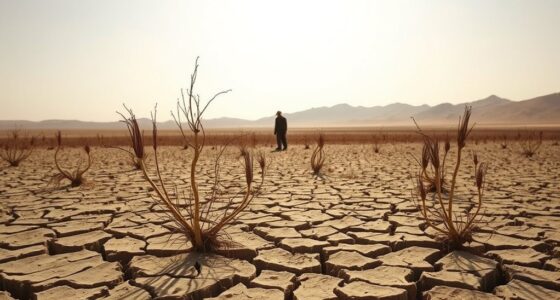
Since January 2026, drought conditions have worsened across the Southeast, drying out vegetation and creating ideal conditions for wildfires. Florida has seen nearly 120,000 acres burned, while Georgia has declared a state of emergency amid fires that have scorched over 50,000 acres, including the most destructive wildfire in the state’s history, according to CBS News and state officials.
The fires are exacerbated by accumulated debris from Hurricane Helene in 2024, which left behind downed trees and branches that remain dry and combustible. Experts note that the combination of drought, hurricane aftermath, and climate change has created a ‘tinderbox’ environment, making the region more vulnerable to large-scale fires even in spring, a period typically less prone to severe wildfires.
Why It Matters
This surge in wildfires highlights the increasing impact of climate change on regional fire risk, with longer, more intense droughts and more unpredictable weather patterns. The fires threaten communities, destroy homes, and strain firefighting resources, emphasizing the need for adaptive management strategies and climate resilience planning.
As an affiliate, we earn on qualifying purchases.
Background
The Southeast traditionally experiences more fires in spring, often related to prescribed burns or small wildfires. However, the current situation is unusual, with widespread unplanned fires fueled by extreme drought and hurricane debris. Past hurricane impacts, such as Hurricane Helene in 2024, have left behind significant fuel loads that continue to pose risks. Climate models predict that such droughts will become more frequent and severe, further increasing fire danger in coming years.
“It’s unusual to see this level of wildfire activity across the Southeast in April. Widespread drought has left fuels extremely dry.”
— Brandon Buckingham, AccuWeather meteorologist
“Drought makes vegetation very dry, increasing fire risk, especially when combined with hurricane debris left in forests from past storms.”
— Lauren Lowman, environmental engineering professor at Wake Forest University
What Remains Unclear
It remains unclear how long the drought conditions will persist or if the fires will intensify further. The effectiveness of firefighting efforts and upcoming weather patterns, such as rain or wind shifts, are still uncertain.
What’s Next
Authorities are monitoring fire activity closely, with firefighting resources mobilized across affected states. Future developments depend on weather conditions, drought progression, and the success of containment efforts. Climate adaptation measures are also under consideration to mitigate future risks.
Key Questions
What caused the recent wildfires in the Southeast?
Prolonged drought, hurricane debris from Hurricane Helene in 2024, and climate change-related conditions have created an environment conducive to large wildfires.
Are these wildfires unusual for the region?
While spring wildfires are common, the current scale and frequency are unusual, driven by extreme drought and accumulated debris, making this a notable event.
What are authorities doing to control the fires?
Firefighting agencies are deploying personnel and equipment, declaring states of emergency, and attempting to contain the blazes despite challenging conditions.
How does climate change influence these wildfires?
Climate change contributes to longer drought periods, more extreme weather swings, and increased vegetation dryness, all of which elevate wildfire risk.
What is the outlook for the fire season in the Southeast?
The outlook suggests ongoing risk due to persistent drought and climate impacts, with potential for more large fires if conditions do not improve.
Fall yard work Picks
leaf blowers
As an affiliate, we earn on qualifying purchases.