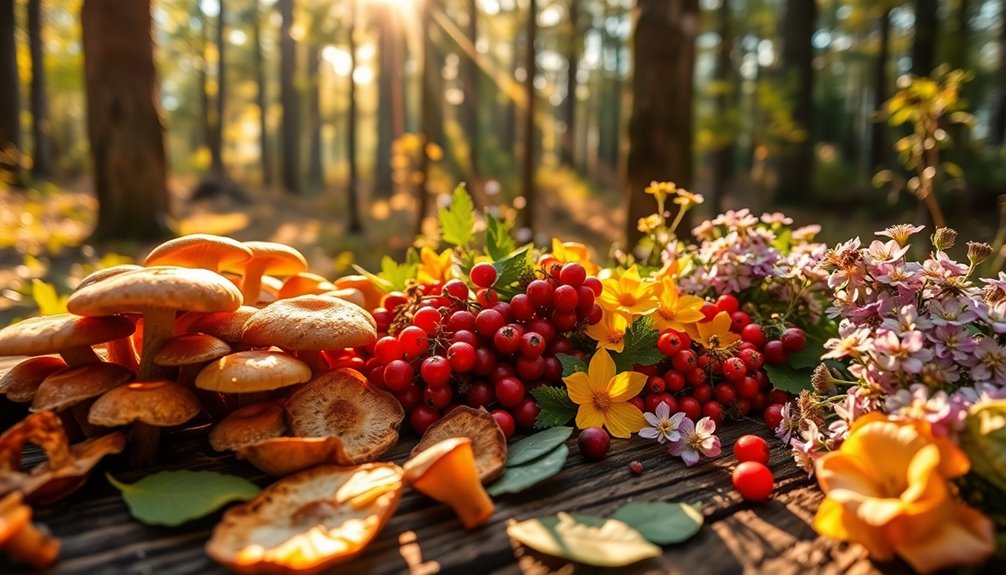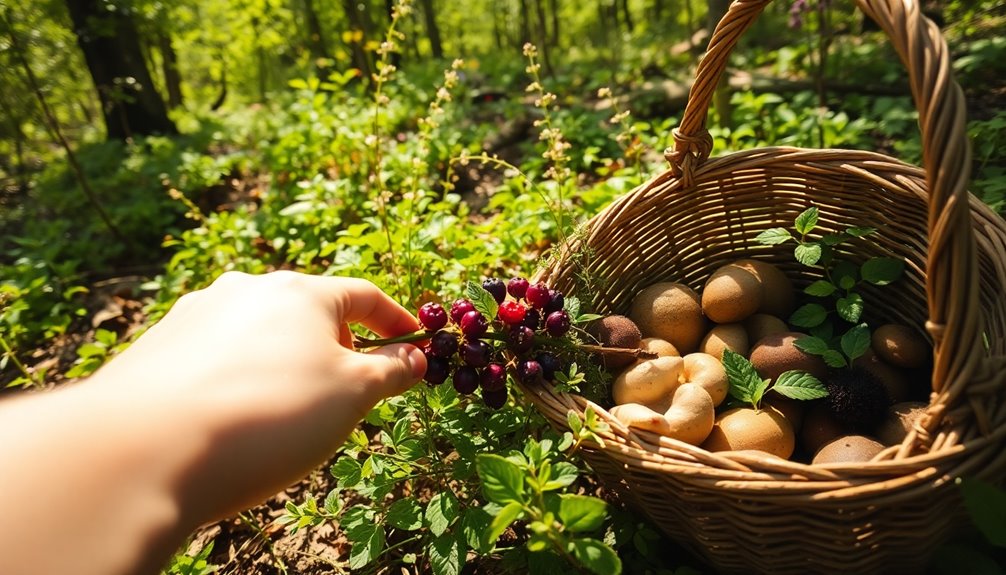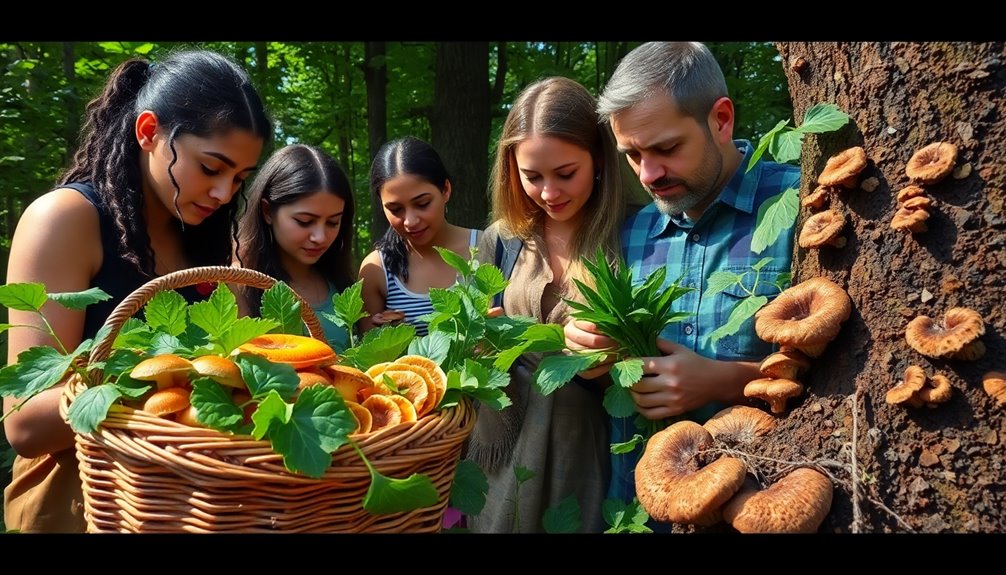

To avoid overharvesting, applying the 1-in-20 rule helps you harvest no more than 5% of a resource at a time, ensuring ecosystems aren’t pushed past their limits. This simple guideline encourages restraint and respect for natural boundaries, supporting sustainable practices that conserve resources for future generations. By making conscious choices and managing resources responsibly, you help maintain ecological balance. Exploring further reveals how adopting these principles can make a lasting impact.

Get garden gear delivered free — and shop member deals
- Fast, free delivery on millions of items
- Access to Prime Big Deal Days deals on October 6–7
- Prime Video, Amazon Music and more included
Key Takeaways
- The 1-in-20 rule recommends harvesting no more than 5% of a resource at a time to promote ecosystem recovery.
- It encourages restraint and respect for natural limits to prevent overexploitation.
- Applying this rule supports sustainable practices that conserve resources for future generations.
- It helps resource managers determine optimal harvesting levels to avoid pushing ecosystems past their breaking points.
- Following the 1-in-20 rule fosters responsible decision-making aligned with ecological balance and resilience.

Have you ever wondered what happens when we take more from nature than it can replenish? The truth is, overharvesting pushes ecosystems to their breaking point, threatening the very resources we depend on for our survival and well-being. If you seek liberation from the cycle of depletion and destruction, understanding the importance of sustainable practices becomes essential. By embracing responsible resource management, you can help ensure that natural systems remain healthy and resilient for generations to come.
Overharvesting isn’t just a matter of greed; it reflects a failure to respect the delicate balance of nature. When you harvest more than what the environment can naturally regenerate, you disrupt this balance, leading to soil degradation, loss of biodiversity, and the collapse of entire ecosystems. This is why adopting sustainable practices is vital. These practices focus on minimizing impact, conserving resources, and maintaining renewable cycles. When you choose sustainable options—such as selective harvesting, reducing waste, or supporting responsible suppliers—you actively participate in preserving the earth’s vitality.
Respect nature’s limits by choosing sustainable practices and supporting responsible resource use to protect our planet’s vitality.
Resource management plays a crucial role here. It’s about knowing when, where, and how much to harvest, ensuring that ecosystems aren’t pushed past their limits. Imagine the power you hold in your hands—every decision you make about consuming, harvesting, or using natural resources impacts the environment. By applying effective resource management strategies, you help prevent overexploitation and foster a healthier planet. This approach encourages a shift away from short-term gains toward long-term sustainability, aligning your actions with the earth’s natural rhythms. Recognizing the limits of renewable resources is fundamental to practicing effective resource management.
The 1-in-20 rule, a simple yet powerful guideline, underscores this concept. It suggests taking no more than 5% of a population or resource at a time—giving space for recovery. When you honor such a principle, you’re practicing restraint and respect, essential for sustainable resource management. It’s about recognizing that nature isn’t an infinite supply; it’s a living system that needs your mindfulness and care. Embracing this mindset liberates you from the destructive cycle of overharvesting, empowering you to be a steward rather than a destroyer.
In essence, avoiding overharvest is a conscious choice rooted in respect for nature’s limits. By integrating sustainable practices and practicing diligent resource management, you contribute to a more equitable and resilient world. Your actions matter—each responsible choice pushes us closer to a future where nature flourishes, and humanity thrives in harmony with the earth. Liberation from the chains of overconsumption begins with awareness and a commitment to nurturing the planet’s precious resources.
Frequently Asked Questions
How Does Climate Change Impact Sustainable Harvesting Practices?
Climate change threatens sustainable harvesting by disrupting ecosystem resilience, making resources more vulnerable. You need to adapt your practices for climate resilience, ensuring ecosystems can recover and sustain essential species. By embracing climate adaptation, you help preserve biodiversity and maintain access to resources. Your proactive approach empowers you to protect nature’s balance, promoting a future where sustainable harvesting supports both the environment and your community’s needs.
What Are Alternative Methods to Prevent Overharvest in Fragile Ecosystems?
Want to protect fragile ecosystems and maintain harvest balance? You can implement rotational harvesting, establish protected areas, and encourage community-based management. These methods boost ecosystem resilience, allowing nature to recover and thrive. By actively involving local communities and respecting natural limits, you free yourself from destructive practices. Isn’t it time you embraced sustainable approaches that empower ecosystems and secure resources for future generations? Together, we can achieve lasting balance.
How Can Community Involvement Improve Conservation Efforts?
Community involvement boosts conservation by harnessing local voices and traditional knowledge, empowering you to protect fragile ecosystems. When you actively engage, you contribute to sustainable practices rooted in cultural wisdom, fostering a sense of ownership and responsibility. Your participation helps create effective policies, ensuring resources are preserved for future generations. By working together, you break free from destructive habits and champion a more liberated, balanced relationship with nature.
Are There Technological Tools to Monitor Harvest Levels Effectively?
Yes, you can use technological tools like harvest tracking systems and data analytics to monitor harvest levels effectively. These tools give you real-time data, helping you make informed decisions and avoid overharvesting. By embracing technology, you empower yourself to manage resources sustainably, ensuring future access and freedom. Stay ahead of overharvest, protect ecosystems, and secure your right to harvest responsibly with these innovative solutions.
What Policies Support Sustainable Resource Management?
You can support sustainable resource management through policies like quota systems that set clear limits, giving you control and freedom over harvest levels. Enforcement strategies, such as regular monitoring and penalties for violations, guarantee these policies work effectively. These frameworks empower you to harvest responsibly while safeguarding resources for future generations, fostering a balanced relationship with nature and promoting long-term ecological health.
Conclusion
By embracing the 1-in-20 rule, you become a guardian of the natural world, ensuring its beauty endures for generations. Think of it as a delicate dance—every harvest carefully balanced, every decision echoing in the future. If you ignore this rule, you risk silencing the song of our ecosystems forever. So, take action now; protect what’s precious, because the true cost of overharvest isn’t just loss, it’s the silent, permanent absence of nature’s wonder.
Fall Picks
fall essentials
As an affiliate, we earn on qualifying purchases.